Tommy Orange
1
Books ReviewedAsk LuvemBooks about Tommy Orange
- Where should I start?
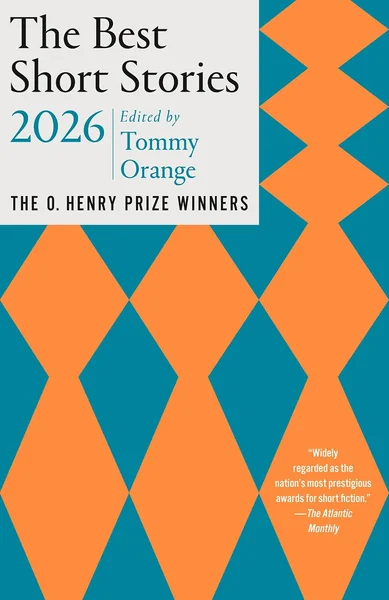
- The only book by Tommy Orange we've reviewed is The Best Short Stories 2026: The O. Henry Prize Winners, so it's the natural starting point on LuvemBooks. As editor, he chose twenty prizewinning stories from thousands published in magazines over the prior year, featuring both celebrated names and emerging voices from an international roster. If you want a survey of what he considers the best short fiction being written today, this is the place to begin.
- What's their writing style?
- In the book we've reviewed, Tommy Orange appears as an editor rather than an author, so what we can speak to is his curatorial taste: he selected twenty stories from thousands of magazine submissions, favoring a mix of celebrated names and emerging voices from an international roster. Series editor Jenny Minton Quigley's introduction, as quoted by Literary Hub, calls the resulting collection 'truly genius.' His broader profile — an MFA-trained writer who teaches at the Institute of American Indian Arts — suggests a deep engagement with the craft of short fiction.
- Books we've reviewed
- We've reviewed 1 book by Tommy Orange. The Best Short Stories 2026: The O. Henry Prize Winners, which he edited with series editor Jenny Minton Quigley, gathers twenty prizewinning stories selected from thousands published in magazines over the prior year, from an international roster spanning celebrated names and emerging voices.
- What genre do they write?
- On LuvemBooks, the one Tommy Orange title we've reviewed falls under Short Stories: The Best Short Stories 2026: The O. Henry Prize Winners, an anthology of twenty prizewinning magazine stories he selected as editor. His own best-known work, There There, is a novel. His writing life is rooted in literary fiction, backed by an MFA from the Institute of American Indian Arts, where he also teaches.
- What should I read after The Best Short Stories 2026?
- The natural next step is Tommy Orange's own fiction: his debut novel There There (2018), a Pulitzer Prize finalist that won the American Book Award. It's the work that established his reputation and earned him a MacArthur Fellowship in 2025. Note that while There There is mentioned in his bio here, our review coverage on LuvemBooks currently extends only to the anthology he edited.
Who is Tommy Orange?
Follow up
Synthesized from verified book data & published reviews · How we review
Press Enter to ask. Answers come from our editorial Q&A — start typing to see related questions.
Authors Like Tommy Orange
Ernest Hemingway
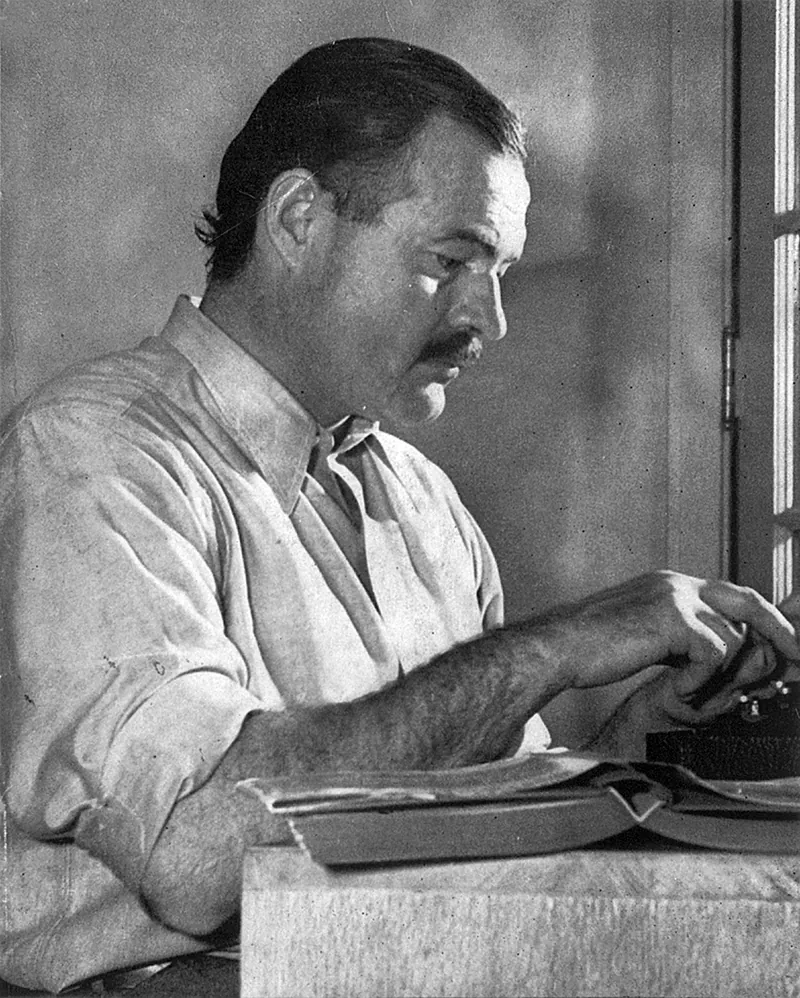
Born in Oak Park, Illinois in 1899, **Ernest Hemingway** became one of America's most celebrated and influential writers, transforming both literature and the public's perception of what it meant to be an author.
2 books reviewed

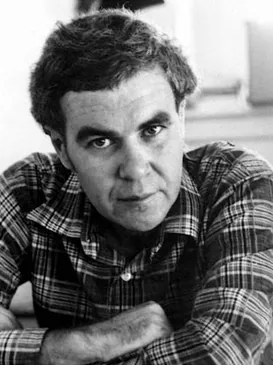
Raymond Carver
Raymond Clevie Carver Jr.
1 book reviewed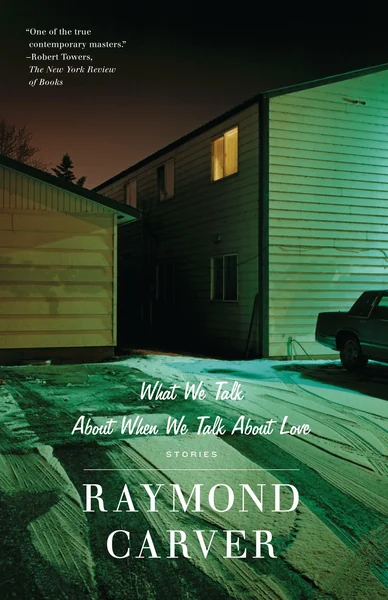

Elizabeth Strout
Elizabeth Strout is an American novelist and author.
4 books reviewed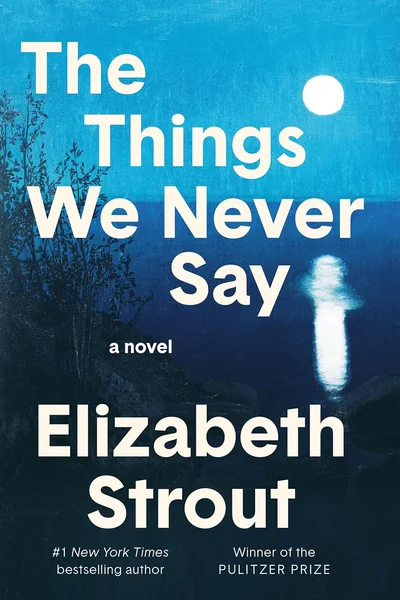
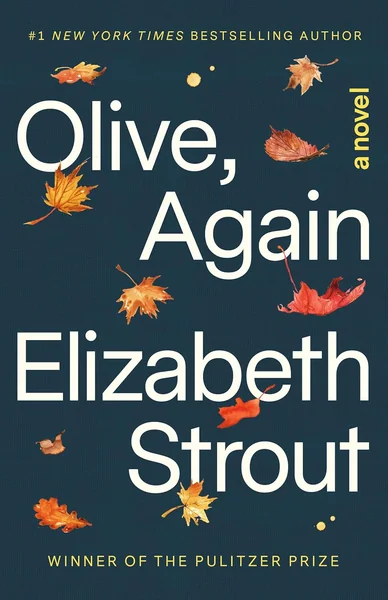
John Steinbeck
John Ernst Steinbeck was an American writer and novelist.
2 books reviewed
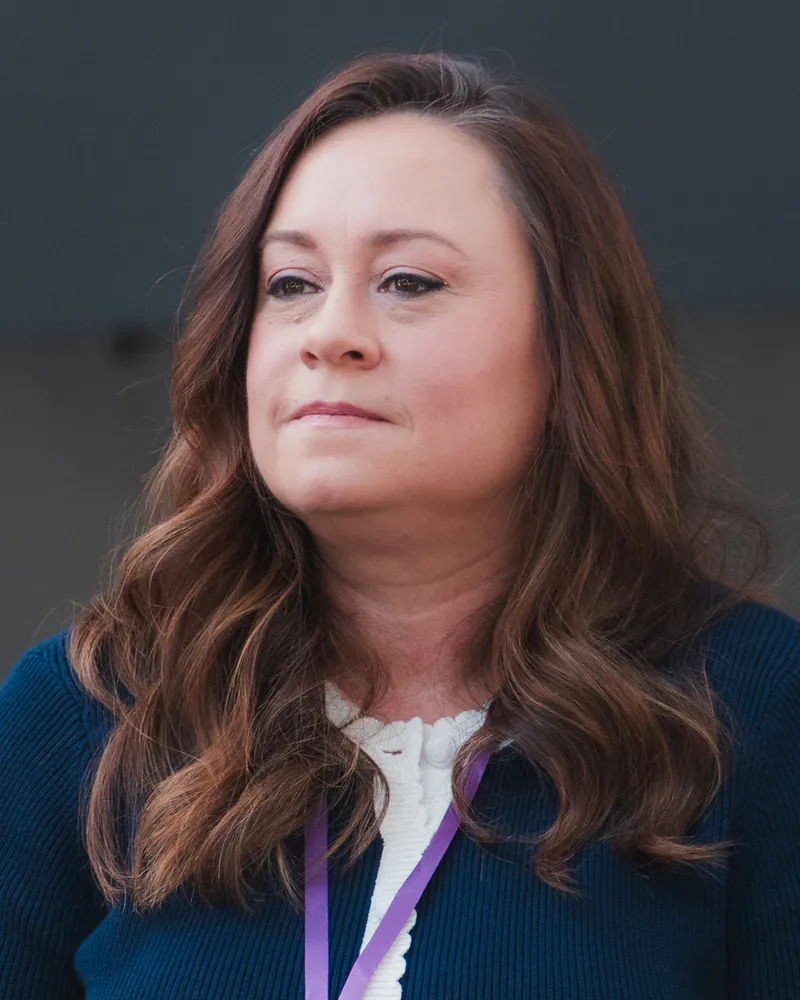
Shelby Van Pelt
Shelby Van Pelt is the author of *Remarkably Bright Creatures*, a women's fiction novel that follows a widow navigating life after loss while uncovering secrets about her late husband. The book blends humor, heart, and mystery as its protagonist discovers
1 book reviewed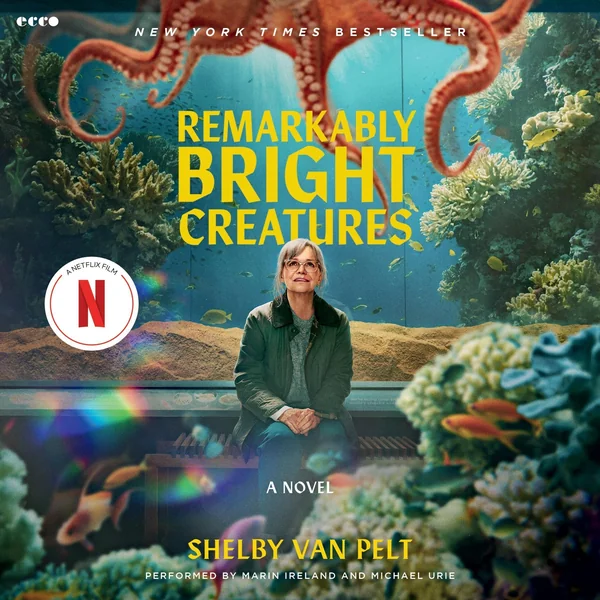
Harper Lee