P
Peter Hollins
Peter Hollins is a bestselling author and researcher specializing in human psychology and behavior. He holds a BS and an MA in psychology and has worked with a wide range of people from all walks of life. A dedicated student of the human condition, his writing focuses on decision-making, cognitive biases, and human behavior, aiming to provide readers with practical insights and tools for self-improvement.
On LuvemBooks, we've reviewed How to Trick Yourself Into Doing Things You Hate.
1
Books Reviewed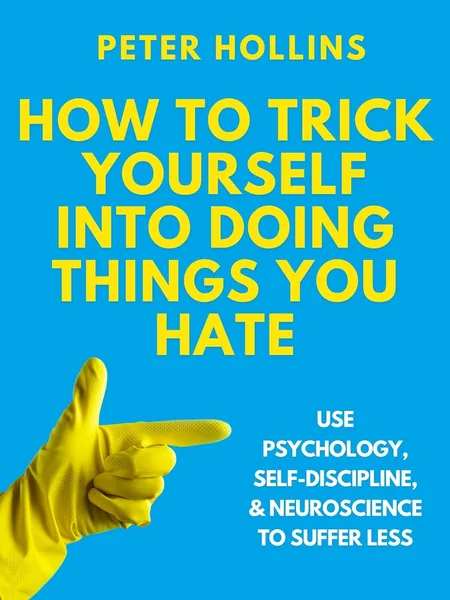
Ask LuvemBooks
Press Enter to ask. Answers come from our editorial Q&A — start typing to see related questions.
Authors Like Peter Hollins
James Clear
Science & Nature
Self-Help & Personal Development
James Clear's Atomic Habits complements Peter Hollins's behavioral focus by dismantling the motivation myth and showing how tiny system changes beat willpower.
1 book reviewed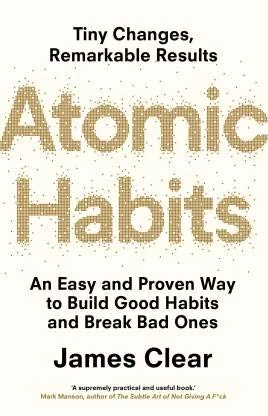

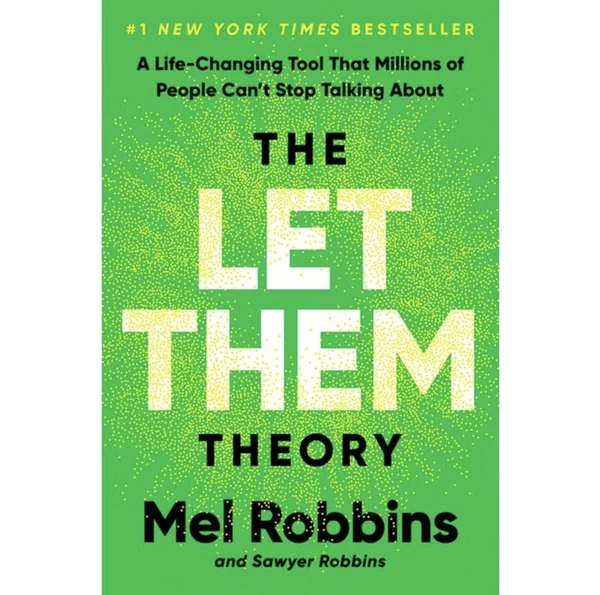
Mel Robbins
Science & Nature
Self-Help & Personal Development
Mel Robbins’s The Let Them Theory offers another angle on getting unstuck, using a simple rule to short-circuit overthinking and reclaim energy for action.
2 books reviewed
A
Admiral William H. McRaven
Self-Help & Personal Development
In Make Your Bed, Admiral William H. McRaven delivers a 'start small, build momentum' self-improvement message through gripping real-world stories from his Navy SEAL career.
1 book reviewed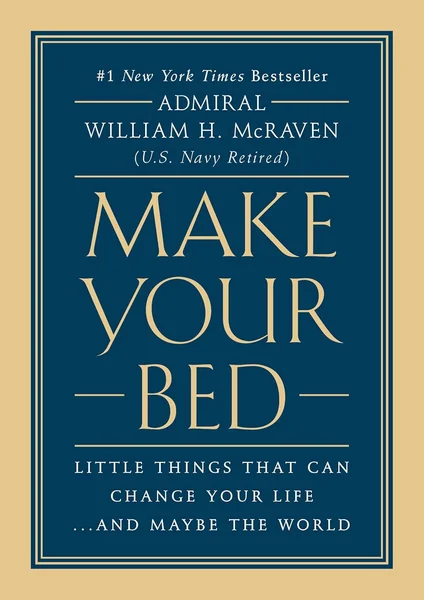
B
Brianna Wiest
Self-Help & Personal Development
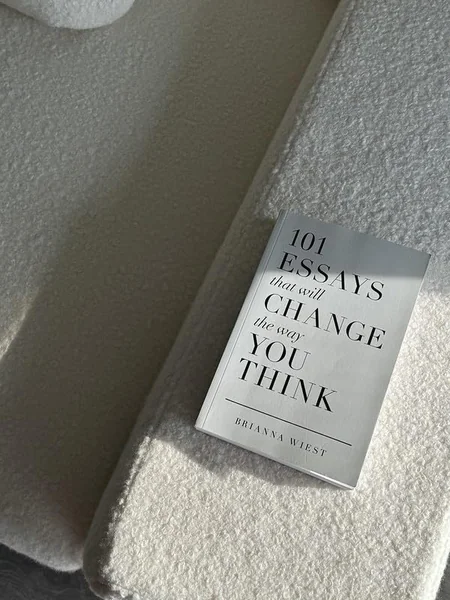
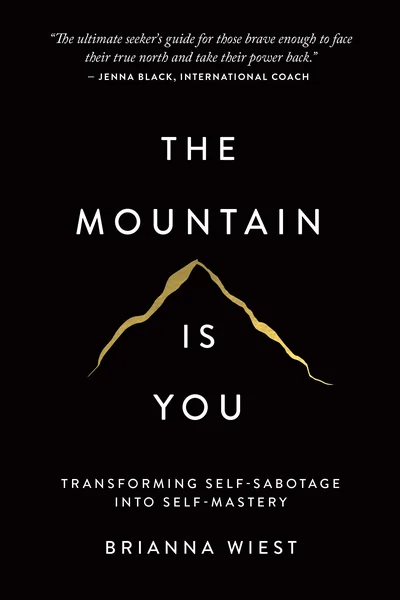
Brianna Wiest’s The Mountain Is You complements Peter Hollins’s psychological insights by exploring self-sabotage at its root, examining why we unconsciously block our own progress.
3 books reviewed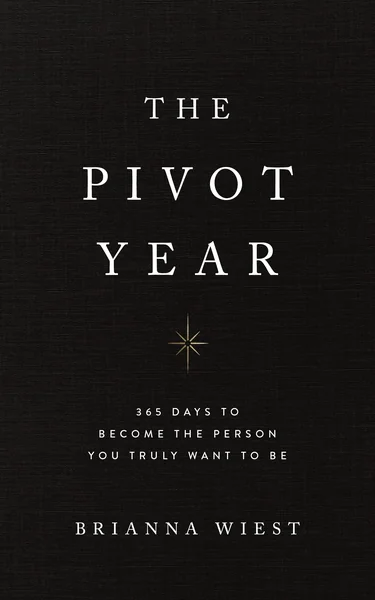

Stephen R. Covey
Self-Help & Personal Development
Stephen R. Covey’s The 7 Habits of Highly Effective People provides proactivity and prioritization frameworks that complement Peter Hollins's psychological tactics for self-discipline.
1 book reviewed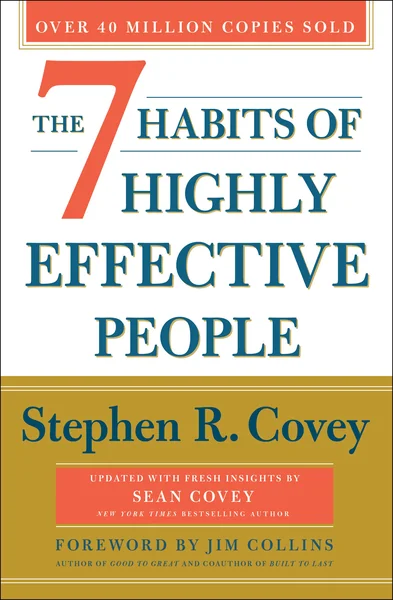
N
Nick Trenton
Self-Help & Personal Development
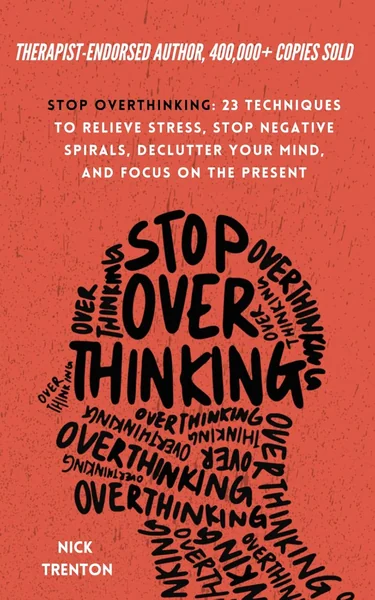
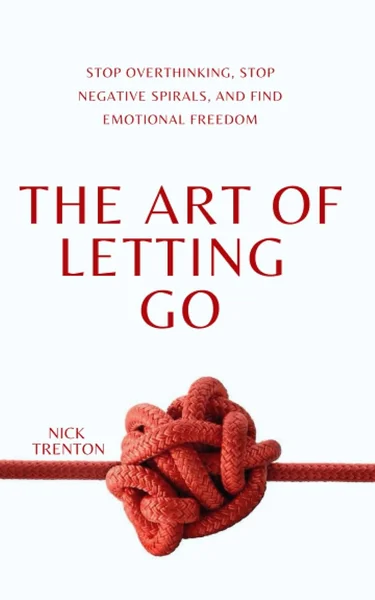
Nick Trenton's Stop Overthinking targets the cognitive loops that delay action, mirroring Peter Hollins's structured, psychology-backed approach to breaking inertia.
2 books reviewed