J.L. Collins
1
Books ReviewedAsk LuvemBooks about J.L. Collins
- Where should I start?
- Start with The Simple Path to Wealth — it is Collins' most complete statement of his investment philosophy, consolidating the blog's Stock Series into a single readable volume. It requires no prior financial knowledge and is structured so that even readers who are skeptical of investing can follow the argument from first principles. With a reader rating of 4.7/5 from over 16,000 Amazon ratings, it has clearly connected with a very wide audience.
- What's their writing style?
- Collins writes in a conversational, first-person voice that deliberately strips away the hedging and complexity typical of personal finance writing. He makes strong, direct recommendations rather than presenting endless caveats, and he is unusually transparent about his own financial decisions and mistakes. The tone throughout The Simple Path to Wealth reads less like a textbook and more like advice from a financially experienced friend who has no product to sell you.
- Books we've reviewed
- We have reviewed one J.L. Collins title on LuvemBooks: The Simple Path to Wealth, his flagship guide to financial independence through low-cost index fund investing, which carries a reader rating of 4.7/5 from over 16,000 Amazon ratings.
- What genre do they write?
- Collins writes in the Business & Economics genre, specifically personal finance. His work sits within the sub-niche of financial independence literature, focused on long-term investing strategy rather than budgeting, debt management, or wealth-building through entrepreneurship. Readers who enjoy authors like John Bogle or William Bernstein on the investing side, or Mr. Money Mustache on the FIRE lifestyle side, tend to find Collins' work a natural fit.
- What should I read after The Simple Path to Wealth?
- Collins' own Pathfinders is the most direct follow-on, offering real stories from people who put the principles of The Simple Path to Wealth into practice across a range of life situations. If you want to go deeper into the investing philosophy underpinning the book, the Stock Series on Collins' blog covers many of the same ideas in more detail and with more nuance on edge cases. For broader context on index fund investing, John Bogle's The Little Book of Common Sense Investing covers similar ground from the perspective of the person who created the index fund.
Who is J.L. Collins?
Follow up
Synthesized from verified book data & published reviews · How we review
Press Enter to ask. Answers come from our editorial Q&A — start typing to see related questions.

Authors Like J.L. Collins

Carol S. Dweck
Carol S. Dweck, Ph.D., is an American psychologist and author best known for her research on mindset, motivation, and success. She coined the term "growth mindset" and brought it mainstream with her 2006 book *Mindset: The New Psychology of Success*. She has held professorships at Columbia and Harvard Universities, has lectured worldwide, and is married to David Goldman, a national theatre director and founder of the National Center for New Plays at Stanford.
1 book reviewed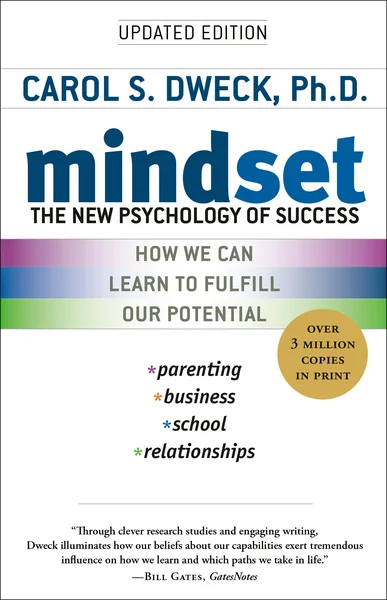

Adam Smith
Adam Smith was a Scottish economist and philosopher who was a pioneer in the field of political economy and key figure during the Scottish Enlightenment.
1 book reviewed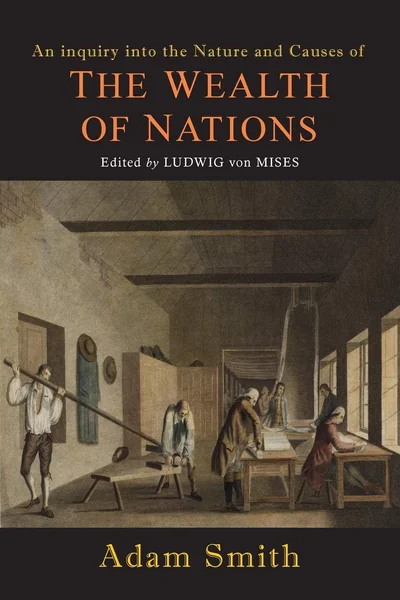

Stephen R. Covey
Stephen Richards Covey was an American educator, author, businessman, and speaker.
1 book reviewed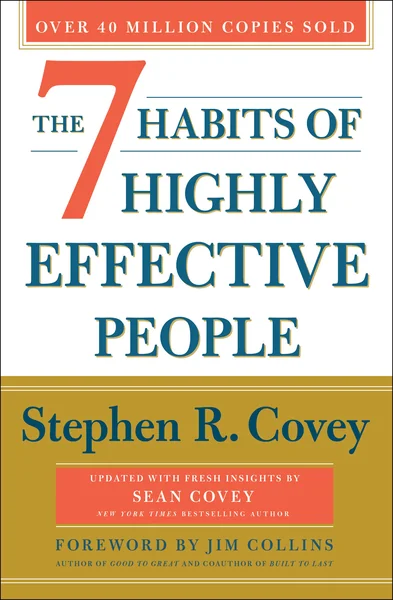

Daron Acemoglu
Kamer Daron Acemoğlu is a Turkish-American economist of Armenian descent who has taught at the Massachusetts Institute of Technology since 1993, where he is currently the Elizabeth and James Killian Professor of Economics, and was named an Institute Professor at MIT in 2019.
1 book reviewed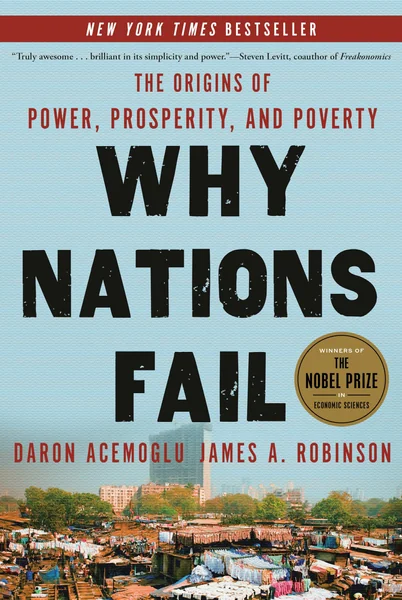

James A. Robinson
James Alan Robinson is a British-American economist and political scientist.
1 book reviewed
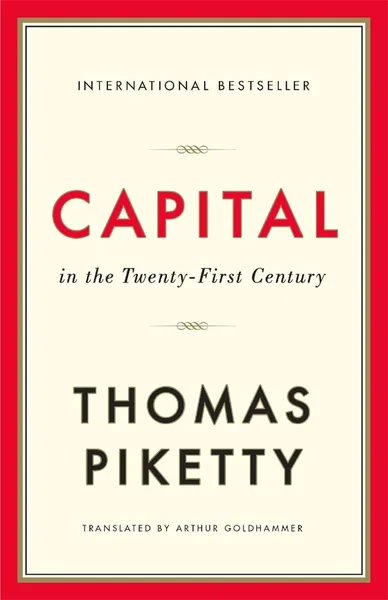
Thomas Piketty
Thomas Piketty is a French economist who is a professor of economics at the School for Advanced Studies in the Social Sciences, associate chair at the Paris School of Economics (PSE) and Centennial Professor of Economics in the International Inequalities Institute at the London School of Economics (LSE)..
1 book reviewed