
Dr. Hussam Atef Elkhatib
1
Books Reviewed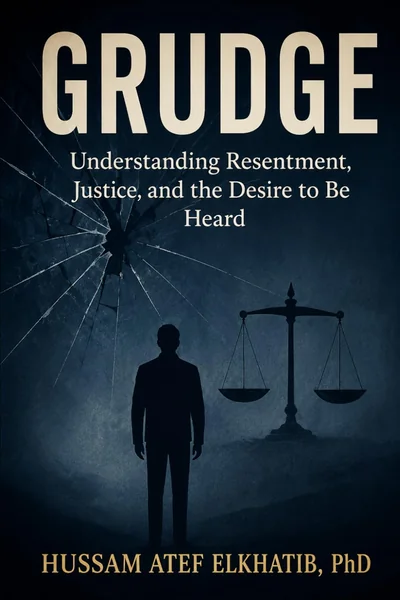
Ask LuvemBooks about Dr. Hussam Atef Elkhatib
- Where should I start?
- Start with Grudge: Understanding Resentment, Justice, and the Desire to Be Heard — it's the only book of theirs we've reviewed, and at 117 pages it's a quick, low-commitment introduction to their ideas. Its strongest feature is the justice-and-being-heard framing of why people hold onto emotional pain, though the short length limits how deep the analysis goes.
- What's their writing style?
- Based on Grudge, Dr. Hussam Atef Elkhatib writes in a reflective, research-and-observation-informed mode typical of idea-driven nonfiction. Rather than treating resentment as simple bitterness, they reframe it around justice and the desire to be heard — a conceptual, reframing-first approach to a familiar emotional topic. The book is compact, so the style favors a focused argument over exhaustive analysis.
- Books we've reviewed
- We've reviewed 1 book by Dr. Hussam Atef Elkhatib. Grudge: Understanding Resentment, Justice, and the Desire to Be Heard is a short, independently published self-help book about why people hold onto emotional pain — its justice-and-being-heard framing is its strongest asset, though at 117 pages its depth is limited.
- What genre do they write?
- Dr. Hussam Atef Elkhatib writes nonfiction, and the book we've reviewed — Grudge: Understanding Resentment, Justice, and the Desire to Be Heard — falls in the Psychology genre. More specifically, it sits in self-help territory, dealing with why people hold onto emotional pain and how resentment connects to justice and the need to be heard.
- What is Grudge about?
- Grudge: Understanding Resentment, Justice, and the Desire to Be Heard explores why people hold onto emotional pain. Its central idea connects resentment to a sense of justice and the desire to be heard — the framing our review found strongest. At 117 pages, it's a concise, independently published self-help book, with the trade-off that depth is limited and its practical value is untested.
Who is Dr. Hussam Atef Elkhatib?
Follow up
Synthesized from verified book data & published reviews · How we review
Press Enter to ask. Answers come from our editorial Q&A — start typing to see related questions.
Authors Like Dr. Hussam Atef Elkhatib

Kristin Neff
Kristin Neff, Ph.D., is an Associate Professor of Educational Psychology at the University of Texas at Austin and a pioneer in self-compassion research, having conducted the first empirical studies in the field. She is the author of Self-Compassion: The Proven Power of Being Kind to Yourself (William Morrow, 2011) and co-founded the nonprofit Center for Mindful Self-Compassion (CMSC).
1 book reviewed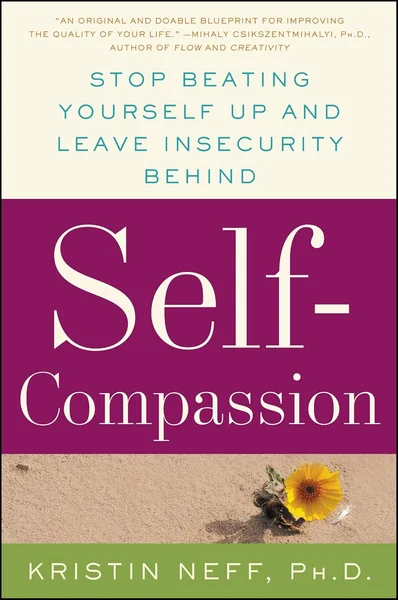
Joseph Burgo
Joseph Burgo, PhD, has practiced psychotherapy for more than thirty years, holding licenses as a marriage and family therapist and clinical psychologist. He earned his undergraduate degree in English Literature at UCLA. He began writing fiction at age 12, published his first fantasy novel at 23, and is also the author of Why Do I Do That? (2012) and The Narcissist You Know (2015).
1 book reviewed
Charles Duhigg
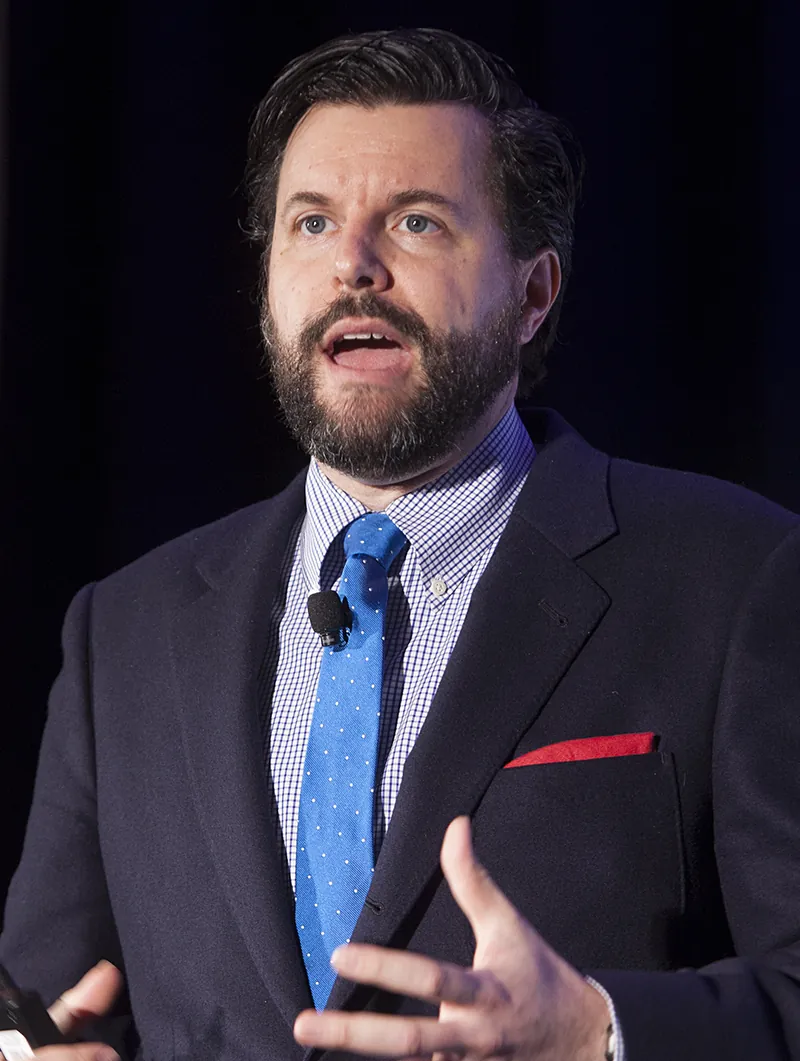
Charles Duhigg is an American journalist and non-fiction author.
1 book reviewed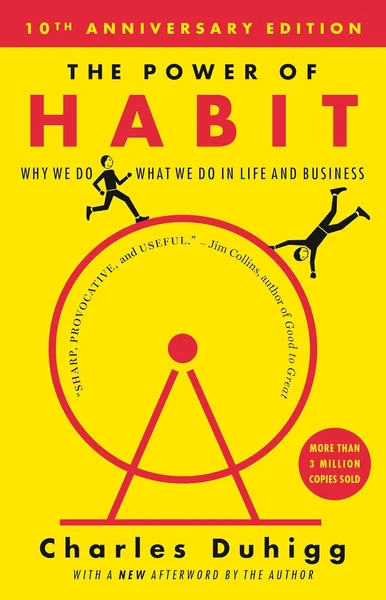
Gary John Bishop
Gary John Bishop is a New York Times bestselling author and personal development expert originally from Glasgow, Scotland, who started out as a musician. He is best known for *Unfu*k Yourself*, an international bestseller, and has helped athletes, celebrities, and Fortune 500 executives reframe their mindsets through his straight-talking, no-nonsense approach to personal growth.
1 book reviewed

Adam Grant
Adam M. Grant is an American popular science author, and professor at the Wharton School of the University of Pennsylvania specializing in organizational psychology.
1 book reviewed
Mark Wolynn
Mark Wolynn is the founder and director of the Family Constellation Institute in San Francisco and a leading expert on inherited family trauma. He is the author of the international bestseller *It Didn't Start With You: How Inherited Family Trauma Shapes Who We Are and How to End the Cycle*. He has taught at the University of Pittsburgh, the Western Psychiatric Institute, Kripalu, and the Omega Institute, among other institutions.
1 book reviewed