Adventures in Comic Misfortune
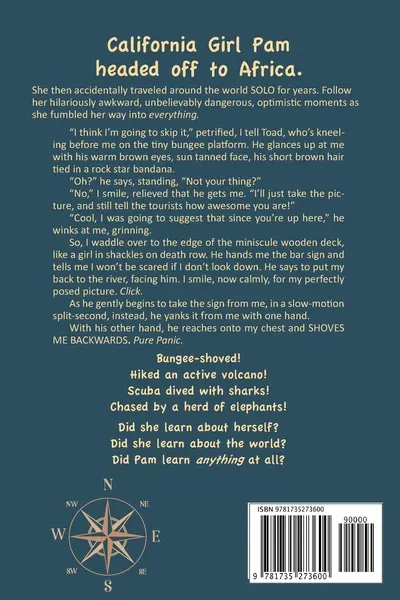
Jones structures her memoir around a series of travel escapades, each more absurdly challenging than the last. Her narrative voice strikes that delicate balance between self-aware and genuinely surprised by her own capacity for finding trouble in paradise. The author has a gift for transforming moments of genuine frustration—missed connections, language barriers, accommodation disasters—into comedy gold without diminishing their real-world impact.
The writing style is conversational and immediate, making readers feel like they're hearing these stories over drinks with a particularly entertaining friend. Jones doesn't shy away from her own role in creating chaos, which gives the memoir an authentic quality often missing from more polished travel writing. Her comedic timing translates well to the page, with punchlines that land effectively even in written form.
The Comedy Craft Behind the Chaos
What sets this memoir apart from standard travel disaster narratives is Jones's understanding of comedic structure. She builds tension through seemingly minor inconveniences that snowball into major catastrophes, then releases that tension with perfectly timed observations or reactions. The humor never feels forced or manufactured—it emerges naturally from the genuine absurdity of her experiences.
Jones demonstrates particular skill in describing cultural misunderstandings and communication breakdowns without ever mocking the places or people she encounters. The comedy stems from her own fish-out-of-water reactions rather than stereotypical observations about foreign cultures. This respectful approach to travel humor makes the book far more palatable than travel memoirs that rely on cultural superiority for laughs.
When Wanderlust Meets Reality
The memoir's strength lies in its honest portrayal of travel's less Instagram-worthy moments. Jones tackles the gap between travel expectations and reality with sharp wit, acknowledging the privilege inherent in leisure travel while still allowing herself to complain about uncomfortable situations. For readers who've experienced their own travel disasters, the book offers both validation and perspective—proof that everyone's vacation horror stories pale in comparison to true professional-level travel chaos.
However, the episodic structure occasionally works against narrative momentum. Some adventures feel more substantial and engaging than others, creating an uneven reading experience. The funniest chapters are genuinely hilarious, while weaker sections feel like filler between the main attractions.
The Limitations of Lightheartedness
Where the book falls short is in emotional depth. While Jones excels at surface-level comedy, she rarely explores the deeper implications of her experiences or what they reveal about herself as a person or traveler. Readers seeking the personal growth arc common to many travel memoirs may find themselves wanting more introspection alongside the entertainment.
The comedy occasionally feels repetitive, with similar types of mishaps generating similar types of responses. The formula becomes predictable: setup disaster, describe escalating complications, deliver self-deprecating punchline, move to next adventure. While the formula works, it doesn't evolve much throughout the book.
Additionally, some readers may find the relentless positivity exhausting. Even the worst situations get the comedic treatment, which, while impressive from a resilience standpoint, sometimes prevents genuine emotional connection with the author's experiences.
Perfect for Armchair Adventurers
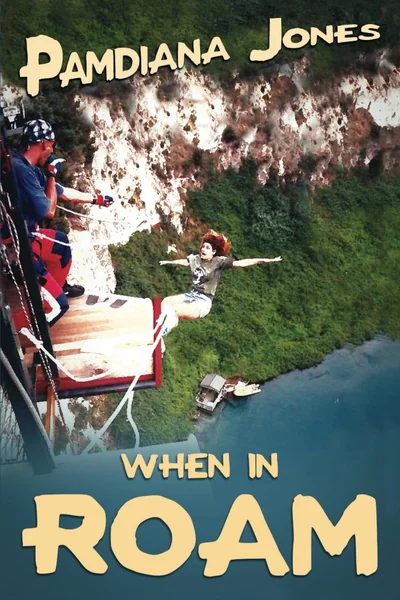
When in ROAM is ideal for readers who love travel but appreciate the honesty that not every journey leads to enlightenment—sometimes it just leads to great stories. The book works particularly well for anyone who's experienced their own travel disasters and wants to feel better about their vacation planning skills. Jones's adventures make most people's worst travel days seem manageable by comparison.
The memoir is also perfect for readers seeking light, episodic entertainment rather than deep literary exploration. Each chapter functions almost as a standalone story, making it easy to read in short bursts—ironically perfect for actual travel reading, assuming your own trip is going more smoothly than Jones's adventures.
While it may not revolutionize the travel memoir genre, When in ROAM succeeds at its primary goal: entertaining readers with proof that travel disasters make the best stories, especially when filtered through a generous sense of humor about life's beautiful unpredictability.