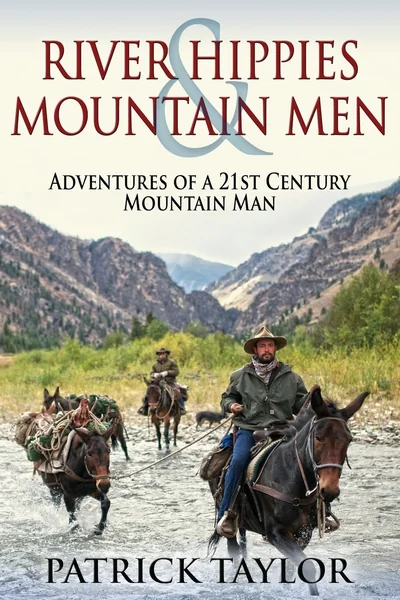
Is River Hippies & Mountain Men worth reading? Patrick Taylor's collection of real-life adventures promises the kind of wild Texas stories that make you question whether truth really is stranger than fiction. This book delivers exactly what its quirky title suggests: a rollicking journey through the Lone Star State's most colorful characters and their outrageous exploits.
The cover design captures the book's adventurous spirit perfectly, hinting at the blend of humor and genuine wilderness storytelling that awaits readers. For fans of A Walk in the Woods by Bill Bryson or Wild by Cheryl Strayed, Patrick Taylor's approach offers a distinctly Texan flavor to the outdoor adventure memoir genre.
Adventures That Feel Larger Than Life
Patrick Taylor structures his narrative around encounters with two distinct but equally fascinating groups: the free-spirited river dwellers and the rugged mountain folk who call Texas's wilderness home. The stories unfold with the natural rhythm of campfire tales, each adventure building on the last to create a portrait of a state where eccentricity isn't just tolerated—it's celebrated.
The writing captures the authentic voice of someone who has genuinely lived these experiences. Taylor doesn't romanticize the hardships or gloss over the uncomfortable moments, which gives his stories credibility that many adventure memoirs lack. Real-life adventures rarely follow neat narrative arcs, and Taylor embraces this messiness rather than forcing artificial drama.
Characters Straight from Texas Legend
The people Taylor encounters feel like they've stepped out of modern folklore. The river hippies embody a particular brand of Texas counterculture—part environmental activist, part free spirit, wholly committed to living on their own terms. These aren't stereotypical dropout caricatures but complex individuals with surprising depths and genuine wisdom about living close to the land.
The mountain men represent another facet of Texas independence. Taylor presents them as serious outdoorsmen whose skills and knowledge command respect, even when their lifestyle choices might seem extreme to urban readers. These colorful personalities drive the narrative forward and provide much of the book's humor and heart.
What makes these character portraits work is Patrick Taylor's ability to find the humanity in people who might otherwise be dismissed as local oddities. He writes with affection rather than condescension, treating each encounter as a learning experience rather than material for cheap laughs.
Humor That Hits the Mark
The comedy in these stories emerges naturally from the situations rather than forced punchlines. Patrick Taylor has a gift for recognizing the absurd moments that pepper any real adventure—the miscommunications, the equipment failures, the times when nature refuses to cooperate with human plans.
His humor works because it's self-deprecating as often as it pokes fun at others. When things go wrong (and they frequently do), Taylor is as likely to be the butt of the joke as anyone else. This approach keeps the tone light without becoming mean-spirited or exploitative of the people he meets.
The writing style balances accessibility with genuine insight. Taylor doesn't talk down to his readers, but he also doesn't assume everyone shares his level of outdoor experience. The explanations feel natural rather than pedagogical.
Where the Adventure Loses Steam
Despite its strengths, the book isn't without limitations. Some stories feel more significant than others, and Taylor doesn't always succeed in making every encounter feel essential to the larger narrative. A few chapters read more like interesting anecdotes than fully developed adventures.
The pacing occasionally suffers from this unevenness. While most stories maintain good momentum, others meander without building to particularly satisfying conclusions. The main weakness lies in Taylor's tendency to assume all of his experiences will be equally fascinating to readers, when some clearly have more dramatic potential than others.
The book also lacks the deeper environmental or social commentary that might elevate it from entertaining memoir to more substantial work. Taylor touches on issues like conservation and rural economics but doesn't develop these themes with the depth they deserve.
Worth the Journey for the Right Reader
River Hippies & Mountain Men succeeds best when viewed as what it is: a collection of entertaining true stories rather than a profound meditation on modern American life. Readers looking for laugh-out-loud adventure tales with authentic Texas flavor will find plenty to enjoy.
The book works particularly well for anyone who has spent time in outdoor communities and will recognize the types of characters Taylor describes. Perfect for adventure seekers who appreciate humor mixed with their wilderness stories, it offers a lighter alternative to more serious outdoor literature.
However, readers expecting deeper insights or more polished literary craft might find the book somewhat shallow. Patrick Taylor is a better storyteller than analyst, which isn't necessarily a flaw but does limit the book's appeal to certain audiences.
PROS:
- Authentic voice that captures real outdoor experiences
- Genuinely funny without being mean-spirited
- Memorable characters who feel like real people rather than caricatures
- Good balance of adventure and humor
- Accessible writing that doesn't require extensive outdoor experience
CONS:
- Uneven pacing with some stories stronger than others
- Lacks deeper environmental or social commentary
- Some encounters feel more like anecdotes than fully developed stories
- Occasionally assumes all experiences are equally interesting to readers
You can find River Hippies & Mountain Men at Amazon, local bookstores, or through independent adventure book retailers who specialize in regional outdoor literature.