A World Where Intelligence Evolves
Marie constructs a fascinating premise where traditional notions of intelligence no longer apply. The protagonist navigates a society grappling with fundamental changes to human consciousness and capability. The author skillfully builds tension through carefully revealed information about this transformed world.
The pacing strikes an effective balance between action and reflection. Marie doesn't rush through the world-building, allowing readers to fully grasp the implications of the changed society. This methodical approach serves the story well, as the concepts require time to develop properly.
Complex Characters in an Uncertain Future
The main character demonstrates genuine growth throughout the narrative, facing moral dilemmas that feel authentic rather than contrived. Supporting characters each bring distinct perspectives to the central questions about intelligence and identity. Marie avoids the trap of creating one-dimensional teens, instead crafting individuals who wrestle with real consequences.
The relationships between characters feel natural and contribute meaningfully to the plot progression. The author understands that young adult readers appreciate both emotional depth and intellectual challenge in their protagonists.
Themes That Resonate Beyond the Pages
The novel tackles weighty questions about what makes us human when our defining characteristics shift. Marie explores themes of adaptation, identity, and social change without becoming preachy. These concepts will spark discussions among teen readers about technology's role in society and personal growth.
The book's examination of intelligence goes beyond simple academic ability. Marie considers emotional intelligence, creativity, and wisdom, presenting a nuanced view that will encourage young readers to think broadly about human capability.
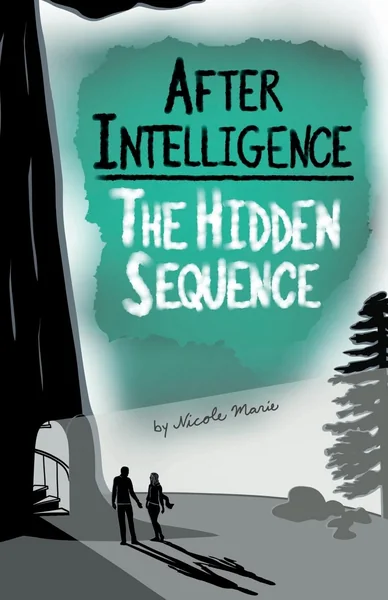
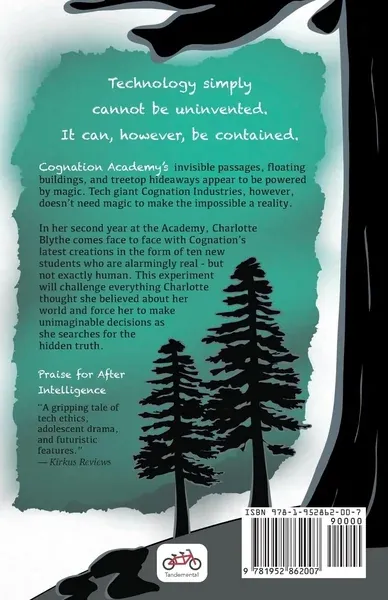
Environmental themes weave subtly through the narrative, reflected in both the cover's forest imagery and the story's deeper concerns about humanity's relationship with the natural world. The author connects these ecological elements to the broader questions about human evolution and responsibility.
Where the Story Stumbles Slightly
While the premise remains strong throughout, some middle sections feel slightly rushed. Certain plot developments could benefit from more detailed exploration, particularly when introducing new aspects of the transformed society. The author occasionally relies on exposition where showing might prove more effective.
The ending, while satisfying, arrives somewhat abruptly. Readers may wish for more resolution regarding certain character arcs and world-building elements. However, this may reflect the book's position as part of a larger sequence.
Perfect for Thoughtful Teen Readers
After Intelligence works best for young adults who enjoy science fiction that prioritizes ideas alongside action. The reading level suits confident middle school readers through high school, with vocabulary and concepts that challenge without overwhelming.
Parents will appreciate the book's thoughtful approach to technology and social change. While the themes are complex, Marie presents them in ways that encourage discussion rather than anxiety. The content remains appropriate for teen readers, with no concerning elements regarding violence or mature themes.
This novel particularly appeals to readers who enjoyed Scythe by Neal Shusterman or The 5th Wave series, offering similar philosophical depth wrapped in engaging science fiction elements.