
5 min read
4.2
An honest, well-crafted memoir that captures the complex realities of cultural adaptation through the lens of renovating a Moroccan palace, offering genuine insights into contemporary Morocco beyond tourist clichés.
LuvemBooks
Our Rating
4.2
An honest, well-crafted memoir that captures the complex realities of cultural adaptation through the lens of renovating a Moroccan palace, offering genuine insights into contemporary Morocco beyond tourist clichés.
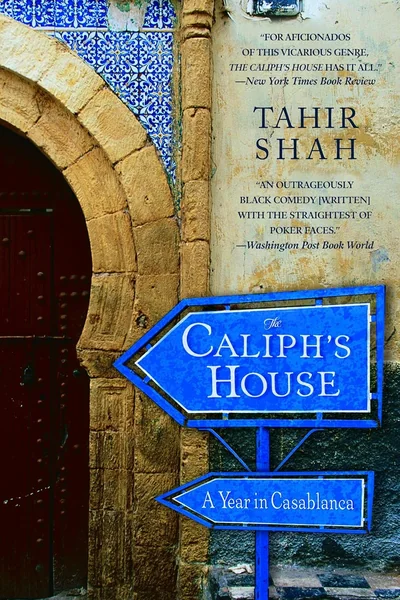
The Caliph's House stands as a testament to Morocco's layered history. Shah inherited this 1920s mansion from his grandfather, but inheritance and occupation prove vastly different endeavors. The house arrives complete with structural damage, mysterious previous tenants, and a guardian named Hamza whose loyalty comes wrapped in local superstition and practical wisdom.
Shah's approach to renovation becomes a masterclass in cross-cultural negotiation. Every repair requires navigating bureaucratic mazes, craftsman hierarchies, and djinn-related concerns. The author doesn't romanticize these challenges—he presents them as genuinely frustrating obstacles that test his family's commitment to their Moroccan dream. Readers familiar with A Year in Provence will recognize similar themes, but Shah's experience carries the additional weight of genuine cultural displacement rather than temporary relocation.
Shah writes with the measured pace of someone who has learned patience through necessity. His prose balances descriptive richness with narrative momentum, painting Casablanca's contradictions without falling into orientalist clichés. The author demonstrates particular skill in presenting Moroccan perspectives without claiming to fully understand them—a humility often missing from Western writers describing non-Western cultures.
The memoir's structure mirrors the renovation process itself: episodic, sometimes circular, occasionally maddening. Shah presents setbacks and breakthroughs with equal weight, creating authentic rhythm rather than manufactured dramatic arcs. His background as a travel writer serves him well here—he knows how to make bureaucratic delays compelling and how to find universal themes in specific cultural encounters.
Rachana Shah and the children emerge as fully realized individuals rather than supporting characters in the author's adventure. Rachana's practical concerns about schooling, healthcare, and social integration provide necessary counterpoint to Tahir's romantic architectural visions. The children's adaptation process—learning Arabic, navigating Moroccan school systems, forming friendships across cultural lines—offers some of the memoir's most touching and insightful moments.
The family's relationship with Hamza exemplifies the book's nuanced approach to cultural exchange. Rather than presenting him as colorful local character or wise native guide, Shah shows Hamza as a complex individual whose traditional knowledge and modern adaptability make the renovation possible. Their working relationship evolves from mutual suspicion to genuine partnership, illustrating how cultural understanding develops through shared struggle.
Shah's Casablanca differs markedly from the romantic Morocco of popular imagination. This is an industrial city grappling with modernization, not a timeless medina frozen for Western consumption. The author captures the city's energy and frustrations—traffic chaos, bureaucratic complexity, economic inequality—without descending into complaint or condescension.
The memoir excels at presenting Morocco's social complexity. Shah encounters everyone from construction workers to government officials, traditional craftsmen to modern entrepreneurs. Each interaction reveals different facets of contemporary Moroccan society, building a multifaceted portrait that avoids both demonization and idealization.
The main weakness lies in occasional pacing issues where architectural details overwhelm narrative momentum. Some readers may find the renovation descriptions repetitive, particularly during middle chapters focused on plumbing and electrical work. Shah sometimes loses sight of broader themes while documenting specific contractor negotiations.
The memoir also suffers from limited female Moroccan perspectives. While Rachana's voice provides important balance, most local interactions involve men. This reflects practical reality—renovation work in Morocco remains male-dominated—but creates gaps in cultural understanding that feel significant.
The Caliph's House succeeds brilliantly at what it attempts: an honest account of cultural adaptation that respects both Western and Moroccan perspectives. Shah never claims to become Moroccan, but he demonstrates how genuine cultural exchange requires vulnerability, patience, and willingness to abandon preconceptions.
This memoir will resonate most strongly with readers contemplating major life changes, whether geographical or otherwise. The book offers practical insights for anyone considering international relocation while serving as compelling travel literature for armchair adventurers. Shah proves that the best travel writing emerges from genuine commitment to place rather than touristic observation.