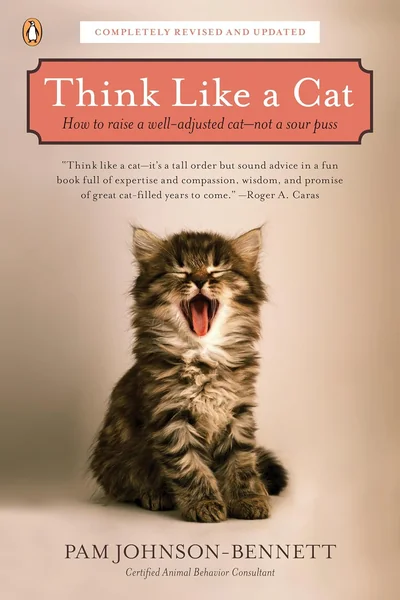
Understanding Feline Psychology Through Human Eyes
Johnson-Bennett's central thesis revolves around the concept that cats aren't small dogs — they require fundamentally different approaches to training and environmental management. The author systematically dismantles common misconceptions about feline behavior, particularly the myth that cats are inherently untrainable or antisocial.
The psychological framework presented here draws from both ethological research and practical observation. Johnson-Bennett explains how territorial instincts, hunting behaviors, and social hierarchies influence domestic cat behavior in ways many owners fail to recognize. Her approach emphasizes reading feline body language and environmental cues rather than imposing human expectations on cat behavior.
What distinguishes this work from typical pet care guides is its emphasis on proactive management rather than reactive correction. The author advocates for creating environments that naturally encourage desired behaviors, reducing the need for direct intervention or punishment-based training methods.
Practical Applications for Real-World Problems
The book's strength lies in its systematic approach to common behavioral challenges. Johnson-Bennett addresses litter box issues, scratching problems, aggression between cats, and introduction protocols with specific, actionable strategies that acknowledge the complexity of feline social dynamics.
Her methods for addressing multi-cat household dynamics prove particularly valuable, as many cat behavior books oversimplify the territorial and social factors at play when multiple cats share living space. The author provides detailed protocols for introducing new cats, managing resource competition, and recognizing early signs of stress that can escalate into serious behavioral problems.
The environmental enrichment sections offer concrete guidance for creating cat-friendly spaces that satisfy natural hunting and climbing instincts. Johnson-Bennett's recommendations go beyond basic scratching posts and toys, addressing vertical territory, hiding spots, and feeding strategies that reduce stress and promote mental stimulation.
The Science Behind the Methods
Johnson-Bennett grounds her recommendations in behavioral science while maintaining accessibility for general readers. She explains the neurological and hormonal factors that drive feline behavior without overwhelming non-scientific audiences with technical jargon.
The author's discussion of stress-related behavioral issues demonstrates particular insight into how environmental factors trigger unwanted behaviors. Her analysis of scent-marking, excessive vocalization, and destructive scratching provides readers with tools to identify root causes rather than simply managing symptoms.
However, some of the research references feel dated by contemporary standards. While the fundamental principles remain sound, newer developments in feline cognition research and veterinary behaviorism aren't reflected in this edition. Readers seeking cutting-edge behavioral science might need to supplement with more recent publications.
Where Traditional Methods Fall Short
Despite its comprehensive scope, the book occasionally oversimplifies complex behavioral issues that may require professional intervention. Johnson-Bennett acknowledges when to consult veterinary behaviorists, but some readers might attempt to implement her strategies for severe aggression or anxiety cases that warrant medical evaluation.
The author's approach, while generally positive-reinforcement based, sometimes lacks nuance for cats with trauma histories or significant behavioral challenges. Her methods work exceptionally well for typical behavioral management but may prove insufficient for cats with underlying medical issues or severe stress responses.
Additionally, some practical recommendations assume ideal living situations that many cat owners don't possess. Apartment dwellers or households with limited space might struggle to implement certain environmental modifications the author recommends.
Who Benefits Most From This Approach
Think Like a Cat proves most valuable for new cat owners seeking to establish positive relationships from the beginning, rather than those dealing with entrenched behavioral problems. The preventive focus makes it an excellent resource for households adopting kittens or young cats.
Multi-cat households will find Johnson-Bennett's social dynamic insights particularly relevant, especially regarding territory management and resource distribution. Her systematic approach to cat introductions has prevented countless behavioral problems for readers who follow her protocols consistently.
The book also serves experienced cat owners who want to deepen their understanding of feline psychology beyond basic care requirements. Johnson-Bennett's behavioral analysis helps owners recognize subtle signs of stress or illness that often go unnoticed until problems become severe.