The Framework That Changes Everything
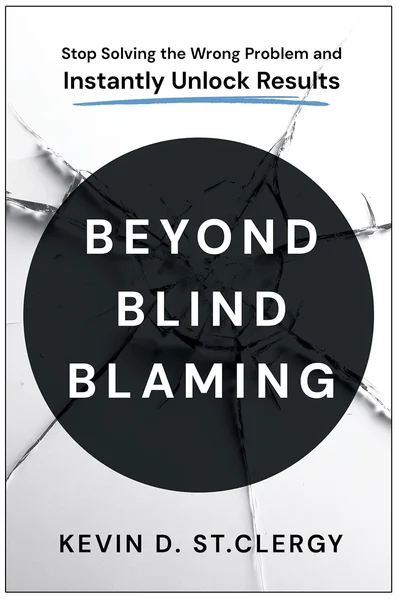
St.Clergy introduces what he terms "diagnostic thinking" - a systematic approach to problem identification that precedes any solution attempts. Unlike quick-fix business books that jump straight to tactics, this methodology requires practitioners to pause and examine their assumptions about what constitutes the actual problem.
The author builds his argument through workplace scenarios that will resonate with managers and team leaders. Rather than abstract theories, he presents situations where teams invest significant resources solving symptoms while root causes persist. The practical exercises guide readers through identifying these misaligned efforts in their own organizations.
What distinguishes this approach from similar business frameworks is its emphasis on cognitive biases that distort problem perception. St.Clergy argues that confirmation bias, anchoring, and attribution errors systematically misdirect our problem-solving energy toward comfortable but ineffective targets.
A Methodology Grounded in Research
The book's strength lies in its research-backed strategies rather than anecdotal success stories. St.Clergy draws from behavioral psychology, systems thinking, and organizational development literature to construct his diagnostic framework. This academic foundation provides credibility that many business books lack.
Each chapter builds methodically toward a comprehensive problem-identification process. The progression feels logical rather than formulaic, with concepts reinforcing rather than contradicting each other. For experienced managers, this systematic approach may initially seem overly deliberate, but St.Clergy demonstrates how rushing to solutions perpetuates the very blind spots his method addresses.
The writing style maintains professional accessibility without dumbing down complex concepts. St.Clergy avoids the breathless enthusiasm common in business self-help while keeping the content engaging enough for busy professionals.
Practical Applications and Implementation
Where many business books fail in the implementation phase, St.Clergy provides concrete tools for applying his diagnostic approach. The framework includes specific questions, evaluation criteria, and checkpoint processes that transform abstract concepts into actionable methodologies.
The main weakness emerges in the book's scope limitations. While the diagnostic framework proves robust for organizational problems, its application to individual performance issues receives less attention. Readers seeking personal productivity solutions may find the content too systemically focused for their needs.
The case studies, while illustrative, occasionally feel sanitized for corporate consumption. More detailed examples of failed implementations or resistant organizational cultures would strengthen the book's practical credibility.
Who Benefits Most from This Approach
This book is ideal for managers who find themselves repeatedly addressing the same problems despite implementing multiple solutions. Team leaders experiencing initiative fatigue will particularly appreciate St.Clergy's emphasis on diagnostic precision before solution deployment.
Not recommended for readers seeking quick productivity hacks or immediate problem-solving tactics. The methodology requires time investment and organizational buy-in that may not suit crisis situations or individual contributor roles.
Consultants and organizational development professionals will find valuable frameworks for client engagements, though they may already recognize some concepts from systems thinking literature.
The Bottom Line
Beyond Blind Blaming delivers on its promise to revolutionize problem-solving by focusing upstream on problem identification rather than downstream on solution implementation. St.Clergy's diagnostic framework provides actionable methodology for breaking cycles of ineffective organizational fixes.
The book succeeds as the foundation for what promises to be a comprehensive series on advanced problem-solving approaches. For professionals tired of treating symptoms, this systematic approach offers genuine hope for addressing root causes and achieving sustainable improvements.
While not groundbreaking in its individual components, the integrated framework creates something greater than its parts - a practical methodology for one of business's most persistent challenges.