

8 min read
4.5
· 101,260 Amazon ratingsShare This Review
One Dark Window by Rachel Gillig Review: A Gothic Debut with Real Stakes
Rachel Gillig's debut gothic romantic fantasy, originally published by Orbit Books in 2022, introduces Elspeth Spindle and a five-hundred-year-old spirit called Nightmare in a mist-locked kingdom where magic is a death sentence — a premise that earned the novel a devoted BookTok following and mixed-but-engaged critical attention, with reviewers praising its evocative prose and magic system while flagging uneven pacing and a predictable romantic subplot.
LuvemBooks Verdict
Best for
Readers drawn to lushly gothic, atmosphere-first dark fantasy — especially those who loved Naomi Novik's Uprooted — who want a psychologically complex protagonist, a magic system with genuine moral weight, and a completed duology they can binge straight through to its conclusion.
Worth it if
The gothic atmosphere, the unsettling possession dynamic, and a magic system that takes its costs seriously matter more to you than airtight pacing or a romantically surprising slow burn.
Skip if
You prioritise tight structural plotting, a romance built on genuine unpredictability, or a villain whose secrets land as a surprise — critics found the pacing uneven, the cliffhanger ending disappointing, and Nightmare's identity reveal entirely obvious.
What readers & critics say
Archita Mittra at the Chicago Review of Books praised the prose as "evocative" and the magic system as "commendable," while Reactor's Maxim M. Martineau highlighted the novel's sustained attention to the cost of magic — but Mittra's review also criticised the pacing, called the ending's cliffhanger structure "disappointing," and judged the romantic subplot "predictable." Across retrieved reader reviews, the novel's gothic atmosphere and immersive worldbuilding drew consistent enthusiasm, though Nightmare's rhyming-couplet dialogue was noted as "inappropriately twee" in critical coverage.
Sources: Girl in the Pages, Pages and Tea Blog, Scattered Thoughts and Rogue Words, Courtney Reads Romance, Nazaha FreenIn This Review
- What Works & What Doesn't
- What the Book Is and What It Does
- Significance and Cultural Footprint
- Genuine Strengths: Prose, Magic System, and Cost
- Where Critics Pushed Back
- Who This Book Is For
What Works & What Doesn't
What Works
- Evocative prose praised by name by the Chicago Review of Books' Archita Mittra
- Magic system handled with care — Reactor's Maxim M. Martineau specifically praised the novel's attention to the cost of magic
- High emotional and physical stakes: Elspeth's infection and the Nightmare possession carry genuine consequences for her autonomy and survival
- Critics commended the romance between Elspeth and Ravyn as 'steamy'
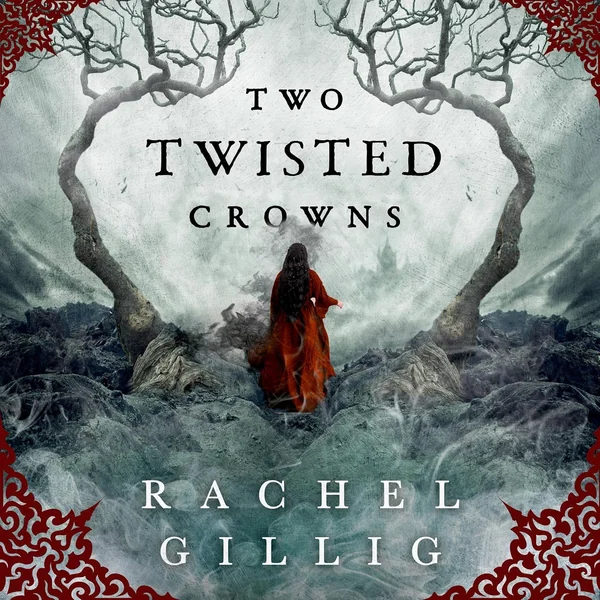
- A completed duology — readers can move directly from this book to sequel Two Twisted Crowns (2023) without an open-ended wait
What Doesn't
- Pacing criticized by the Chicago Review of Books, which also called the cliffhanger ending 'disappointing'
- Critical coverage found Nightmare's rhyming-couplet dialogue 'inappropriately twee' and his true identity reveal 'entirely obvious'
- The romantic subplot was judged 'predictable' by the Chicago Review of Books, relying on tropes rather than genuine chemistry between its leads
What the Book Is and What It Does

Significance and Cultural Footprint
Genuine Strengths: Prose, Magic System, and Cost
Where Critics Pushed Back
Who This Book Is For
Frequently Asked Questions
Sources & Further Reading
The key facts and claims in this review are grounded in the retrieved, verified sources listed below.
- Cited in this review
- 1
en.wikipedia.org
- 2
- Further reading
- 3
Rachel Gillig, Wikipedia
- 4
- 5
scatteredthoughtsandroguewords.com
- 6
Related Reviews
Reviews of books we picked for readers who enjoyed One Dark Window.
Reader Comments
No comments yet
Be the first to share your thoughts!