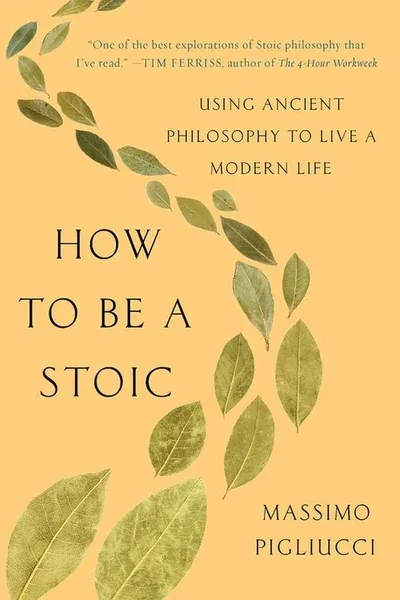
Is How to Be a Stoic worth reading for beginners seeking practical philosophy? Massimo Pigliucci's 2017 guide transforms dense ancient wisdom into actionable modern advice, making Stoicism accessible without dumbing it down. Unlike academic philosophy texts, this book bridges the 2,000-year gap between Marcus Aurelius and modern readers struggling with anxiety, decision-making, and life's inevitable challenges.
Pigliucci, a philosophy professor and practicing Stoic, structures the book around conversations with ancient Stoic figures, particularly Marcus Aurelius. This dialogue format creates an engaging entry point into concepts that might otherwise feel abstract or intimidating. Readers familiar with The Obstacle Is the Way by Ryan Holiday will appreciate Pigliucci's more scholarly yet equally practical approach to Stoic principles.
A Philosophy Professor's Practical Approach
Pigliucci's academic background shows throughout, but he resists the temptation to overwhelm readers with philosophical jargon. The author presents Stoicism as a research-backed approach to emotional regulation and decision-making, citing modern psychology research that validates ancient Stoic practices. His writing strikes a balance between intellectual rigor and accessibility that makes complex philosophical concepts digestible.
The book's structure follows a logical progression from basic Stoic principles to advanced practices. Rather than simply explaining what ancient Stoics believed, Pigliucci demonstrates how these ideas apply to contemporary challenges like social media anxiety, career setbacks, and relationship difficulties. This modern contextualization prevents the philosophy from feeling like a museum piece.
Key Stoic Principles Made Actionable
The book's greatest strength lies in its practical exercises that translate abstract Stoic concepts into daily habits. Pigliucci presents the discipline of desire (focusing on what we can control), the discipline of action (acting with virtue), and the discipline of assent (examining our judgments) as learnable skills rather than lofty ideals.
Marcus Aurelius appears throughout as both historical figure and conversation partner, with Pigliucci imagining dialogues that illuminate Stoic principles. This technique works particularly well when discussing the emperor's struggles with power, responsibility, and personal loss. The author shows how even Rome's most powerful leader grappled with the same fundamental human challenges we face today.
The exercises range from morning reflection routines to evening self-examination practices. Pigliucci provides specific frameworks for analyzing emotional responses, making difficult decisions, and maintaining equanimity during stressful situations. These aren't feel-good platitudes but structured approaches based on centuries of philosophical development.
Where Ancient Wisdom Meets Modern Psychology
Pigliucci excels at connecting Stoic practices with contemporary cognitive behavioral therapy techniques. The overlap between ancient Stoic exercises and modern therapeutic approaches validates the philosophy's psychological insights while making it more credible to skeptical readers. This connection strengthens the book's argument that Stoicism offers more than historical curiosity.
However, the author sometimes oversells these connections, occasionally forcing parallels that feel strained. The book works best when it allows Stoicism to stand on its own merits rather than constantly seeking modern validation. Some sections read more like apologetics for ancient philosophy than genuine exploration of its limitations.
The Challenge of Living Philosophy Daily
The main weakness emerges in the book's treatment of Stoicism's practical challenges. Pigliucci acknowledges that living as a Stoic in modern society creates tensions but doesn't fully explore the difficulties of maintaining Stoic principles in contemporary work environments, relationships, or social situations.
The book also struggles with Stoicism's historical baggage, particularly around emotions and social engagement. While Pigliucci corrects common misconceptions about Stoics being emotionless, he doesn't adequately address legitimate criticisms of Stoic approaches to social justice, political engagement, and emotional expression.
Some readers may find Pigliucci's academic tone occasionally dry, especially compared to more popular philosophy books. The conversational format with historical figures sometimes feels forced rather than natural, creating artificial dialogue that serves the author's pedagogical goals more than authentic philosophical inquiry.
Perfect for Philosophy Beginners Seeking Structure
Is How to Be a Stoic worth reading? Absolutely, particularly for readers wanting a structured introduction to practical philosophy. The book serves as an excellent bridge between pop philosophy and serious philosophical study, offering enough depth to satisfy curious minds without requiring extensive background knowledge.
This book works best for readers who want systematic approaches to personal development rather than quick fixes or motivational cheerleading. Those seeking immediate emotional relief might find the philosophical foundation-building slow, but readers willing to engage with the material seriously will find lasting value in Pigliucci's methodical approach.
The bottom line: Pigliucci has created a thoughtful, practical guide that makes ancient Stoicism genuinely applicable to modern life without sacrificing intellectual honesty or philosophical rigor.