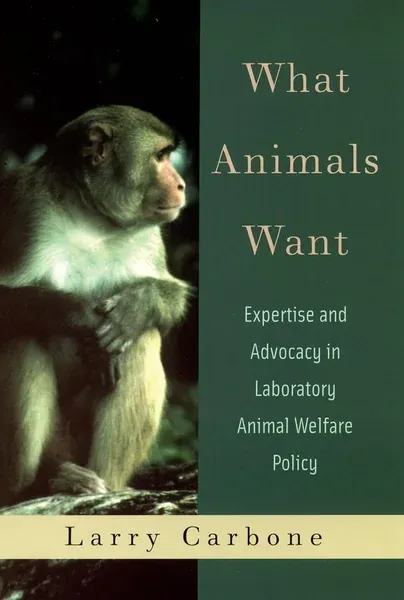
The Veterinarian's Perspective on Animal Advocacy
Carbone's background as a laboratory animal veterinarian shapes every page of this analysis. Rather than approaching animal welfare from a purely philosophical stance, he examines how practical policy decisions affect real animals in real laboratories. This insider's view provides credibility often missing from animal welfare discussions that remain purely theoretical.
The author explores how veterinary expertise intersects with advocacy, arguing that effective animal welfare policy requires both scientific understanding and ethical commitment. His analysis reveals tensions between different stakeholders - researchers who need animal models, veterinarians who care for laboratory animals, and advocates pushing for stronger protections.
Policy Framework and Regulatory Analysis
The book's strength lies in its detailed examination of existing regulatory frameworks governing laboratory animal use. Carbone dissects how policies like the Animal Welfare Act function in practice, revealing gaps between legislative intent and real-world implementation. For policymakers and researchers, this analysis proves invaluable for understanding why well-intentioned regulations sometimes fail to achieve their goals.
Rather than simply criticizing current systems, Carbone proposes improvements grounded in practical experience. He examines how different countries approach laboratory animal welfare, comparing regulatory philosophies and their outcomes. This comparative analysis helps readers understand that animal welfare policy isn't monolithic - different approaches yield different results.
The Expertise Question in Animal Welfare
One of the book's most compelling arguments concerns who should have authority in animal welfare decisions. Carbone challenges the assumption that any single group - whether scientists, ethicists, or animal advocates - possesses complete expertise on what animals need. Instead, he argues for collaborative approaches that combine scientific knowledge, ethical reasoning, and practical experience.
This position places Carbone somewhere between pure animal rights advocates and researchers who resist external oversight. He acknowledges that animals have interests that deserve consideration while recognizing the legitimate needs of scientific inquiry. This middle ground won't satisfy purists on either side, but it offers a foundation for productive dialogue.
Where the Analysis Falls Short
The book's academic tone, while appropriate for its subject matter, sometimes creates distance between reader and material. Carbone's measured approach, though intellectually honest, may frustrate readers seeking clearer moral guidance. The main weakness is that practical policy recommendations sometimes feel incremental when the ethical questions demand more fundamental examination.
Additionally, the 2004 publication date means some regulatory developments and scientific advances aren't addressed. While the core arguments remain relevant, readers need to supplement this analysis with more recent developments in laboratory animal welfare policy.
A Balanced Voice in a Polarized Debate
What Animals Want succeeds as a thoughtful contribution to animal welfare policy discussion. Carbone avoids the rhetorical extremes that often characterize this field, offering instead a nuanced analysis that acknowledges competing values and interests. The book works best for readers who want to understand how animal welfare policy actually functions rather than how it should ideally work.
Perfect for graduate students, policy researchers, and professionals working in laboratory animal medicine, this book provides essential background for anyone serious about improving animal welfare within existing scientific frameworks. General readers interested in animal ethics will find valuable insights, though they may prefer more accessible introductions to the field.
The book's lasting value lies in its demonstration that effective animal advocacy requires understanding the systems you're trying to change. Carbone shows that genuine concern for animal welfare demands engagement with the practical realities of scientific research and policy implementation.