A Portrait of Post-War Britain's Forgotten Children
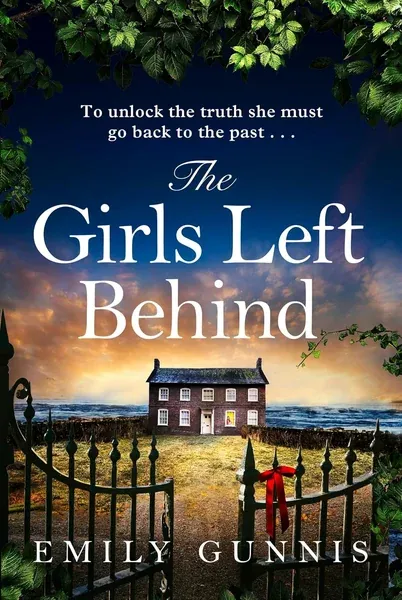
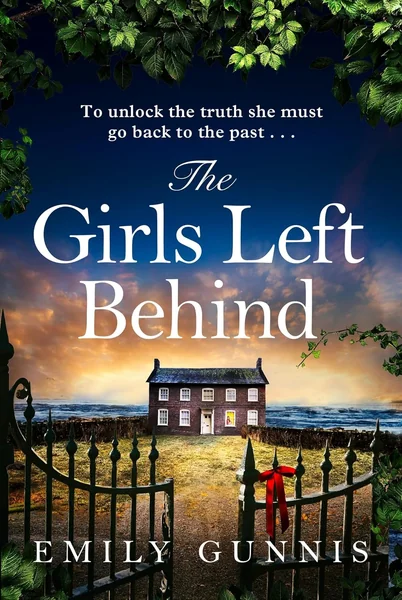
Gunnis constructs her narrative around the fictional Beeches children's home, where young women navigate the complex dynamics of institutional life in 1950s England. The author skillfully weaves together multiple timelines, connecting past trauma with present-day consequences. The dual timeline structure keeps readers engaged while gradually revealing the connections between characters across generations.
The historical setting feels authentic without overwhelming modern readers with period details. Gunnis captures the social attitudes of the era—particularly regarding unmarried mothers and "difficult" children—without excusing or romanticizing them. This balance makes the book accessible to contemporary teen audiences while maintaining historical accuracy.
Gunnis's Compassionate Storytelling Approach
The author's prose strikes an effective balance between accessibility and emotional depth. Gunnis avoids graphic depictions of abuse while still conveying the psychological impact of institutional trauma. Her writing style remains engaging without being exploitative, making difficult subject matter approachable for younger readers.
The pacing alternates between quiet character moments and revelatory plot developments. Gunnis understands when to let emotions breathe and when to advance the mystery elements. This measured approach prevents the story from becoming either overly sentimental or melodramatic.
The Residents and Staff of Beeches
The novel's strength lies in its ensemble cast of characters, each representing different responses to institutional life. The young women at Beeches feel distinct and authentic—neither victims without agency nor unrealistically resilient heroes. Gunnis develops their relationships organically, showing how bonds form under pressure while avoiding overly neat resolutions.
The adult characters, particularly the staff members, receive nuanced treatment. Rather than simple villains or saints, they represent the complex moral landscape of institutional care, where good intentions can coexist with harmful practices. This moral complexity elevates the novel above simple period drama.
Themes That Resonate with Modern Readers
The novel explores several themes relevant to contemporary audiences: the search for identity when separated from family, the impact of institutional care on development, and the long-term effects of childhood trauma. Gunnis handles these weighty topics with appropriate gravity while maintaining hope throughout the narrative.
The theme of chosen family particularly resonates with young adult readers. The relationships formed at Beeches demonstrate how people can create meaningful connections despite difficult circumstances. The novel suggests that healing is possible, though it requires both individual strength and community support.
Where the Novel Occasionally Stumbles
While generally well-crafted, the book occasionally relies on coincidences to advance the plot. Some revelations feel slightly contrived, particularly in the final act where multiple storylines converge. The resolution, while emotionally satisfying, wraps up certain elements more neatly than the story's realistic tone suggests.
The dual timeline structure, while generally effective, sometimes creates pacing issues. Certain sections in the historical timeline feel rushed compared to the more developed contemporary storyline. A more balanced approach might have strengthened both narratives.
An Ideal Choice for Thoughtful Teen Readers
The Girls Left Behind works exceptionally well for mature teen readers who appreciate character-driven historical fiction. The themes are serious but handled appropriately, making this suitable for readers aged 14 and up. The novel avoids graphic content while still addressing difficult realities, striking the right balance for young adult audiences.
Parents and educators will appreciate how Gunnis encourages empathy and critical thinking about social issues. The book provides opportunities for discussions about institutional care, social justice, and historical context without being didactic. It's particularly valuable for readers interested in social history and women's experiences during the mid-20th century.