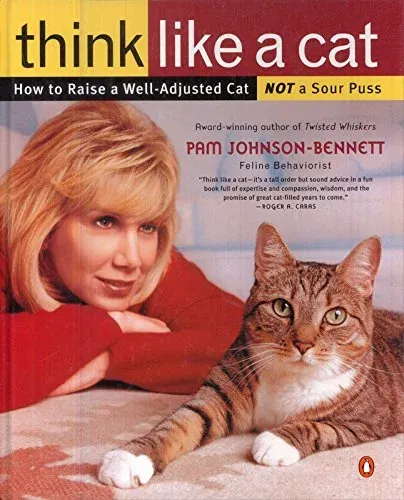
Understanding Feline Psychology
The book's foundation lies in demystifying cat behavior through scientific understanding. Johnson-Bennett explains that cats aren't being spiteful or vindictive—they're responding to environmental triggers, stress, or unmet needs. This reframing proves crucial for owners who've grown frustrated with their pets' seemingly inexplicable actions.
The author breaks down complex behavioral concepts into digestible explanations. Territory marking, scratching, and litter box avoidance aren't character flaws but communication methods. By understanding these signals, owners can address root causes rather than symptoms. This approach proves particularly valuable for multi-cat households where territorial disputes often escalate without proper intervention.
Johnson-Bennett's background in animal behavior consulting brings practical credibility to her recommendations. Her methods emphasize environmental management and positive reinforcement rather than confrontational techniques that can damage the human-cat bond.
Practical Solutions That Actually Work
Where many pet guides fail with vague advice, this book delivers specific, actionable strategies. Each behavioral issue receives thorough treatment, from identifying triggers to implementing step-by-step solutions. The litter box chapter alone could justify the book's value, addressing everything from substrate preferences to placement psychology.
The scratching solutions particularly stand out for their practicality. Instead of simply recommending scratching posts, Johnson-Bennett explains texture preferences, height requirements, and strategic placement. These details make the difference between success and another shredded sofa.
For owners dealing with aggression, the book provides nuanced approaches that consider individual cat personalities. Rather than one-size-fits-all solutions, strategies adapt to different triggers—whether fear-based, territorial, or play-related aggression. This tailored approach proves essential for households with complex behavioral challenges.
Environmental Enrichment Philosophy
Johnson-Bennett champions environmental enrichment as preventive medicine for behavioral problems. The book extensively covers creating cat-friendly spaces that satisfy natural instincts for climbing, hiding, and hunting. These environmental modifications often prevent issues before they develop, making this proactive approach invaluable.
The vertical territory concepts revolutionize small-space cat keeping. By utilizing wall space and creating multiple levels, owners can dramatically increase their cats' perceived territory. These strategies prove particularly beneficial for apartment dwellers struggling with stressed or destructive pets.
Feeding enrichment receives thorough attention, moving beyond simple bowl placement to puzzle feeders and hunting games. These techniques address both physical and mental stimulation needs while preventing obesity—a growing concern in indoor cats.
Where the Book Shows Its Age
Despite its enduring relevance, some recommendations feel dated by modern standards. Technology has advanced significantly since 2000, offering new solutions for monitoring and enrichment that the book naturally couldn't anticipate. Interactive feeding devices and automated play systems represent evolution in cat care that isn't reflected here.
The writing style occasionally becomes repetitive, particularly when reinforcing core concepts across different chapters. While repetition aids learning, it can feel redundant for readers tackling multiple behavioral issues simultaneously.
Some case studies reference products or techniques that have evolved considerably. While the underlying principles remain sound, specific product recommendations may require updating for current relevance.
Our Take
Think Like a Cat deserves its reputation as essential reading for serious cat owners. Johnson-Bennett's psychological approach transforms how people understand their feline companions, leading to more effective and humane problem-solving. The book excels at changing mindsets first, then providing tools to implement that new understanding.
This guide works best for owners committed to environmental changes and patient implementation of behavioral modification techniques. Those seeking quick fixes or dominance-based training methods will find themselves disappointed. However, readers willing to invest time in understanding their cats' perspectives will discover remarkably effective solutions.
The book remains particularly valuable for multi-cat households and owners dealing with chronic behavioral issues. Its comprehensive coverage and scientific foundation make it superior to most general pet care guides that treat behavioral problems as afterthoughts.