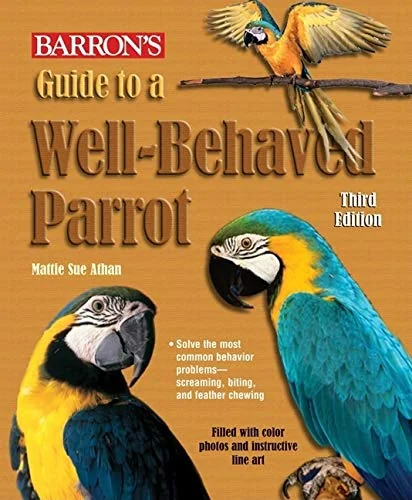
Athan's Behavioral Philosophy
MattieSue Athan grounds her approach in understanding parrot psychology rather than simple obedience training. She emphasizes that most behavioral problems stem from unmet needs rather than deliberate mischief. This perspective shifts the focus from punishment-based corrections to environmental and social adjustments.
The author's methodology revolves around building trust and communication between bird and owner. She advocates for patience over quick fixes, acknowledging that behavioral changes in parrots often take weeks or months to solidify. This realistic timeline sets appropriate expectations for new parrot owners who might expect immediate results.
Athan particularly excels at explaining why certain behaviors develop. Her analysis of screaming, for instance, traces the problem back to inadvertent reinforcement patterns rather than labeling birds as inherently problematic. This diagnostic approach helps owners identify the root causes of issues.
Practical Training Strategies
The book's strength lies in its actionable training protocols for specific behavioral challenges. Athan provides step-by-step instructions for addressing biting, excessive vocalization, and territorial aggression. Her techniques emphasize consistency and timing, two crucial elements often overlooked in amateur training attempts.
Target training receives extensive coverage, with detailed explanations of how this foundational skill enables more complex behavioral modifications. Athan demonstrates how teaching a bird to touch a target stick can redirect aggressive impulses and create positive interaction opportunities.
The environmental management sections offer practical solutions for common household problems. Athan addresses furniture destruction, food throwing, and inappropriate elimination with specific preventive strategies. These recommendations acknowledge the realities of sharing living space with large, intelligent birds.
Case Studies and Real-World Applications
Athan strengthens her theoretical framework with numerous real-world examples drawn from her experience with various parrot species. These case studies illustrate how the same behavioral principle might require different applications for an African Grey versus a Cockatoo.
The troubleshooting sections prove particularly valuable for owners facing specific challenges. Rather than generic advice, Athan provides decision trees that help readers identify which technique suits their particular situation. This customized approach acknowledges that no single method works for every bird.
Her discussion of species-specific considerations adds important nuance often missing from general parrot guides. Amazon parrots, for example, require different handling of hormonal behaviors than do Conures. These distinctions prevent owners from applying inappropriate techniques to their specific birds.
Where the Approach Falls Short
The book's comprehensive nature occasionally becomes overwhelming for new parrot owners seeking immediate help with crisis behaviors. Athan's methodical approach requires significant time investment that desperate owners might not feel they can afford when dealing with severe aggression or constant screaming.
Some of the environmental modification suggestions assume substantial financial resources. Recommendations for large flight cages, specialized perching systems, and extensive toy rotations may not be feasible for budget-conscious owners. The book would benefit from more economical alternatives.
The writing style can feel academic rather than encouraging during particularly challenging sections. While Athan's expertise is evident, the tone sometimes lacks the emotional support that frustrated owners need when implementing difficult behavioral changes.
Essential Resource for Committed Owners
Guide to a Well-Behaved Parrot succeeds as a comprehensive reference for owners willing to invest time in understanding their birds' complex needs. Athan's evidence-based approach provides solid foundations for long-term behavioral success rather than temporary fixes.
The book works best for intermediate to advanced parrot owners who have moved beyond basic care questions and need sophisticated behavioral guidance. New owners might feel overwhelmed by the depth of information, while experienced owners will appreciate the nuanced approach to complex problems.
Our recommendation: highly worthwhile for serious parrot owners who want to understand the psychology behind their birds' behaviors rather than simply suppress unwanted actions.