Wisdom Through Narrative
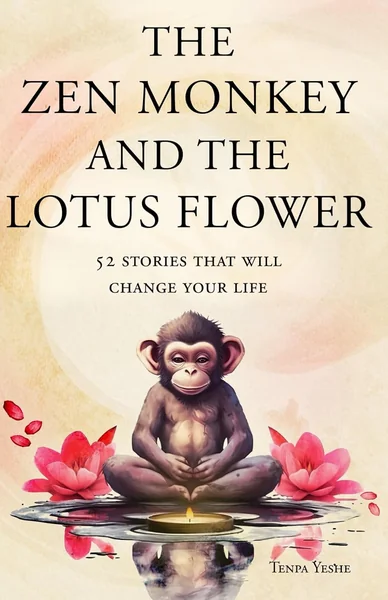
Tenpa Yeshe employs traditional storytelling techniques found in Buddhist parables and Zen koans in this collection of 52 stories. The tales follow patterns familiar to anyone versed in Eastern philosophy: characters face challenges, receive guidance, and discover truth through experience rather than instruction.
The writing maintains simplicity without condescension. Yeshe avoids flowery language or unnecessary complexity, letting the stories' inherent wisdom carry the weight. Each tale makes them perfect for busy readers seeking brief moments of reflection during hectic days.
The narrative approach serves the book's therapeutic purpose well. Rather than telling readers to "practice mindfulness," Yeshe shows characters discovering mindfulness through relatable situations—workplace stress, relationship conflicts, and personal disappointments that mirror contemporary life.
Practical Philosophy for Daily Life
The collection excels at bridging ancient wisdom and modern application. Stories address familiar stressors: deadline pressure, social media comparison, family expectations, and financial worries. The characters face remarkably human challenges, from overthinking past mistakes to anxiously planning the future.
Each story concludes with gentle insights rather than heavy-handed morals. Tenpa Yeshe trusts readers to extract personal meaning, though the lessons remain clear: attachment causes suffering, present-moment awareness brings peace, and self-compassion heals more than self-criticism.
The practical exercises embedded within stories feel organic rather than forced. Tales about learning to observe thoughts without judgment naturally demonstrate mindfulness meditation. Other stories about accepting life's impermanence illustrate how Buddhist concepts apply to job loss or relationship changes.
The book works particularly well for beginners to mindfulness who find traditional meditation instruction dry or intimidating. Stories provide context and emotional connection that pure technique often lacks.
Gentle Guidance with Eastern Roots
Tenpa Yeshe draws from authentic Buddhist tradition while making teachings accessible to Western readers. The stories reflect genuine understanding of Buddhist psychology, particularly concepts of non-attachment and compassionate awareness. Unlike some popularized mindfulness books that strip away cultural context, this collection maintains respectful connection to its philosophical roots.
The lotus flower symbolism weaves throughout, representing growth through adversity and beauty emerging from muddy waters. This metaphor reinforces the book's central message: difficulties become opportunities for wisdom when approached with proper perspective.
The storytelling creates coherent spiritual framework rather than random feel-good messages, drawing from traditional Buddhist literature and natural teachings.
Where Simplicity Becomes Limitation
The book's accessibility occasionally becomes its weakness. Some stories feel repetitive, especially those dealing with overthinking and anxiety. The same basic lesson—observe thoughts without attachment—appears in multiple variations that may feel redundant to readers seeking deeper exploration.
For experienced meditators, the content may feel elementary. The stories provide gentle reminders rather than challenging insights, making the book better suited for beginners than advanced practitioners seeking to deepen their understanding.
The writing, while clear, sometimes lacks the poetic beauty found in classic Buddhist texts or contemporary works like When Things Fall Apart by Pema Chödrön. Tenpa Yeshe prioritizes clarity over literary elegance, which serves the book's practical purpose but may disappoint readers seeking more sophisticated prose.
Cultural translation occasionally feels incomplete. While respectful of Buddhist tradition, some stories lose nuance when simplified for Western audiences unfamiliar with Eastern philosophical concepts.
Our Take
The Zen Monkey and the Lotus Flower succeeds as gentle introduction to mindfulness philosophy through engaging storytelling. The collection works best for readers new to Buddhist concepts who prefer narrative learning over direct instruction. Busy professionals, stressed students, and anyone seeking accessible wisdom will find value in these brief, thoughtful tales.
The book functions effectively as daily reader—the 52 stories allow time for reflection and integration. Parents might also appreciate these stories as conversation starters about emotional regulation and stress management with older children.
However, readers seeking profound philosophical insights or advanced meditation instruction should look elsewhere. This collection prioritizes accessibility over depth, making it a stepping stone rather than destination for serious Buddhist study.
For newcomers to mindfulness struggling with modern stress, these gentle parables offer practical wisdom without overwhelming complexity. The journey mirrors our own search for peace in chaotic times, providing companionship and guidance for that universal quest.