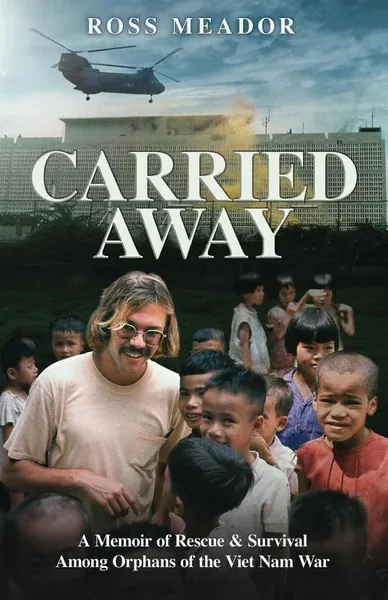
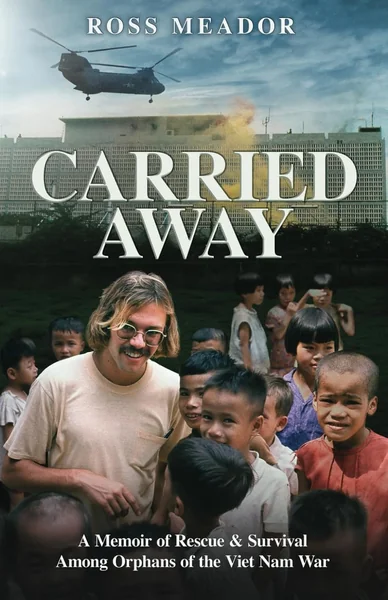
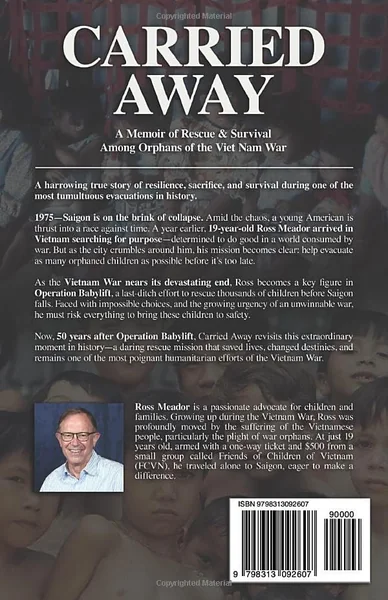
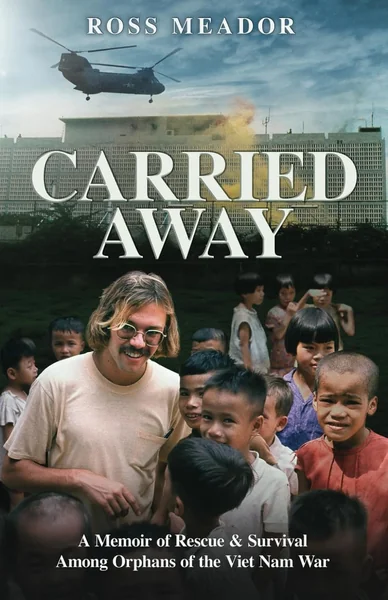
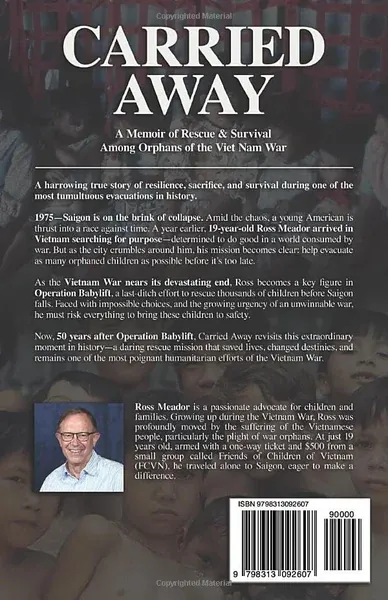
A Personal Account of Operation Babylift
Meador recounts his involvement in the controversial 1975 evacuation that airlifted thousands of Vietnamese orphans to adoptive families in the West. The memoir opens with the author's arrival in Vietnam and follows his journey through the logistical nightmares, ethical dilemmas, and human connections that defined this massive humanitarian effort.
The narrative's strength lies in its specificity - Meador doesn't deal in abstractions but rather concrete details of organizing flights, managing frightened children, and navigating the collapsing South Vietnamese bureaucracy. His account reveals how quickly noble intentions can become mired in cultural misunderstandings and administrative chaos.
The memoir benefits from Meador's insider perspective while avoiding the trap of self-congratulation. He acknowledges the operation's critics, particularly those who argued that many children weren't truly orphans and that the airlift separated families unnecessarily.
Raw Emotional Territory
Meador's prose style matches his subject matter - direct, unadorned, and occasionally brutal in its honesty. He doesn't shield readers from the psychological toll of working with traumatized children or the moral ambiguity surrounding international adoption during wartime.
The writing becomes most powerful when Meador describes individual children and their stories. Rather than treating the orphans as a collective tragedy, he provides glimpses of distinct personalities - the defiant older children, the silent traumatized toddlers, the resourceful survivors who had lived on Saigon's streets.
The author's background in relief work comes through in his matter-of-fact descriptions of difficult situations. He writes with the practiced emotional distance of someone who has learned to compartmentalize horror in order to function effectively.
The memoir introduces readers to the network of aid workers, military personnel, and Vietnamese staff who made Operation Babylift possible. Meador portrays these figures with complexity - dedicated professionals operating under impossible circumstances, making life-and-death decisions with incomplete information.
Most compelling are his portraits of the Vietnamese caregivers and translators who served as crucial bridges between American organizers and the children. These individuals often faced impossible choices about which children to recommend for evacuation, knowing they might never see their homeland again.
The author also examines the American adoptive families waiting to receive these children, revealing both their genuine desire to help and their sometimes naive expectations about instant family formation with deeply traumatized children.
The Weight of Good Intentions
Meador grapples honestly with the long-term consequences of Operation Babylift, acknowledging that not every story ended happily. Some adoptees struggled with identity issues, cultural displacement, and attachment difficulties that persisted into adulthood. The memoir doesn't shy away from these uncomfortable truths.
The book raises persistent questions about international adoption during humanitarian crises. When does rescue become cultural erasure? How do you balance immediate physical safety against long-term psychological well-being? Meador presents these dilemmas without offering easy answers.
His account also illuminates the broader context of American involvement in Vietnam, showing how the war's end created moral obligations that extended far beyond military withdrawal.
Where the Narrative Struggles
The memoir's chronological structure occasionally feels disjointed, jumping between different phases of the operation without always providing clear transitions. Some sections read more like organizational reports than personal narrative, losing the emotional immediacy that makes other chapters so effective.
Meador sometimes struggles with perspective, oscillating between his younger self's certainty and his older self's doubts without always signaling these shifts clearly. This can leave readers uncertain about his current stance on controversial decisions.
The book also suffers from uneven pacing, with detailed descriptions of bureaucratic procedures interrupting more compelling personal stories. While these administrative details provide important context, they occasionally bog down the narrative flow.
A Difficult but Important Read
Carried Away demands emotional maturity from its readers. The memoir contains descriptions of child abandonment, wartime trauma, and cultural displacement that could be disturbing for younger or more sensitive readers. Parents should consider carefully whether teens are ready for this level of emotional complexity.
For mature high school students studying the Vietnam War, however, the book provides invaluable perspective on the conflict's civilian casualties and America's ongoing obligations to war-affected populations. It complements traditional military histories by focusing on humanitarian consequences.
The memoir works best for readers who can handle moral ambiguity and appreciate the complexity of good intentions implemented under impossible circumstances.