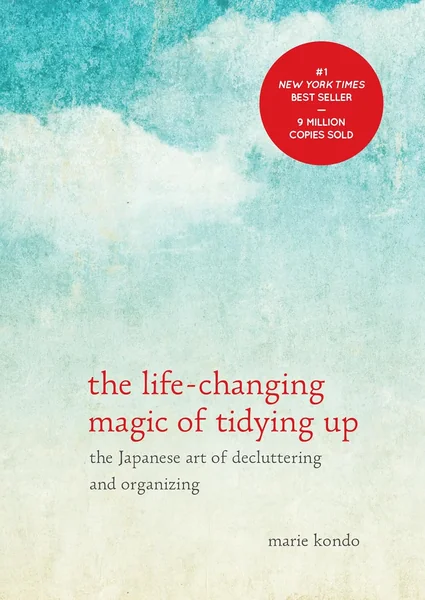
The KonMari Method Explained
Kondō's approach centers on five specific categories tackled in precise order: clothes, books, papers, komono (miscellaneous items), and sentimental objects. This sequence moves deliberately from easier decisions to more emotionally charged ones. The practical exercises involve holding each item and asking whether it sparks joy—a surprisingly physical and emotional process.
The methodology breaks with conventional organizing wisdom in several ways. Rather than organizing room by room, Kondō insists on category-by-category sorting. She also rejects the gradual decluttering approach, arguing that dramatic action creates lasting change. Her specific folding techniques receive particular attention, transforming clothing storage into what she describes as an art form.
What sets this book apart from standard organizing guides is its philosophical foundation. Kondō frames tidying as gratitude practice, encouraging readers to thank discarded items for their service. This distinctly Japanese concept of treating possessions with respect reflects broader cultural attitudes toward material objects and mindful living.
Where the Philosophy Meets Reality
The book's strength lies in its psychological insights about our relationships with possessions. Kondō astutely identifies how people use clutter as emotional armor, avoiding decisions and commitments. Her observation that messy homes often reflect inner turmoil resonates with readers struggling beyond mere organization issues.
However, the joy-sparking criterion faces practical limitations. Kondō's approach works brilliantly for clearly beloved or clearly unwanted items but struggles in the vast middle ground of neutral utility. Does a can opener spark joy? What about tax documents or emergency supplies? The book offers limited guidance for these mundane necessities that comprise much of modern life.
The cultural translation also creates friction points. Kondō's reverence for possessions, while admirable, can feel foreign to readers from different cultural backgrounds. Her specific storage techniques, developed for Japanese homes and lifestyles, don't always translate smoothly to Western living spaces or consumption patterns.
The Practical Reality Check
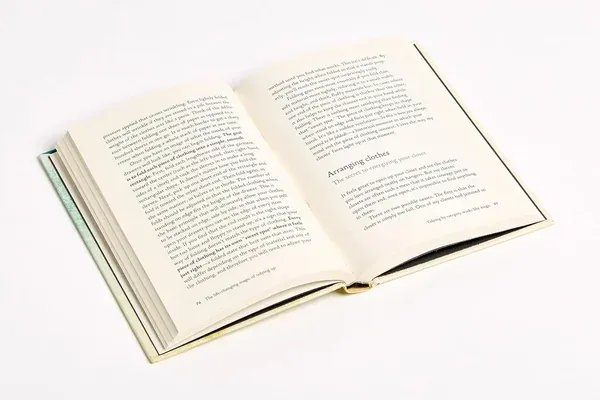
For readers seeking actionable advice, the book delivers mixed results. Kondō's clothing folding methods genuinely maximize drawer space and create visually pleasing storage. Her insights about designated homes for objects address common organizational challenges effectively.
Yet the book's main weakness lies in its oversimplified view of modern life complexities. Kondō's clients in Japan typically lived in smaller spaces with different consumption patterns than many Western readers. Her advice occasionally feels disconnected from families juggling multiple schedules, shared spaces, or homes that serve as both living and working environments.
The emotional component, while powerful, can overwhelm readers expecting straightforward organizing advice. Some find the introspective approach transformative; others consider it unnecessarily mystical for what should be practical guidance.
A Method That Demands Commitment
The KonMari method requires significant upfront investment—both temporal and emotional. Kondō estimates the complete process takes around six months of dedicated effort. This timeline assumes consistent motivation and the luxury of disrupting normal routines for extensive sorting sessions.
Perfect for readers who enjoy systematic approaches and don't mind philosophical frameworks, the book offers genuine insights into consumption habits and emotional attachments. Those seeking quick fixes or room-by-room guidance will find the methodology frustrating and impractical.
The book works best for people facing major life transitions—divorce, job changes, or empty nest syndrome—when external changes create natural motivation for internal reorganization. Readers content with moderate mess or those lacking significant decluttering challenges may find the approach unnecessarily intensive.
The Cultural Phenomenon and Its Limits
Understanding this book requires acknowledging its role in a broader cultural conversation about consumption and minimalism. Kondō's work arrived during growing awareness of environmental impact and consumer culture's psychological costs. The book tapped into widespread desire for simpler living amid increasing complexity.
However, the method's sustainability remains questionable for many practitioners. The bottom line is that Kondō's approach creates dramatic short-term results but requires ongoing commitment to maintain. Without addressing underlying consumption habits, many readers eventually return to previous patterns.
The book's popularity also reflects its arrival at the right cultural moment rather than revolutionary insights about organization. Similar concepts appear throughout minimalism literature and Buddhist philosophy, though Kondō packages them in accessible, secular terms.
Our assessment recognizes both the book's genuine contributions and its practical limitations. Highly recommended for readers seeking transformative approaches to possessions and space, but not recommended for those wanting quick organizational tips or struggling with basic maintenance systems.