
7 min read
Share This Review
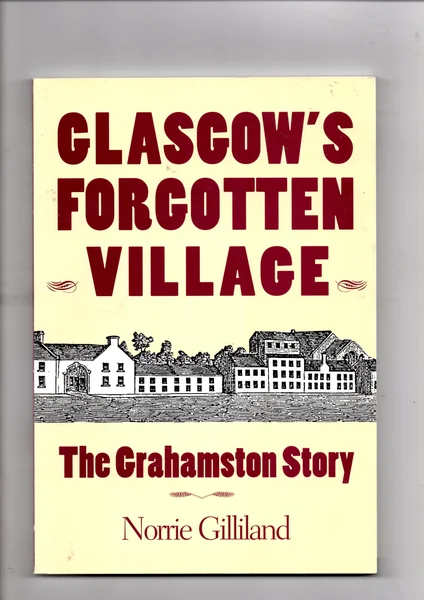
Glasgow's Forgotten Village: The Grahamston Story by Norrie Gilliland Review: A Meticulous Rescue of Lost Local History
Norrie Gilliland's Glasgow's Forgotten Village: The Grahamston Story is a local history dedicated to recovering the memory of Grahamston, the Glasgow community that disappeared beneath the foundations of Glasgow Central Station over a century ago. Published in 2002 by Grahamston Publications, it is a focused, research-driven work that will appeal strongly to enthusiasts of Scottish urban history, Glasgow heritage, and the stories hidden beneath modern city infrastructure.
LuvemBooks Verdict
Best for
Glasgow heritage enthusiasts, local historians, and urban archaeology readers who want a rigorously evidenced account of Grahamston — the community obliterated to build Glasgow Central Station.
Worth it if
You have a genuine interest in Glasgow's Victorian-era urban development or the archaeology of demolished city neighbourhoods, and are happy to engage with dense, archive-driven local history.
Skip if
You're drawn in by the urban-legend romance of a buried village but are hoping for a breezy, narrative-led read — the book's scholarly thoroughness is likely to feel demanding rather than entertaining.
What readers & critics say
LuvemBooks characterises the book as "meticulously researched" and credits it with bringing Grahamston's vanished community back to life, while noting it is "occasionally weighted down" by its own thoroughness. Goodreads data surfaced via AbeBooks records a modest 3.4 out of 5 stars across ten ratings, consistent with niche specialist appeal rather than broad crossover readership.
Sources: LuvemBooks, AbeBooksAge & Reading Level
Recommended age
Adult
Reading level
Adult
who it suits
Skip if you're looking for narrative-driven popular history rather than specialist archival local history.
In This Review
- What Works & What Doesn't
- What the Book Is and What It Covers
- Significance and Place in the Genre
- Research and Depth
- Limitations and Audience Fit
- Who This Book Is For
What Works & What Doesn't
What Works
- Dedicated to recovering a genuinely overlooked piece of Glasgow's urban history — the demolished community of Grahamston, buried beneath Glasgow Central Station
- Characterised by meticulous research, providing an evidence-based account rather than a romanticised retelling
- Addresses a subject — a vanished city neighbourhood — that mainstream publishing has largely ignored, giving it real archival value
- Self-published under Grahamston Publications, signalling an author-driven commitment to the material rather than a commercial calculation
What Doesn't
- Noted as occasionally weighted down by its own thoroughness, which may challenge readers not already invested in the subject
- A Goodreads rating of 3.4 out of 5 stars across ten ratings suggests limited crossover appeal beyond specialist local-history audiences
What the Book Is and What It Covers
Significance and Place in the Genre
Research and Depth
Limitations and Audience Fit
Who This Book Is For
Frequently Asked Questions
Sources & Further Reading
The key facts and claims in this review are grounded in the retrieved, verified sources listed below.
- Cited in this review
- 1
- Further reading
- 2
- 3
hiddenglasgow.com
- 4
- 5
grahamston.com
- 6
- 7
- 8
- 9
- 10
brownsbfs.co.uk
Related Reviews
Reviews of books we picked for readers who enjoyed Glasgow's Forgotten Village.
Reader Comments
No comments yet
Be the first to share your thoughts!