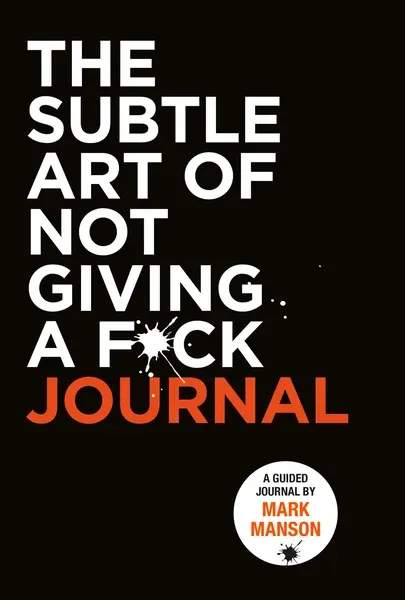
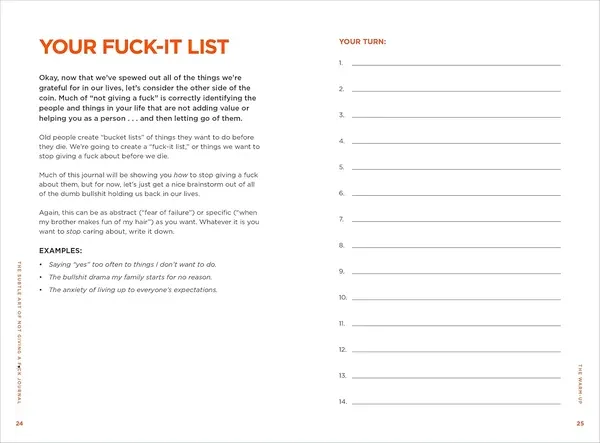
Mark Manson's follow-up journal promises to transform his bestselling philosophy into actionable practice, but is The Subtle Art of Not Giving a F*ck Journal worth it for readers who've already absorbed the original message? This interactive workbook attempts to bridge the gap between reading about counterintuitive approaches to living and actually implementing them in daily life.
Unlike traditional gratitude journals or productivity planners, Manson's journal maintains his signature irreverent tone while pushing readers to confront uncomfortable truths about their values and priorities. For those familiar with Atomic Habits or The Power of Now, this journal takes a more confrontational approach to self-reflection, challenging readers to identify what truly deserves their mental energy.
A Different Kind of Self-Help Journal
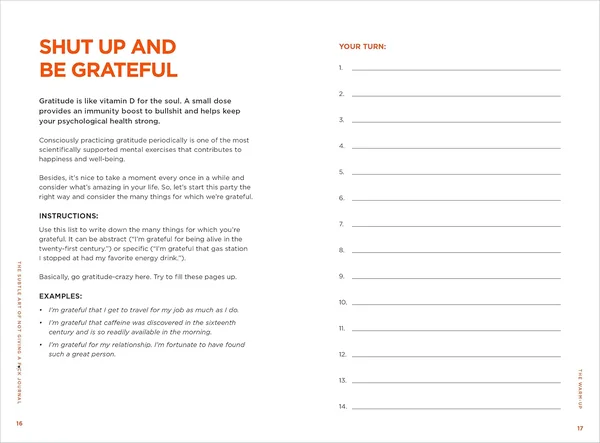
The journal abandons feel-good affirmations in favor of provocative prompts that force honest self-examination. Rather than encouraging readers to focus on everything they're grateful for, Manson's exercises push toward identifying what genuinely matters versus what society tells us should matter. The format includes structured reflection exercises, values clarification activities, and practical frameworks for decision-making.
The design reflects Manson's no-nonsense philosophy, with clean layouts that prioritize substance over aesthetic appeal. Each section builds on core concepts from the original book, translating abstract ideas about selective caring into concrete daily practices. The journal's strength lies in its refusal to coddle readers with empty positivity, instead demanding genuine introspection about personal priorities and boundaries.
Practical Exercises That Challenge Comfort Zones
The core exercises center around values identification, priority assessment, and emotional regulation techniques. Manson guides readers through processes for distinguishing between problems worth solving and those that drain energy without purpose. The journal includes frameworks for saying no, exercises for handling criticism, and structured approaches to failure and setbacks.
What sets this apart from generic self-help journals is the emphasis on discomfort as a growth tool. Rather than avoiding difficult emotions, the exercises encourage readers to sit with uncertainty and examine their reactions to challenging situations. The practical applications include decision-making matrices, relationship boundary exercises, and career/life direction assessments that cut through conventional wisdom.
However, the exercises require genuine commitment and honesty. Readers looking for quick fixes or surface-level reflection will find the journal's demands uncomfortable. The prompts assume a willingness to challenge deeply held beliefs and question motivations that many people prefer to leave unexamined.
Where It Delivers and Where It Falls Short
The journal's greatest strength is translating Manson's philosophy into actionable steps without losing the original's edge. The exercises feel authentic to his voice and avoid the saccharine tone that plagues many self-help workbooks. For readers who connected with the original book but struggled to implement its concepts, the structured format provides necessary scaffolding.
The framework for values clarification proves particularly valuable, helping readers move beyond vague aspirations to specific, measurable priorities. The sections on handling criticism and failure offer practical strategies that extend beyond the original book's theoretical discussions.
Yet the journal suffers from repetitiveness that may frustrate readers already familiar with Manson's core concepts. Some exercises feel like variations on the same theme rather than progressive skill-building. The format also assumes readers have time for regular, deep reflection—a luxury not available to everyone dealing with immediate survival concerns.
The journal works best as a complement to, rather than replacement for, the original book. Readers coming to these concepts fresh may find the exercises confusing without the foundational understanding the original text provides.
The Bottom Line on Value
This journal succeeds for readers who resonated with Manson's original philosophy but need structured guidance to implement it. The exercises demand real work and honest self-examination, making it unsuitable for casual self-help browsers seeking easy answers or motivation boosts.
The journal provides genuine value for people ready to challenge their assumptions about success, happiness, and what deserves their attention. However, readers expecting groundbreaking new insights beyond the original book will find themselves retreading familiar territory. At its best, it transforms passive reading into active practice, but the transformation requires sustained effort that many readers may abandon.
For those committed to applying Manson's counterintuitive approach to living, the journal offers practical tools that extend beyond the book's philosophy. Whether that practical application justifies the investment depends entirely on your willingness to engage with uncomfortable questions about what truly matters in your life.
Where to Buy
You can find The Subtle Art of Not Giving a F*ck Journal at Amazon, Barnes & Noble, or your local bookstore for those ready to put Manson's philosophy into structured practice.