A Framework Built on Lived Experience
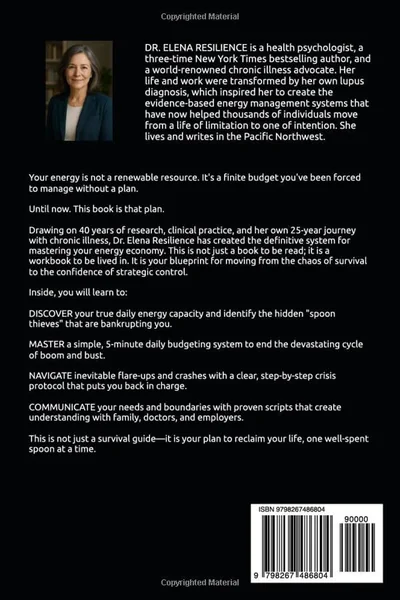
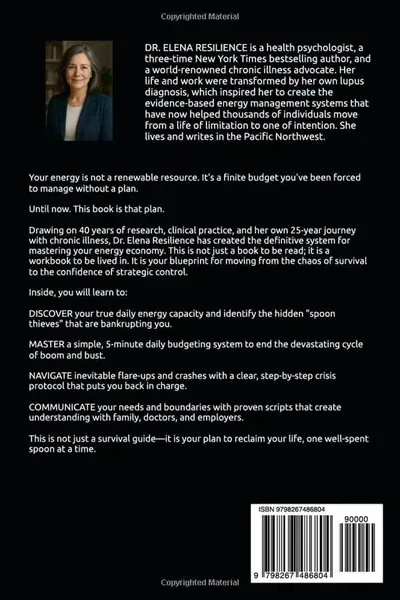
Dr. Elena Resilience structures her approach around what she terms "energy archaeology"—the process of identifying personal energy patterns, triggers, and recovery requirements. Unlike generic time management systems that assume unlimited energy reserves, this framework acknowledges the unpredictable nature of chronic conditions where yesterday's capabilities may not translate to today's reality.
The planning system itself centers on three core components: energy forecasting, task prioritization based on symptom fluctuations, and recovery scheduling. Dr. Resilience advocates for what she calls "preemptive rest"—building recovery time into daily schedules rather than treating it as an afterthought. This represents a fundamental shift from traditional productivity approaches that view rest as earned through output.
The book's strength lies in its recognition that chronic illness planning requires flexibility rather than rigid structure. Where conventional planners fail chronically ill users by demanding consistent daily routines, Dr. Elena Resilience offers modular systems that adapt to fluctuating capabilities.
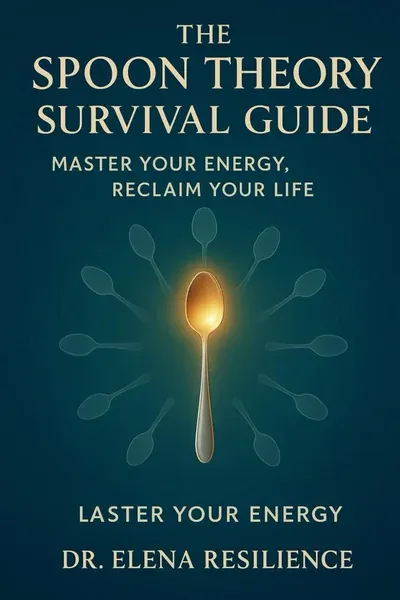
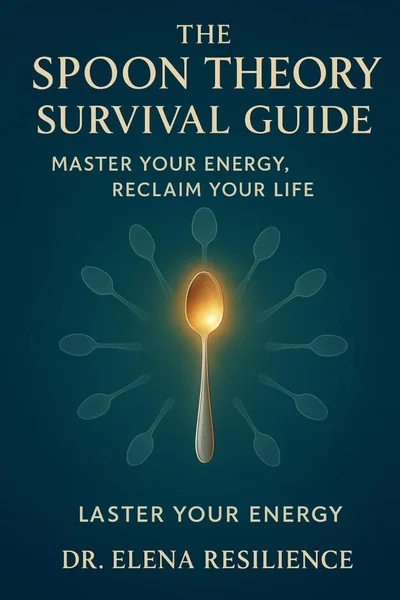
The workbook includes templates for energy tracking, symptom correlation charts, and what Dr. Resilience calls "spoon budgets"—weekly energy allocations that account for both planned activities and unexpected demands. These tools feel genuinely useful rather than theoretical, addressing the common chronic illness experience of overcommitting during good days and paying the price later.
Particularly valuable are the sections on communicating energy limitations to family, employers, and healthcare providers. Dr. Elena Resilience provides scripts and frameworks for explaining why someone might appear capable one day but struggle with basic tasks the next. This addresses a crucial gap in most chronic illness resources, which focus on personal management while neglecting the social dynamics that significantly impact daily planning.
The self-help book also tackles the psychological aspects of energy management, acknowledging the grief and frustration that accompany accepting limited capabilities. Dr. Resilience doesn't offer false optimism about "overcoming" chronic illness but instead focuses on working skillfully within constraints—a more honest and ultimately helpful approach.
Where the System Shows Its Limitations
Despite its strengths, the planning system requires significant upfront investment in tracking and analysis that may feel overwhelming to readers already struggling with daily tasks. The energy archaeology process involves weeks of detailed logging that assumes users have the cognitive capacity and motivation to maintain complex records during potentially difficult periods.
The health guide also suffers from repetitive content, particularly in the middle sections where core concepts get rehashed without adding new insights. Readers seeking quick implementation may find themselves frustrated by the extensive preliminary work required before accessing the practical planning tools.
More problematically, some recommendations feel disconnected from the realities of chronic illness economics. Suggestions for hiring household help or reducing work commitments assume financial flexibility that many chronically ill individuals simply don't possess. While Dr. Elena Resilience acknowledges these constraints in passing, the solutions remain largely theoretical for readers facing both health and financial limitations.
The Spoon Theory Survival Guide succeeds as a specialized chronic illness resource for people ready to invest serious effort in systematic energy management. Readers who have already accepted their diagnoses and are seeking structured approaches to daily planning will find valuable tools here. The book works particularly well for those with conditions like fibromyalgia, chronic fatigue syndrome, or autoimmune disorders where energy levels fluctuate unpredictably.
However, newly diagnosed individuals or those still struggling to accept their limitations may find the approach overwhelming. The system demands a level of self-awareness and commitment that develops over time rather than appearing immediately after diagnosis.
Healthcare providers working with chronic illness patients might also benefit from understanding Dr. Resilience's framework, as it offers concrete language for discussing energy management in clinical settings.
My Take
The Spoon Theory Survival Guide delivers on its promise of comprehensive daily planning for chronic illness, but success requires matching the system to your current needs and capabilities. Dr. Elena Resilience has created genuinely useful tools for energy management, even if the presentation could be more concise. For readers ready to approach their energy limitations systematically rather than reactively, this workbook offers practical value that extends beyond generic self-help platitudes.
The planning system won't cure chronic illness or eliminate the frustrations of limited energy, but it provides structure for working more skillfully within those constraints—which may be exactly what many readers need.
You can find The Spoon Theory Survival Guide at Amazon, your local bookstore, or directly from the publisher.