Breaking the Cardio Myth
Is The New Rules of Lifting for Women worth it for women tired of endless cardio sessions with minimal results? This comprehensive strength training guide by Lou Schuler, Cassandra Forsythe PhD RD, and Alwyn Cosgrove challenges everything mainstream fitness tells women about exercise and body composition. The book's central premise—that women should embrace heavy lifting to achieve their physique goals—flies in the face of decades of pink-dumbbell marketing and cardio-obsessed fitness culture.
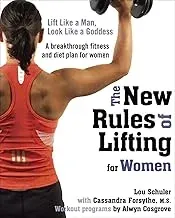
The cover design reinforces this message perfectly, featuring a woman confidently holding dumbbells rather than posed in traditional "feminine" fitness imagery. This visual choice signals the book's commitment to treating female readers as serious athletes rather than casual dieters seeking gentle workouts.
Readers familiar with Starting Strength or Strong Curves will recognize similar themes here, but Schuler and his co-authors specifically address the psychological and cultural barriers that keep women away from the weight room. Where other strength training guides assume confidence with barbells, this book acknowledges and dismantles the intimidation factor that plagues many fitness newcomers.
The Science Behind the Approach
Forsythe's PhD credentials in nutrition science lend credibility to the book's evidence-based approach to female physiology and metabolism. The authors systematically debunk common fitness myths—that lifting makes women bulky, that spot reduction works, that endless cardio burns the most fat—with research-backed explanations that respect readers' intelligence.
The nutrition guidance integrates seamlessly with the training philosophy, emphasizing adequate protein intake and strategic eating patterns that support muscle development rather than starvation-based weight loss. This represents a significant departure from typical women's fitness advice that prioritizes caloric restriction over metabolic optimization.
Cosgrove's expertise as a strength coach brings practical application to the scientific foundation. The progression from basic movement patterns to complex compound lifts follows established coaching principles while accounting for the unique challenges women face in gym environments dominated by male lifters.
Structured Programs for Real Results
The book provides six distinct workout phases spanning months of progressive training. Each program builds systematically on previous phases, introducing new movement patterns and increasing complexity as readers develop competence and confidence. The authors avoid the common mistake of overwhelming beginners with too many exercise variations or advanced techniques.
Exercise descriptions include detailed form cues and common error corrections, addressing the reality that many readers may be learning these movements without direct coaching supervision. The progression from bodyweight movements to loaded exercises acknowledges varying fitness backgrounds without patronizing experienced exercisers who may be new to strength training specifically.
Recovery and scheduling recommendations reflect understanding of real-world constraints. The programs accommodate three-day training schedules while still delivering meaningful results, recognizing that most readers balance fitness goals with work and family obligations.
Where the Approach Falls Short
The book's emphasis on gym-based training may alienate readers without consistent access to well-equipped facilities. While the authors mention alternatives, the programs clearly assume access to barbells, dumbbells, and cable machines that may not be available in basic home gym setups or budget fitness chains.
The nutrition advice, while scientifically sound, lacks the detailed meal planning and preparation guidance that many readers need to implement dietary changes successfully. Lou Schuler and his co-authors provide principles and concepts but leave readers to translate these into specific food choices and cooking strategies.
Some exercise progressions advance more quickly than conservative coaching would recommend, particularly for readers with no previous weightlifting experience. The assumption that readers will recognize when they're pushing too hard may lead to overreaching or injury in highly motivated individuals.
Worth the Investment for Serious Results
The New Rules of Lifting for Women succeeds as both educational resource and practical training guide for women ready to embrace strength training seriously. This strength training guide delivers on its promise to provide months of structured programming while addressing the psychological barriers that often derail women's fitness efforts.
This guide works best for readers with gym access who are committed to following a structured program for several months. Women looking for quick fixes or equipment-free solutions will find better options elsewhere. However, for those ready to challenge conventional wisdom about female fitness and invest time in learning proper lifting technique, Cassandra Forsythe PhD RD and her co-authors provide the framework for genuine physique transformation.
The emphasis on progressive overload and compound movements aligns with established strength training principles, making this a legitimate entry point into serious weightlifting rather than another collection of ineffective "toning" exercises. You can find The New Rules of Lifting for Women at Amazon, your local bookstore, or directly from the publisher.