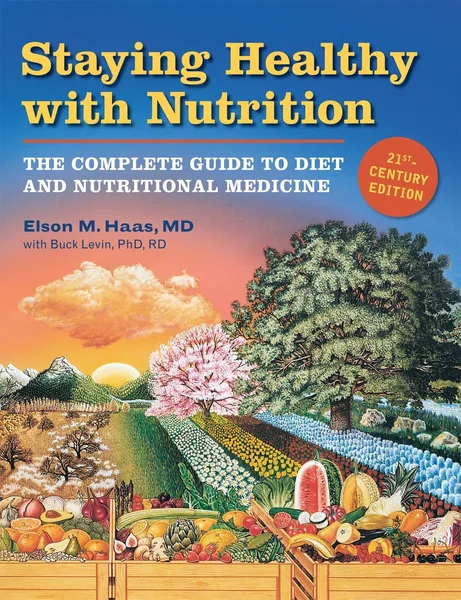
A Clinical Approach to Nutritional Healing
Haas and Levin structure their guide around the concept of nutritional medicine as a distinct medical discipline. The authors systematically build their case for using targeted nutrition to address specific health conditions, moving well beyond general dietary advice into therapeutic territory.
The book's clinical foundation becomes apparent early, as the authors present detailed nutrient profiles, deficiency symptoms, and therapeutic dosages with the precision of a medical textbook. This approach distinguishes it from more accessible nutrition guides that focus on lifestyle changes rather than specific interventions.
The comprehensive scope covers everything from basic macronutrient functions to complex interactions between nutrients and pharmaceutical medications. The authors don't simply advocate for "eating healthy" but rather present nutrition as a sophisticated tool for addressing specific health challenges.
Evidence-Based Nutritional Protocols
The strength of this guide lies in its systematic presentation of nutritional interventions for specific conditions. Rather than offering generic advice, Haas and Levin provide detailed protocols that read more like medical prescriptions than dietary suggestions.
Each nutritional recommendation includes dosage ranges, timing considerations, and potential interactions - information typically reserved for clinical practitioners. For healthcare providers or individuals managing chronic conditions, this level of detail proves invaluable. The authors back their recommendations with extensive references to peer-reviewed research, lending credibility to their therapeutic claims.
However, the technical nature that makes this book valuable for practitioners can overwhelm casual readers. The dense presentation of biochemical pathways and nutrient interactions requires sustained attention and often background knowledge in health sciences.
Practical Implementation Challenges
While the book excels at presenting the science behind nutritional medicine, it struggles with practical application for everyday readers. The main weakness lies in translating complex protocols into manageable daily routines for people without clinical training.
The authors provide extensive lists of therapeutic nutrients and dosages but offer limited guidance on meal planning, food preparation, or gradual implementation strategies. This creates a significant gap between understanding what nutrients the body needs and actually incorporating those recommendations into real life.
**Unlike books like *The Blue Zones Kitchen*** which focus on accessible lifestyle changes, this guide assumes readers will work with healthcare practitioners to implement its recommendations. For self-directed readers, the clinical approach can feel overwhelming and impractical.
Who Benefits Most From This Approach
This guide works best for healthcare practitioners, nutrition students, or individuals managing specific chronic conditions who want detailed therapeutic protocols. The comprehensive nutrient profiles and condition-specific recommendations provide valuable reference material for clinical decision-making.
Serious health enthusiasts who enjoy technical material will appreciate the depth and scientific rigor. If you're someone who reads supplement labels carefully and wants to understand the biochemical rationale behind nutritional recommendations, this book delivers that level of detail.
However, it's not recommended for beginners seeking simple dietary improvements or busy individuals looking for quick health fixes. The technical language and clinical approach require significant time investment and often professional guidance for safe implementation.
The Bottom Line on Nutritional Medicine
Staying Healthy with Nutrition succeeds as a comprehensive reference for nutritional medicine but falls short as a practical guide for general readers. The extensive research base and detailed protocols make it valuable for healthcare providers and motivated individuals managing specific health conditions.
The clinical approach, while scientifically sound, creates barriers for everyday application. Most readers will benefit more from working with a qualified practitioner who can translate these protocols into personalized recommendations rather than attempting self-directed implementation.
For serious students of nutrition or healthcare providers seeking detailed therapeutic protocols, this guide represents a solid investment. However, general readers looking for accessible nutrition advice might find better value in more practical approaches to healthy eating.