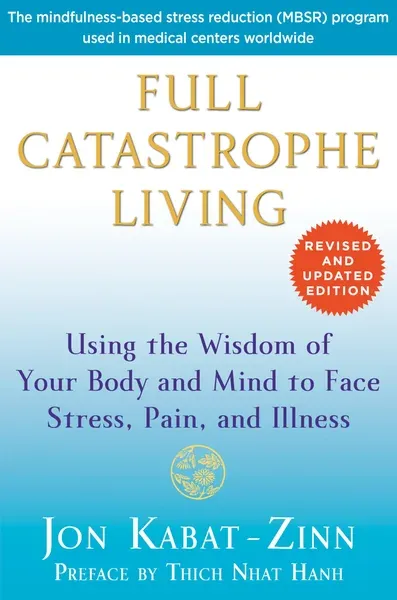
The Medical Foundation Behind the Methods
What distinguishes Full Catastrophe Living from typical mindfulness guides is its clinical origins. Kabat-Zinn developed MBSR specifically for patients dealing with chronic pain, serious illness, and overwhelming stress—people for whom generic relaxation techniques simply weren't enough. The program emerged from working with individuals facing genuine medical crises, not just everyday stress.
The author presents mindfulness not as spiritual practice but as practical medicine. His background as a molecular biologist gives the book credibility that many meditation guides lack. Rather than promising miraculous transformations, Kabat-Zinn focuses on measurable improvements in pain tolerance, stress hormone levels, and immune function.
This medical grounding becomes the book's greatest strength. Where other mindfulness authors make sweeping claims about consciousness and enlightenment, Kabat-Zinn stays focused on what the research actually demonstrates.
The Eight-Week MBSR Program Structure
The heart of the book lies in its systematic eight-week program, which forms the backbone of MBSR training worldwide. Kabat-Zinn breaks down each week's focus, from basic breathing awareness to advanced body scan techniques. The progression feels deliberately paced—not rushed like many quick-fix approaches, but not so slow that readers lose momentum.
Each week builds specific skills: mindful breathing, body awareness, gentle yoga, walking meditation, and dealing with difficult emotions. The exercises aren't mystical rituals but practical tools designed for real-world application. A stressed executive can use the breathing techniques during meetings; someone with chronic pain can apply body scan methods during flare-ups.
The structured approach works particularly well for people who need concrete steps rather than abstract philosophy. However, this methodical pace may frustrate readers seeking immediate relief or those already familiar with meditation basics.
Scientific Evidence and Real-World Applications
Kabat-Zinn excels at translating research into understandable terms without dumbing down the science. He presents studies on meditation's effects on brain structure, immune response, and pain perception, but always connects findings back to practical applications. The book includes compelling case studies from the Stress Reduction Clinic, showing how patients with conditions ranging from anxiety disorders to cancer found measurable relief through MBSR.
The evidence presented feels substantial rather than cherry-picked. Kabat-Zinn acknowledges limitations in mindfulness research while making a compelling case for the approach's effectiveness. For readers skeptical of meditation's benefits, this scientific grounding provides necessary credibility.
However, the book's clinical focus means less attention to mindfulness's broader philosophical dimensions. Readers seeking deeper spiritual insight might find the medical framing somewhat restrictive.
Where the Approach Shows Its Age
Despite the revised edition's updates, some aspects of Full Catastrophe Living feel dated compared to newer mindfulness approaches. The language occasionally sounds clinical to the point of sterility—understandable given its medical origins, but potentially off-putting for readers seeking warmer, more accessible guidance.
The book also reflects an earlier era of mindfulness teaching, before apps and online programs made meditation more immediately accessible. Some readers may find the eight-week commitment daunting compared to shorter, more flexible approaches available today. The exercises, while effective, require significant time investment that busy readers might struggle to maintain.
Additionally, Kabat-Zinn's approach, while scientifically sound, can feel somewhat rigid. The program works best when followed systematically, which doesn't suit everyone's learning style or life circumstances.
Who Benefits Most from This Approach
ull Catastrophe Living** serves specific audiences exceptionally well. People dealing with chronic health conditions will find the medical validation particularly valuable—this isn't just stress relief but legitimate therapeutic intervention. Healthcare professionals appreciate the evidence-based foundation and systematic methodology.
The book also works well for skeptics who need scientific justification before embracing mindfulness practices. Kabat-Zinn's credentials and research focus provide the rational framework that converts doubters into practitioners.
However, readers seeking quick stress relief or spiritual exploration might find better matches elsewhere. Like Atomic Habits for behavior change, this book requires commitment and systematic practice to deliver results. Those wanting immediate techniques without deeper engagement should look to shorter, more accessible guides.