A World Where Nature Speaks
The novel's environmental consciousness emerges organically from the storytelling rather than feeling preachy or didactic. Hayford presents nature not as a backdrop but as an active participant in the protagonist's journey of self-discovery. The blue bottle tree serves as a focal point for themes of preservation, wonder, and the delicate balance between human development and environmental stewardship.
The setting comes alive through Hayford's descriptive prose, which captures both the beauty and fragility of natural spaces. The writing strikes an ideal balance for middle grade readers - sophisticated enough to challenge growing vocabularies while remaining clear and engaging. The author's background in environmental advocacy subtly informs the narrative without overwhelming the story's emotional core.
Hayford's Lyrical Approach
The prose style demonstrates remarkable restraint and elegance, avoiding the tendency toward overwrought description that sometimes plagues environmental fiction. Hayford writes with a voice that stays with you, using sensory details to immerse readers in the protagonist's world without sacrificing narrative momentum. The pacing allows for quiet moments of reflection while maintaining enough forward movement to keep younger readers engaged.
The dialogue feels authentic to the age group, capturing the way middle schoolers actually speak without resorting to forced slang or overly mature conversations. Hayford particularly excels at depicting the internal landscape of a young person discovering their place in the larger world, balancing introspection with external action in ways that feel natural rather than forced.
Growing Through Connection
The character development unfolds gradually, allowing readers to grow alongside the protagonist as they navigate questions of identity, responsibility, and belonging. The relationships feel genuine and complex, avoiding simple categorizations of good and bad characters in favor of more nuanced portrayals that reflect real-world complexity.
Supporting characters each serve distinct purposes in the protagonist's journey, representing different approaches to environmental stewardship and personal growth. The adult figures in particular demonstrate respect for young people's capacity for understanding complex issues, neither talking down to readers nor overwhelming them with concepts beyond their developmental reach.
Themes That Resonate
The environmental message emerges through story rather than sermon, making it more likely to stick with young readers long after they close the book. Hayford explores themes of individual responsibility within larger systems, showing how one person's actions can ripple outward to create meaningful change. The blue bottle tree becomes a metaphor for perseverance and hope, demonstrating how something beautiful can thrive even in challenging circumstances.
The coming-of-age elements interweave seamlessly with the environmental themes, suggesting that caring for the natural world and caring for oneself are fundamentally connected. This approach works particularly well for middle grade readers who are beginning to understand their own agency in the world while still maintaining the wonder and curiosity that makes environmental education most effective.
Where It Occasionally Stumbles
While the novel succeeds in most areas, it occasionally suffers from pacing issues in the middle sections where the environmental education aspects slow down the narrative momentum. Some readers may find certain passages overly descriptive, particularly when Hayford lingers on natural imagery at the expense of character development or plot advancement.
The resolution feels somewhat rushed compared to the careful buildup of earlier chapters, leaving some character arcs feeling incomplete. Additionally, while the environmental themes are generally well-integrated, there are moments where the advocacy becomes more obvious than organic to the story's flow.
A Worthwhile Journey
The Song of the Blue Bottle Tree succeeds as both environmental literature and middle grade fiction, offering young readers a story that respects their intelligence while providing genuine entertainment. Hayford's debut demonstrates promising talent for balancing message with story, creating characters that feel real and situations that resonate beyond the final page.
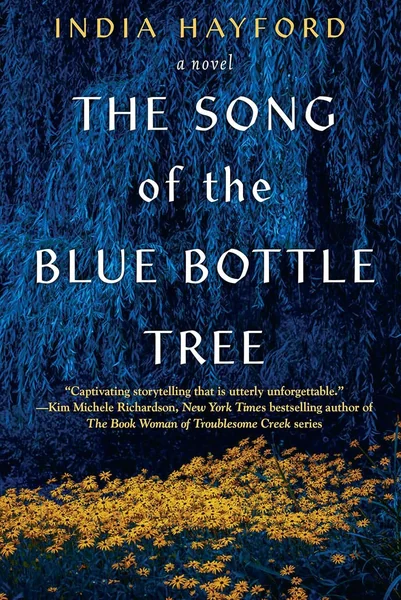
This book works best for readers aged 10-14 who enjoy quieter, more contemplative stories rather than action-packed adventures. Parents and educators will appreciate the thoughtful approach to environmental themes, while young readers will connect with the authentic portrayal of growing up and finding one's place in the world. The beautiful cover design accurately reflects the gentle, nature-centered tone within.