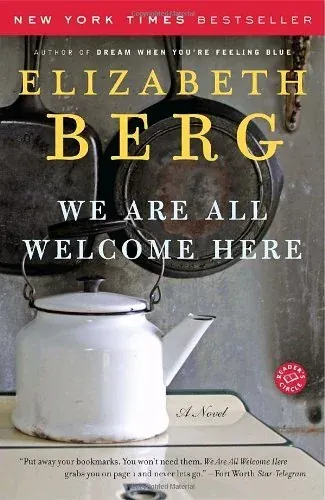
A Mother's Fierce Love
The heart of this novel lies in its portrayal of maternal devotion under extraordinary circumstances. The mother character emerges as a complex figure—neither saint nor victim, but a woman determined to create normalcy for her family despite overwhelming obstacles. Berg avoids the trap of sentimentality, instead presenting a mother whose love manifests through practical decisions and daily acts of courage.
The daughter's perspective provides the emotional core of the narrative, capturing the particular burden children face when their parents struggle with serious illness. Berg handles this delicate dynamic with nuance, showing how family roles can shift and evolve when circumstances demand it.
Berg's Precise Emotional Craft
Elizabeth Berg writes with the kind of understated elegance that makes difficult emotions feel accessible rather than overwhelming. Her prose style avoids melodrama while still honoring the genuine pain and joy her characters experience. The dialogue feels natural and unforced, capturing the rhythms of real family conversation.
The pacing allows readers to fully inhabit the world Berg creates without rushing toward dramatic peaks. This measured approach serves the story well, as the novel's power comes from accumulated moments rather than singular events.
Small Town, Big Hearts
The community setting plays a crucial role in shaping the narrative. Berg presents a 1960s small town with both its limitations and its capacity for unexpected kindness. The neighbors and community members feel like real people rather than plot devices, each carrying their own motivations and blind spots.
The novel explores how communities can both support and fail the families within them, examining the complex social dynamics that determine who receives help and who faces judgment.
Where Sentiment Meets Reality
While Berg generally handles her material with skill, the novel occasionally veers toward overly neat resolutions that feel slightly manufactured. Some secondary characters could benefit from deeper development, as they sometimes serve the plot more than they inhabit it fully.
The historical setting, while generally well-rendered, occasionally feels more like backdrop than integral element. Readers expecting deep period detail may find themselves wanting more specific cultural context.
Perfect for readers who appreciate character-driven fiction that explores family dynamics without resorting to easy answers. This novel works particularly well for those drawn to stories about resilience that acknowledge real difficulty without wallowing in it.
The reading level suits adult audiences comfortable with literary fiction's measured pace and emotional complexity. Not recommended for readers seeking fast-paced plot-driven narratives or those who prefer more explicit historical detail.