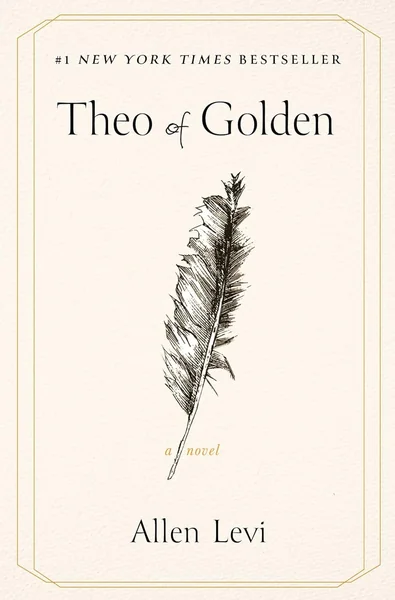
A Portrait of Golden and Its Residents
The novel unfolds in the fictional town of Golden, where the protagonist grapples with questions of identity against a backdrop of changing community dynamics. Levi constructs his setting with careful attention to detail, creating a place that feels lived-in rather than merely described. The town becomes almost a character itself, with its own rhythms and secrets that shape the lives of its inhabitants.
The narrative structure allows for a gradual revelation of both character and place, building tension not through dramatic plot devices but through the accumulated weight of daily experiences and unspoken histories. This approach requires patience from readers, but rewards those willing to invest in a slower-paced storytelling style.
Levi's Understated Prose
Allen Levi writes with a restraint that serves the material well. His prose style favors precision over flourish, creating sentences that carry emotional weight without drawing attention to themselves. The author demonstrates particular skill in capturing the rhythms of everyday conversation and the internal monologue that accompanies life's quieter moments.
Where the writing succeeds most is in its ability to find significance in seemingly mundane encounters. Levi has an eye for the small gestures and passing comments that reveal character depth, building his narrative through accumulation rather than grand revelation. However, this approach occasionally tips into territory that feels underdeveloped, particularly in the novel's middle section where the pacing slows noticeably.
The Heart of Character Development
The protagonist's journey forms the emotional core of the novel, though character names were not verified in available metadata. The central figure wrestles with questions of belonging and purpose that will resonate with readers who have experienced geographic or emotional displacement. Supporting characters emerge as fully realized individuals rather than mere plot devices, each carrying their own motivations and contradictions.
Levi demonstrates particular strength in depicting intergenerational relationships and the ways past decisions continue to influence present circumstances. The dynamics between younger and older residents of Golden create some of the novel's most compelling moments, revealing how communities both nurture and constrain individual growth.
Themes of Identity and Place
The central themes revolve around the tension between personal desires and community expectations, explored through the lens of a protagonist caught between worlds. Levi examines how geography shapes identity and whether it's possible to outgrow one's origins without losing essential parts of oneself.
The novel also grapples with questions of authenticity in an era of increasing mobility and choice. Characters must decide whether staying true to their roots means remaining physically rooted or if personal growth requires geographical and emotional distance. These themes feel particularly relevant for contemporary readers navigating similar questions about home, belonging, and self-determination.
Where the Novel Stumbles
While "Theo of Golden" succeeds as a character study, it suffers from pacing issues that may frustrate readers seeking more traditional narrative momentum. The main weakness lies in the novel's middle third, where character introspection occasionally overwhelms forward movement. Some scenes feel extended beyond their natural conclusion, testing reader patience without adding proportional insight.
The resolution, while emotionally satisfying, arrives somewhat abruptly after the novel's deliberate pace throughout earlier sections. This tonal shift creates a sense of imbalance that undermines the careful buildup Levi establishes in the opening chapters.
Worth the Literary Investment
Is "Theo of Golden" worth reading? For readers who appreciate literary fiction that prioritizes character development over plot mechanics, this novel offers genuine rewards. Levi's thoughtful exploration of identity and place creates space for reflection that lingers beyond the final page. The book works best for readers who enjoy contemplative narratives and aren't seeking action-driven storytelling.
However, those preferring faster-paced fiction or clear resolution to narrative conflicts may find the experience frustrating. The novel demands active engagement from readers willing to appreciate subtlety over dramatic revelation.