BOOKS
Published
Read Time
5 min read
Our Rating
4.2
A sophisticated character study that transforms Cinderella's stepmother into a complex, flawed protagonist wrestling with loss, motherhood, and limited choices in a patriarchal society.
Reviewed by
LuvemBooks
Share This Review
Lady Tremaine by Rachel Hochhauser: A Dark Cinderella Retelling - Review
Our Rating
4.2
A sophisticated character study that transforms Cinderella's stepmother into a complex, flawed protagonist wrestling with loss, motherhood, and limited choices in a patriarchal society.
In This Review
- What Works & What Doesn't
- A Portrait in Shades of Gray
- Elegant Prose with Emotional Depth
- The Women of the Household
- Themes of Motherhood and Survival
- Where the Glass Slipper Doesn't Quite Fit
- A Nuanced Addition to Villain Retellings
What Works & What Doesn't
What Works
- Nuanced character development that avoids simple villain rehabilitation
- Elegant, measured prose style that matches the story's sophisticated themes
- Thoughtful exploration of how trauma and societal limitations shape women's choices
- Strong sense of historical and social context grounding the fairy tale elements
- Generates meaningful discussion about family dynamics and moral complexity
What Doesn't
- Rushed conclusion that doesn't quite match the careful pacing of earlier chapters
- May disappoint readers expecting magical elements or lighter fairy tale treatment
- The realistic approach sometimes feels at odds with the fantastical source material
A Portrait in Shades of Gray
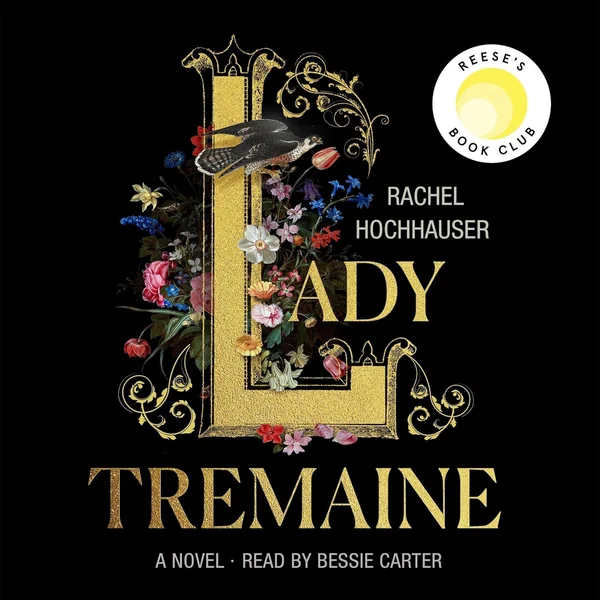
A villain origin story that earns its sympathy without begging for it — Hochhauser's Lady Tremaine is one of the sharper character studies in recent fairy tale revisionism. Hochhauser's Lady Tremaine emerges not as a mustache-twirling antagonist but as a woman shaped by circumstance and loss. The author traces Lady Tremaine's journey from a young widow thrust into financial precarity to the calculating stepmother of fairy tale infamy. This transformation feels earned rather than excused—Hochhauser never asks readers to forgive Lady Tremaine's cruelties, but she helps us understand their origins.
The narrative structure alternates between past and present, revealing how each disappointment and betrayal hardens Lady Tremaine's heart. The main strength lies in Hochhauser's refusal to offer easy redemption. Lady Tremaine remains deeply flawed, her love for her biological daughters genuine but her treatment of Cinderella inexcusably harsh.
Elegant Prose with Emotional Depth
Hochhauser writes with a measured elegance that matches Lady Tremaine's carefully maintained facade. The prose carries weight without becoming ponderous, and the author demonstrates particular skill in revealing character through action rather than exposition. The writing style feels sophisticated enough for adult readers while remaining accessible to mature young adult audiences.
The pacing builds deliberately, mirroring Lady Tremaine's gradual descent from hopeful young bride to bitter guardian. Hochhauser excels at capturing the suffocating atmosphere of a household built on resentment and disappointed dreams.
The Women of the Household
Lady Tremaine anchors the novel as a protagonist who defies simple categorization. Her fierce protectiveness toward Drizella and Anastasia coexists uneasily with her cruel indifference to Cinderella. Hochhauser portrays this favoritism not as inherent evil but as the natural result of a woman who has learned to hoard love like a finite resource.
Cinderella appears less frequently but makes each scene count. Rather than the passive victim of traditional tellings, she emerges as quietly resilient, finding ways to maintain her dignity despite systematic mistreatment. Drizella and Anastasia receive more nuanced treatment than usual, each struggling with their mother's impossible expectations in different ways.
Themes of Motherhood and Survival
The central theme explores how women's limited options in patriarchal societies can twist maternal love into something possessive and destructive. Lady Tremaine's desperation to secure advantageous marriages for her daughters drives many of her worst decisions — yet Hochhauser frames this as understandable, even logical, within the novel's social world.
The book also examines how trauma moves between generations. Lady Tremaine unconsciously repeats the emotional withholding she experienced in her own childhood, and Hochhauser makes that repetition feel inevitable rather than convenient.
Where the Glass Slipper Doesn't Quite Fit
The main weakness emerges in the novel's final act, where Hochhauser seems uncertain whether to fully embrace Lady Tremaine's darkness or provide last-minute redemption. The conclusion feels somewhat rushed after the careful character development of earlier chapters, and some readers may find the ending either too forgiving or not forgiving enough.
Additionally, while the realistic approach serves the story well, readers expecting magical elements or fairy tale whimsy may feel disappointed. This is decidedly an adult examination of a children's story, complete with discussions of financial anxiety, sexual politics, and emotional abuse.
A Nuanced Addition to Villain Retellings
Highly recommended for readers who appreciate character-driven literary fiction with fairy tale elements. Hochhauser has created something rarer than a simple villain rehabilitation — a character study that holds Lady Tremaine accountable and makes her comprehensible at the same time.
Perfect for book clubs seeking discussion-worthy material about family dynamics, women's choices, and moral ambiguity. The Reese's Book Club selection makes perfect sense; this novel offers exactly the kind of nuanced storytelling that generates passionate conversation.
Not recommended for readers seeking light escapism or traditional fairy tale magic. This is a demanding, sometimes uncomfortable examination of how people become the worst versions of themselves.
Related Reviews
Reviews of books we picked for readers who enjoyed Lady Tremaine.