8 min read
4.6
· 8,898 Amazon ratingsShare This Review
Hogfather: Discworld, Book 20 by Terry Pratchett Review: A Dark, Witty Hogswatch Classic
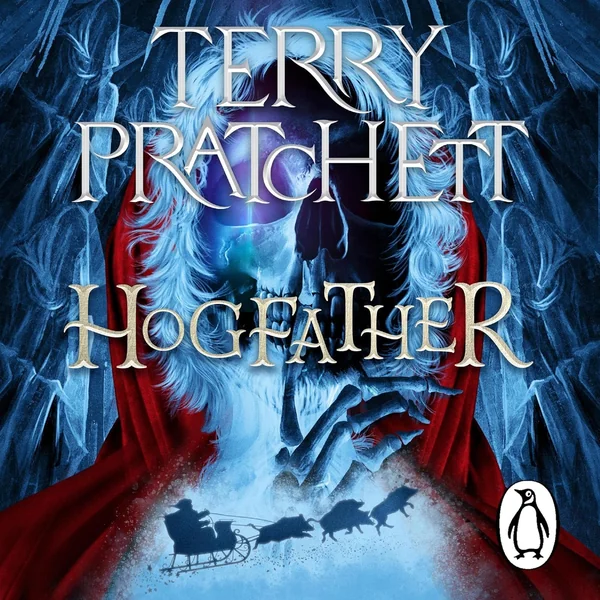
Hogfather is Terry Pratchett's twentieth Discworld novel, originally published in 1996 by Victor Gollancz and now available as an audiobook from Transworld Digital, narrated by Sian Clifford, Bill Nighy, and Peter Serafinowicz. A 1997 British Fantasy Award nominee that placed in the BBC's The Big Read survey, it remains one of the most celebrated entries in the long-running series — a festive, philosophically charged adventure in which Death himself must step in to save belief in the Discworld's Father Christmas equivalent, the Hogfather, while his granddaughter Susan Sto Helit battles the sinister assassin Mr. Teatime. This review is based on the book's contents and published reception, not hands-on use of the audiobook.
LuvemBooks Verdict
Best for
Readers who enjoy fantasy comedy with genuine philosophical depth — particularly those drawn to questions about myth, belief, and the stories societies tell themselves, delivered through Pratchett's darkly satirical Discworld lens.
Worth it if
You want a festive Discworld entry that rewards thinking as much as laughing, with two of the series' most distinctive characters — the practically-minded Susan Sto Helit and the genuinely unsettling Mr. Teatime — anchoring a story about why human beings need their myths.
Skip if
You're after a light, joke-a-minute Christmas comedy rather than Pratchett in a more reflective, philosophically weighted mode — one contemporary notice described it as him "ticking over, rather than revving his joke engine hard."
What readers & critics say
Reviewer voices at douxreviews.com place Hogfather among Pratchett's finest, calling it "one of those that just rises even higher than most" in the Discworld sequence. At eyrie.org, the novel is praised for delivering an unusually effective and creepy villain in Teatime alongside the reliably compelling Susan, with Death's Hogswatch stand-in role described as "brilliant."
Sources: Doux Reviews, Eyrie.org, Fanfi Addict, Reading BugAsk LuvemBooks
Was this helpful?
- Is it worth reading?
- Hogfather is widely regarded as one of Pratchett's most enduring works — a 1997 British Fantasy Award nominee and one of fifteen Pratchett titles to appear in the BBC's The Big Read survey of the most loved British books of all time. Its philosophical ambition, distinctive characters in Susan Sto Helit and Mr. Teatime, and its ability to hold genuine inquiry and sharp comedy in simultaneous suspension make it a standout entry in the forty-one-book series. One contemporary notice acknowledged that it shows 'Pratchett ticking over, rather than revving his joke engine hard,' which is a fair caveat for readers whose primary interest is joke density — but even in a lower gear, the craft is considerable.
- Similar books
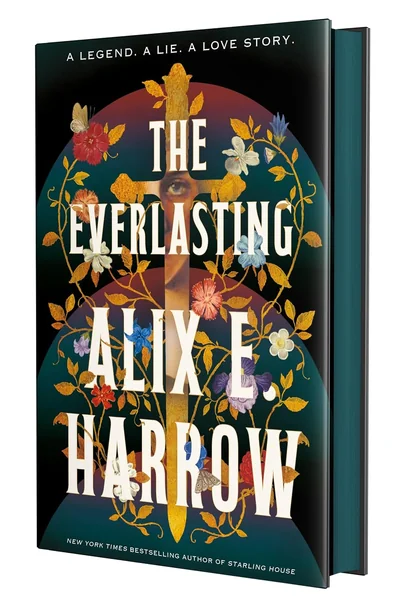
- Readers drawn to Hogfather's blend of dark comedy, Death-adjacent mythology, and philosophical underpinning will find strong companions in the Discworld series itself. Mort — Pratchett's fourth Discworld novel and the book that introduced Death as a protagonist — is the natural starting point for the Death sub-series that Hogfather belongs to, and LuvemBooks has it in catalogue. Soul Music, another entry in the Death sub-series featuring Susan Sto Helit, shares Hogfather's preoccupation with what happens when cosmic forces interact with human culture. Outside Discworld, The Everlasting by Alix E. Harrow (in our catalogue) offers a similarly mythic, emotionally grounded approach to the power of story and belief. Carpe Jugulum and Good Omens (co-written with Neil Gaiman) round out the thematic neighbourhood for readers who want more Pratchett at his darkly comic best.
- Who should read this?
- Hogfather is best suited to adult readers who enjoy fantasy that takes ideas seriously — particularly those interested in the function of myth, belief, and shared cultural stories. Existing Discworld fans will recognise it as a particularly substantive instalment in the Death sub-series, and readers new to Pratchett will find it an accessible standalone entry point despite its place as the twentieth book. It rewards readers who appreciate darkly comic fiction with genuine philosophical stakes alongside the humour, rather than those seeking a purely joke-forward seasonal read.
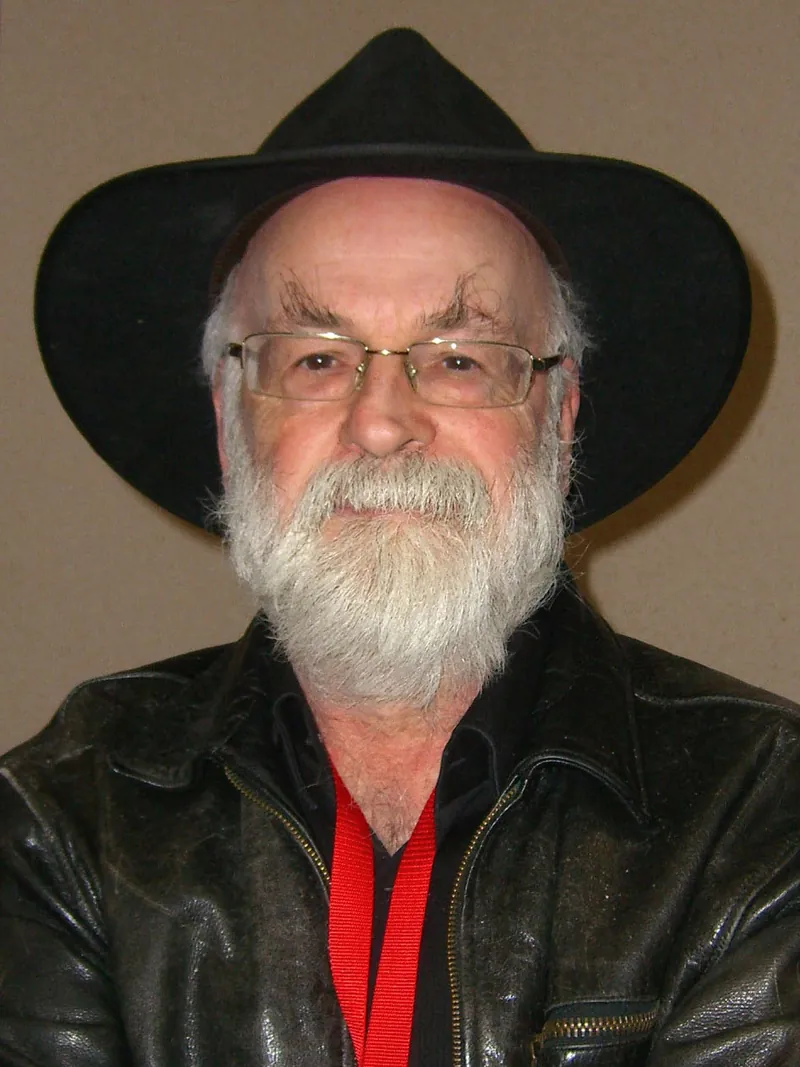
- About Terry Pratchett
- Terry Pratchett was a beloved British fantasy author best known for his Discworld series, celebrated for his satirical wit and having sold over 85 million books worldwide.
- Tell me about the adaptation
- Hogfather was adapted into a two-part television production broadcast on Sky One in December 2006. Ian Richardson voiced Death, Michelle Dockery played Susan Sto Helit, and Marc Warren took on the role of Mr. Teatime. Terry Pratchett himself appeared in a cameo as a toy-maker. The adaptation closely follows the novel's central premise and was produced with Pratchett's involvement.
- Where does it fit in the Death sub-series?
- Hogfather is the fourth novel in Discworld's Death sub-series, following Mort, Reaper Man, and Soul Music. It features Susan Sto Helit — Death's granddaughter and a recurring character introduced in Soul Music — as its central protagonist alongside Death himself. Despite being the twentieth Discworld book overall, it is officially designated as readable in any order, so no prior reading is required.
- How does it compare to other Pratchett novels?
- Hogfather is considered one of Pratchett's most thematically ambitious Discworld entries — its sustained meditation on belief and myth goes further than much of the series in pursuing a single philosophical argument. One contemporary notice described it as showing 'Pratchett ticking over, rather than revving his joke engine hard,' which places it as less joke-dense than some other Discworld outings. Among the reviewed titles, Mort offers a lighter introduction to the Death sub-series, while Soul Music shares Hogfather's interest in what happens when cosmic forces collide with human culture.
Summarize this book
Follow up
Synthesized from verified book data & published reviews · How we review
Press Enter to ask. Answers come from our editorial Q&A — start typing to see related questions.
Age & Reading Level
Recommended age
Adult
Reading level
Adult
Skip if You're looking for a light, joke-dense seasonal comedy with no philosophical weight.
Our Review
What the Story Is and Does
The Central Argument: Why Belief Matters
Place in the Discworld Series and Its Legacy
Strengths: Craft, Comedy, and Character
The Audiobook Edition and Who It Suits
Sources & Further Reading
The key facts and claims in this review are grounded in the retrieved, verified sources listed below.
- 1
Terry Pratchett, Wikipedia
Books like Hogfather
Curated picks for readers who enjoyed Hogfather, with our reasoning for each match.
More by Terry Pratchett
If you liked Hogfather