Middle School Through Greg's Eyes
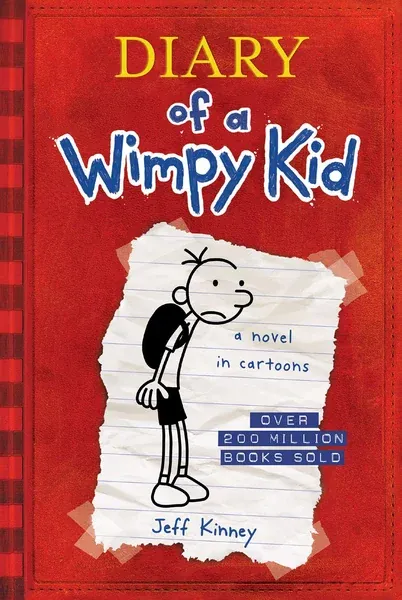
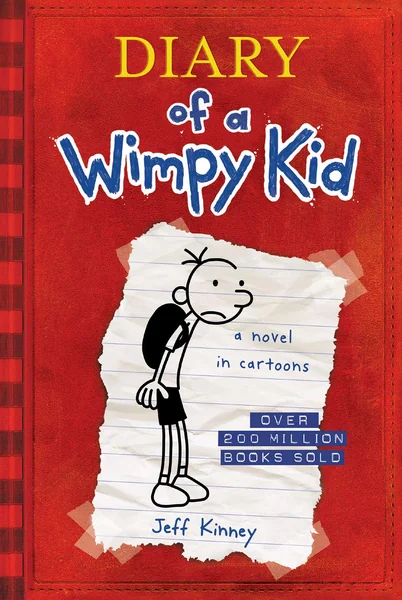
Is Diary of a Wimpy Kid appropriate for middle school readers navigating their own social struggles? Jeff Kinney's genre-defining series opener strikes a perfect balance between humor and authenticity that has made it a classroom staple. The book's unique hybrid format—combining simple illustrations with diary-style text—creates an accessible entry point for reluctant readers while delivering genuine insights about the middle school experience.
Greg Heffley's narrative voice captures the self-centered yet vulnerable mindset of a typical sixth grader with remarkable accuracy. Jeff Kinney doesn't romanticize this age group; instead, he presents Greg as refreshingly flawed—sometimes selfish, often delusional about his own popularity, yet ultimately relatable in his desire to fit in and avoid embarrassment.
Kinney's Cartoon-Style Storytelling
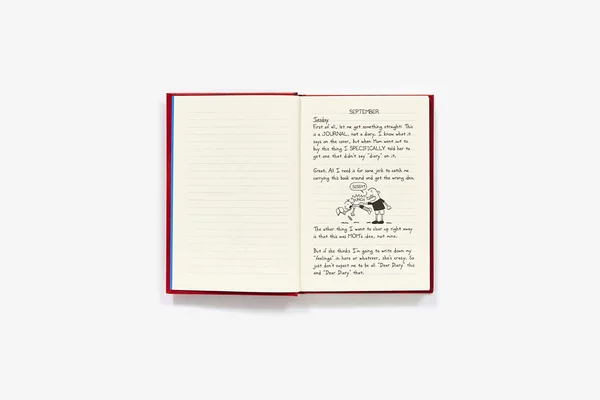
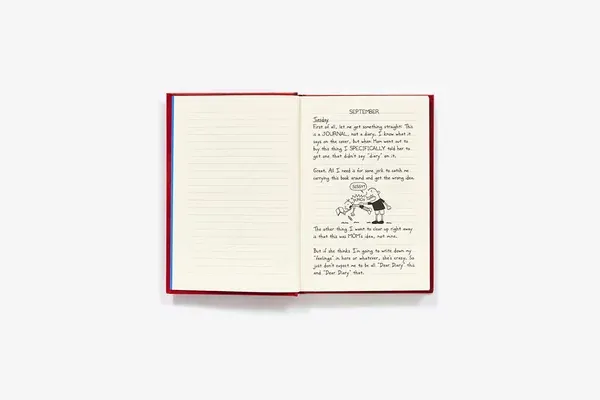
The book's visual format sets it apart from traditional middle-grade fiction. Jeff Kinney's stick-figure illustrations aren't just decorative—they're integral to the storytelling, often providing punchlines or visual gags that complement the text. This comic-strip influence makes complex social situations more digestible for younger readers while maintaining sophisticated humor that doesn't talk down to its audience.
The diary format allows Kinney to present events through Greg's biased perspective, creating natural comedy through unreliable narration. Greg consistently misinterprets social cues and overestimates his own cleverness, leading to situations where readers understand more than the narrator does—a technique that adds layers of humor for different age groups.
Greg and Middle School Dynamics
Greg Heffley emerges as a masterfully crafted antihero whose flaws make him more authentic than typical middle-grade protagonists. His friendships and social interactions provide the book's emotional core while highlighting the complex social dynamics of middle school.
The supporting cast of middle schoolers feels remarkably true to life, from the intimidating older kids to the social hierarchies that seem monumentally important within school walls. Jeff Kinney avoids stereotypes by showing how these social dynamics shift and change, often in petty or arbitrary ways that mirror real middle school experiences.
Navigating Friendship and Social Status
The central themes revolve around authentic middle school concerns: maintaining friendships while climbing social ladders, dealing with embarrassment, and the exhausting effort of trying to appear "cool." Kinney treats these concerns with appropriate seriousness rather than dismissing them as trivial childhood worries.
The book's exploration of loyalty versus social advancement feels particularly relevant. Greg's interactions throughout the story raise genuine moral questions about friendship and personal integrity, making this Jeff Kinney book more than simple entertainment. Young readers recognize these ethical dilemmas from their own lives, creating opportunities for meaningful discussion.
When Humor Hits Too Close to Home
While the book's authenticity is generally its strength, some parents and educators have noted that Greg's behavior occasionally crosses into genuinely mean-spirited territory. His self-serving decision-making can be uncomfortable to watch, even when played for laughs.
The book's episodic structure, while accessible, sometimes feels scattered compared to more tightly plotted middle-grade novels. Some critics argue that Greg's character growth is minimal, though this static quality might actually reflect the reality of how slowly genuine maturity develops at this age.
A Gateway to Reading
Despite its flaws, Diary of a Wimpy Kid succeeds brilliantly as a bridge book for reluctant readers. The combination of visual elements and straightforward prose creates an achievable reading experience that builds confidence. Many educators report that students who struggle with traditional novels find success with Jeff Kinney's format, often leading them to explore other books.
The book works equally well for independent reading and family sharing, with humor that operates on multiple levels. Parents reading along will catch references and social observations that younger readers might miss, making it an excellent choice for family book discussions.
For middle schoolers facing their own social navigation challenges, Greg's adventures provide both entertainment and reassurance that these awkward years are universally challenging. The book doesn't offer easy solutions, but it validates the genuine difficulty of growing up.