A Celebration of Scientific Trailblazers
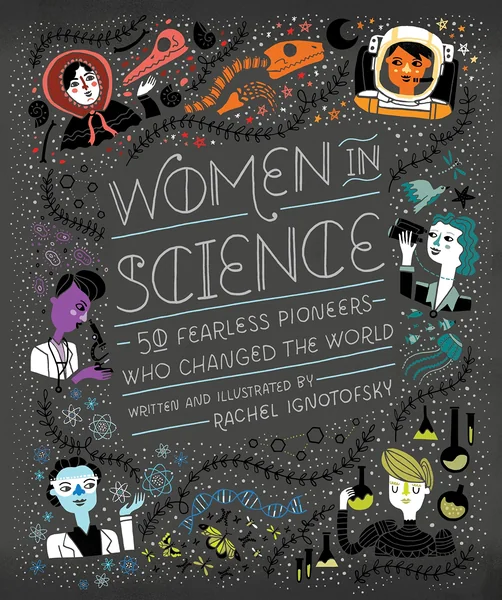
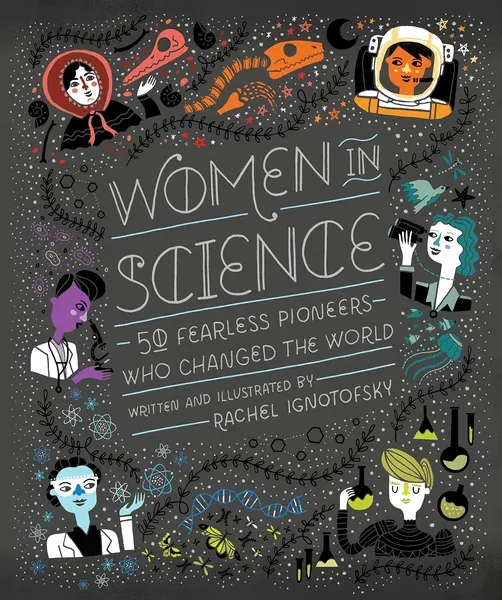
Rachel Ignotofsky's "Women in Science: 50 Fearless Pioneers Who Changed the World" transforms what could have been a dry historical catalog into a vibrant, accessible tribute to female scientific achievement. Published in 2016, this illustrated non-fiction work tackles the significant gap in how we teach children about scientific history – namely, the systematic omission of women's contributions. Rather than simply listing accomplishments, Rachel Ignotofsky creates biographical snapshots that feel more like meeting remarkable people than studying textbook entries.
The book's strength lies in its recognition that young readers need both inspiration and information. Fans of books like "Good Night Stories for Rebel Girls" will appreciate the similar approach of presenting complex historical figures through engaging, age-appropriate storytelling. What sets this work apart is its focus specifically on scientific achievement, making it an invaluable resource for parents and educators seeking to broaden children's understanding of who can be a scientist.
Ignotofsky's Visual Storytelling Approach
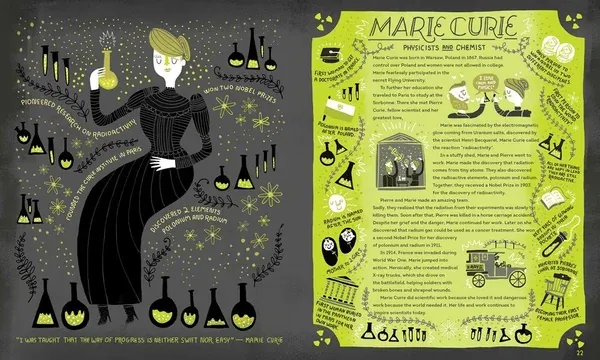
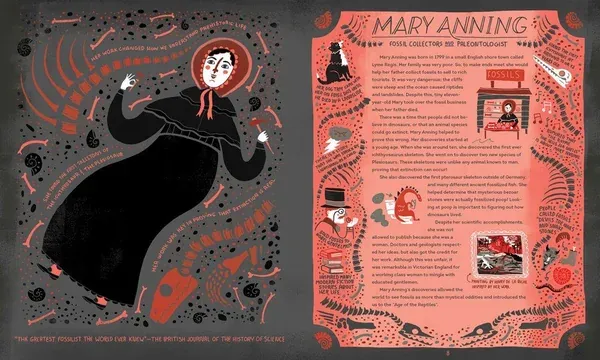
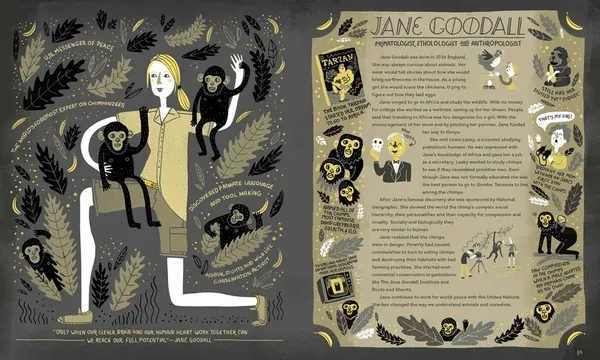
The author brings a background in graphic design to this project, and it shows in every carefully crafted page. Rachel Ignotofsky doesn't simply illustrate the scientists; she creates visual narratives that help young readers understand complex scientific concepts through imagery. Each profile combines portrait-style illustrations with symbolic representations of the scientist's field – test tubes for chemists, telescopes for astronomers, mathematical equations floating around mathematicians.
The writing style maintains scientific accuracy while remaining conversational and age-appropriate. Ignotofsky avoids the common trap of oversimplifying to the point of condescension. Instead, she introduces technical terms naturally within context, building readers' scientific vocabulary organically. The biographical approach allows her to weave personal struggles and triumphs into the larger narrative of scientific progress, showing how determination and curiosity drive discovery.
Pioneers Across Scientific Disciplines
The selection of fifty women spans centuries and continents, representing fields from astronomy to zoology. Well-known figures like Marie Curie and Jane Goodall appear alongside lesser-known pioneers such as Chien-Shiung Wu, whose work on nuclear physics was overlooked for a Nobel Prize, and Katherine Johnson, whose mathematical calculations were crucial to early space missions (though this book predates the widespread recognition Johnson received through "Hidden Figures").
Each profile follows a consistent format that includes key biographical information, major scientific contributions, and interesting personal details that humanize these remarkable women. The book doesn't shy away from discussing the obstacles these scientists faced due to gender discrimination, but it presents these challenges as barriers overcome rather than dwelling on injustice. This approach helps young readers understand historical context without becoming discouraged about their own scientific aspirations.
Educational Design and Accessibility
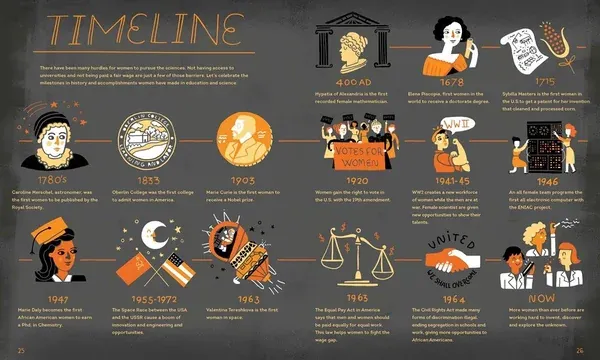
The book's layout deserves special recognition for its educational thoughtfulness. Timelines, charts, and infographics supplement the individual profiles, helping readers understand how these scientists' work connects to broader scientific progress. A periodic table highlights elements discovered by women, while a timeline shows the historical progression of women entering various scientific fields.
The reading level targets middle-grade audiences (ages 8-12) but remains engaging for older readers and adults. Technical concepts are explained clearly without being dumbed down, making this an excellent resource for family reading or classroom use. The visual elements serve genuine educational purposes rather than mere decoration, supporting comprehension and retention of scientific concepts.
Inspiring the Next Generation of Scientists
Where "Women in Science" truly succeeds is in its mission to expand young people's conception of who can be a scientist. By presenting diverse women from different time periods, cultures, and scientific disciplines, the book counters the persistent stereotype of science as a white, male domain. The inclusion of contemporary scientists alongside historical figures shows that these achievements aren't relics of the past but part of an ongoing story that today's children can join.
The book also excels at showing the human side of scientific work. These women weren't born knowing they'd become scientists; they were curious children who asked questions, made observations, and persisted despite obstacles. This accessibility is crucial for encouraging young readers, particularly girls, to see themselves as potential scientists.
Where It Falls Short
The book's greatest limitation is also inherent to its strength – the brief profile format means complex scientific achievements must be simplified significantly. While Rachel Ignotofsky handles this challenge well, readers seeking deeper understanding of specific discoveries will need to look elsewhere. The fifty-person limit also means many deserving scientists couldn't be included, though this constraint helps maintain focus and readability.
Some profiles feel more engaging than others, partly due to the varying amounts of biographical information available about different historical figures. The book would benefit from more explicit connections between the scientists' work and contemporary applications, though this might have made the profiles longer and less accessible to younger readers.
Worth Adding to Your STEM Collection
"Women in Science" succeeds as both an educational resource and an inspirational tool. It fills a genuine gap in children's science literature while maintaining high standards for accuracy and design quality. Parents looking to diversify their children's reading about science will find this Rachel Ignotofsky book invaluable, as will educators seeking engaging material for STEM programs.
The book works equally well as a browsing book for independent readers and as a shared reading experience for families. Its combination of compelling visuals, accessible writing, and important subject matter makes it a standout addition to any collection focused on encouraging scientific curiosity and expanding representation in STEM fields.