
In This Article
- What the Book Does and Where It Comes From
- Who Is Involved
- Context: Consciousness as an Unsolved Problem
- What to Watch
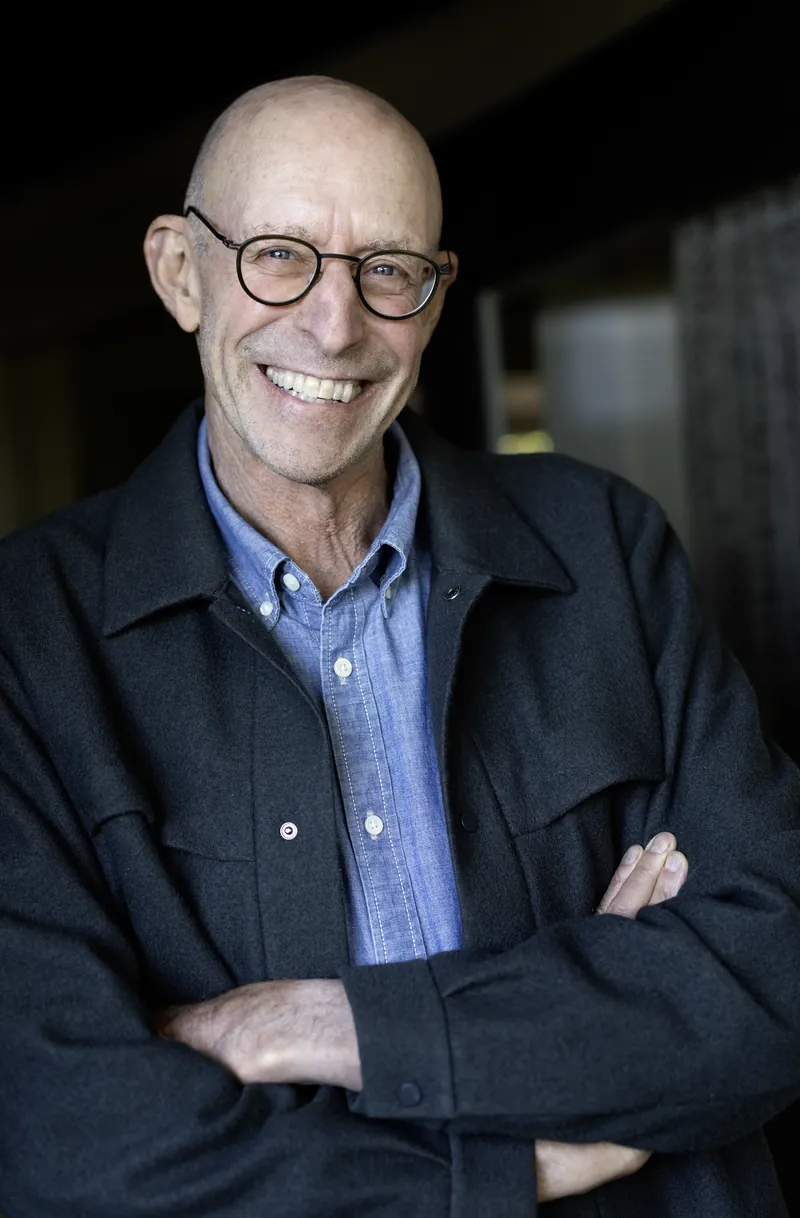
Michael Pollan, the journalist and author whose food writing transformed public debate about the American diet, published A World Appears: A Journey Into Consciousness on February 24, 2026, through Penguin Press. The 320-page book ranges across scientific, philosophical, literary, spiritual, and psychedelic perspectives on consciousness — from questions of plant sentience to synthetic awareness — according to Wikipedia's entry on Pollan. The New York Times published its review on February 27, 2026.
What the Book Does and Where It Comes From
The catalyst for the project was, in part, a jarring encounter at a conference on plant behaviour in Vancouver, which Pollan describes in the book. There, cell biologist František Baluška told him that plants likely feel pain — a claim Pollan uses as a deliberate edge case to force precision about what consciousness actually means, according to The Guardian. Pollan, now 71 and speaking to The Guardian from his Berkeley office, said he was reassured by broader scientific consensus that plants evolved to be eaten and that pain, as a signal, is only useful to organisms that can move quickly enough to act on it.
The book began as a continuation of his drug-focused writing but grew into something more encompassing. As The Guardian notes, a psilocybin experience in his own garden sharpened his interest in the relationship between inner life and plant life — neatly connecting both major threads of his career. The Atlantic observes that the book "begins with a forthright admission" that after extensive reading, numerous scientist interviews, and personal experimentation, Pollan reached no concrete conclusions about his subject — a degree of epistemic humility unusual for a writer associated with clear-cut maxims.
Who Is Involved
Pollan is the author of ten books, according to Penguin Random House, and holds professorships at both Harvard University and UC Berkeley's Graduate School of Journalism. At Berkeley, he co-founded the UC Berkeley Center for the Science of Psychedelics in 2020 and leads its public-education programme, per Wikipedia. That institutional grounding in psychedelic research underpins the experiential dimension of A World Appears.
Among the voices Pollan draws on is Baluška, the cell biologist whose claims about plant pain open the book's central inquiry. Pollan also conducted interviews with neuroscientists and philosophers as part of his research into how awareness emerges, according to a New York Times podcast appearance in March 2026.
Context: Consciousness as an Unsolved Problem
The Atlantic frames the book's subject matter in pointed terms: consciousness remains the one domain where centuries of scientific progress have produced no definitive answers, describing it as "an unconquerable backstop" to a long sequence of reductions of human exceptionalism stretching from Copernicus through Darwin and Freud. The magazine also suggests the book implicitly challenges maximalist claims made on behalf of artificial intelligence by highlighting how poorly understood the baseline of human awareness actually is.
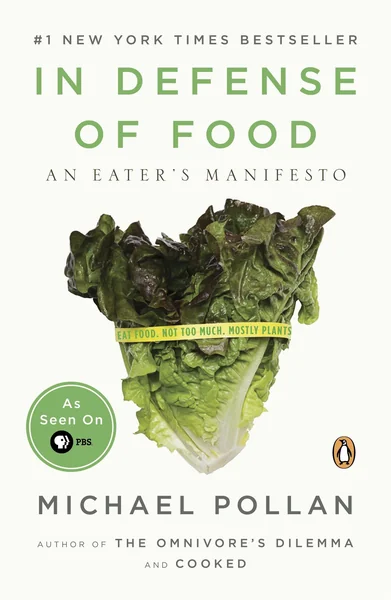
This is not Pollan's first turn toward the mind. His 2018 book How to Change Your Mind is described by Wikipedia as a cultural turning point in attitudes toward psychedelics, and This Is Your Mind on Plants followed in 2021. A World Appears extends that trajectory while also drawing on the food-systems thinking that made earlier works like The Omnivore's Dilemma (2006) and In Defense of Food influential — the latter built its case on the maxim "Eat food, not too much, mostly plants," as Publishers Weekly noted in its coverage of that book.
What to Watch
Critical reception has been mixed in its assessments of the book's execution. The Atlantic writes that it "can think of more lucid and arresting introductions to this subject" than A World Appears, citing works such as David Lodge's Consciousness and the Novel as comparators, though it engages seriously with Pollan's argument about AI. The Los Angeles Times characterised the project as Pollan returning "to his garden — and the page — to examine the mystery of consciousness," after having previously changed how readers think about eating and psychedelics. For a detailed assessment of the book's strengths and limitations, see our review.
Frequently Asked Questions
Is In Defense of Food worth buying in 2026?
Yes, In Defense of Food remains highly relevant as a foundational text for understanding modern food systems. Its practical framework for evaluating food choices transcends dietary trends and provides lasting wisdom, though readers should supplement it with more recent nutritional research.
What is the main message of In Defense of Food?
The book's core message is summarized in seven words: 'Eat food. Not too much. Mostly plants.' Pollan argues that focusing on real, minimally processed foods rather than individual nutrients provides a healthier approach to eating than following complex dietary rules.
Should I read In Defense of Food before A World Appears?
While not required, reading In Defense of Food first helps readers understand Pollan's analytical approach and writing style. His food writing demonstrates the same accessible yet thorough methodology he likely applies to consciousness studies in his new book.
Who should read In Defense of Food?
Anyone confused by conflicting nutritional advice will benefit from Pollan's clear framework. The book is perfect for readers wanting to understand food culture and policy without getting lost in technical details, though those seeking specific meal plans should look elsewhere.

Reader Discussion
No comments yet
Be the first to share your thoughts!