
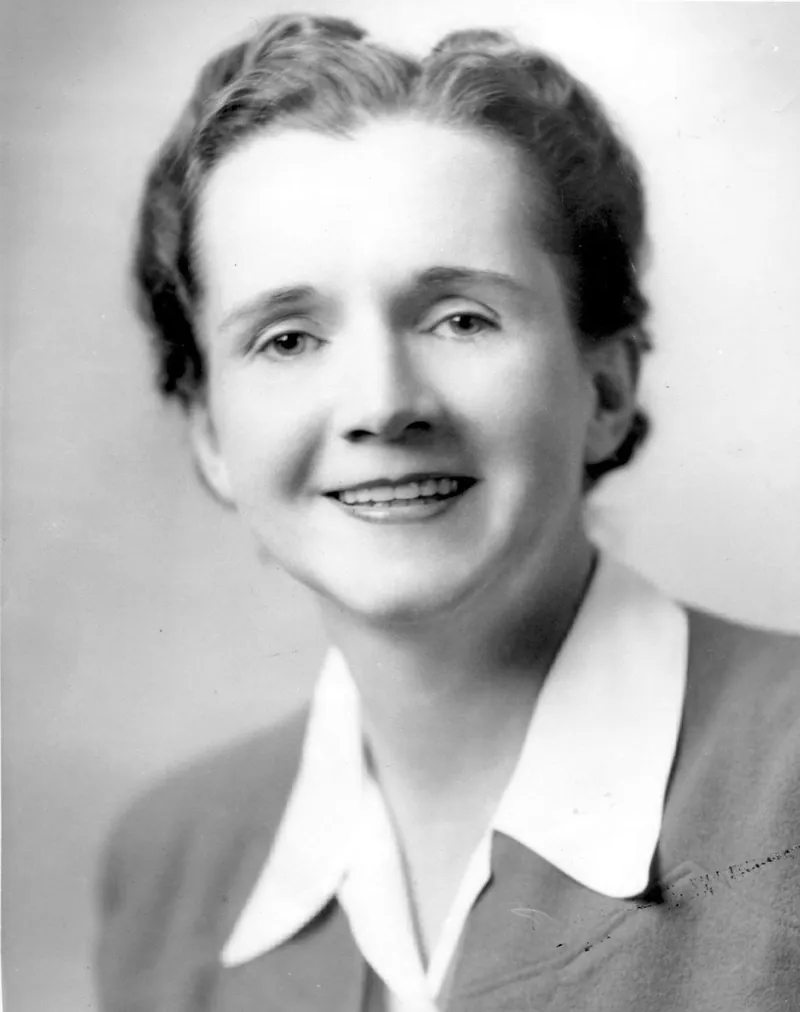
One of the most significant archival celebrations of Rachel Carson's legacy in recent memory opens this spring at one of America's premier rare book institutions. As reported by Literary Hub last week, Yale's Beinecke Rare Book & Manuscript Library is presenting Silent Springs, Windswept Seas: The Environmental Vision of Rachel Carson, on view May 18 through October 4, 2026. The exhibition draws on the library's deep archival holdings to offer visitors what organizers describe as a sweeping overview of Carson's life and work — and it arrives at a moment when the tensions she wrote about, between industrial convenience and ecological consequence, feel anything but historical.
What the Beinecke Exhibition Reveals About Carson's Full Legacy
Carson is most often remembered for Silent Spring, the 1962 landmark that catalyzed the modern environmental movement by documenting the dangers of pesticide use. But the Yale exhibition is deliberately broader in scope. According to materials from Yale's Beinecke Library, the display allows visitors to trace Carson's prescient vision about toxicants and environmental advocacy across the six decades since her final published work. The show features more than 100 objects, many exhibited for the first time, documenting her evolution as both scientist and author, according to Fine Books Magazine. That scope matters: it positions Carson not merely as the author of a single famous polemic, but as a thinker whose entire career was shaped by a coherent and deeply felt environmental philosophy.
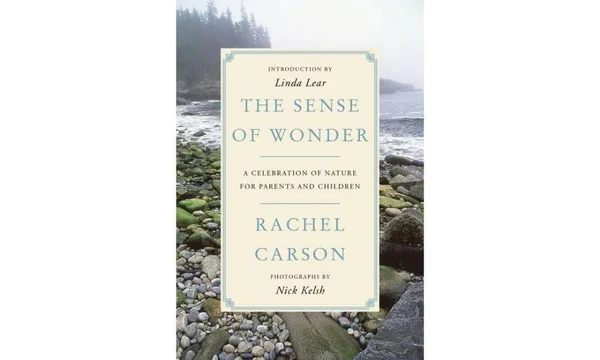
Among the works the exhibition invites reconsideration of is The Sense of Wonder, Carson's intimate essay-turned-book drawn from her own experiences exploring the Maine coast with her grandnephew Roger Christie. As noted by Outdoor School Shop, Carson began work on the essay in 1955 and came to regard it as one of her life's most important projects — a distinction worth noting for a writer who also produced one of the most consequential environmental books of the twentieth century. Where Silent Spring spoke to policymakers and the public in the language of alarm, The Sense of Wonder speaks to parents and children in the language of attention and awe. The two works are, in that sense, complementary halves of the same environmental vision the Beinecke exhibition sets out to document.
Why Carson's Vision of Nature Education Still Carries Weight
Carson's argument in The Sense of Wonder — that nurturing a child's innate curiosity about the natural world is both a moral and a practical necessity — has proven remarkably durable. The book predates the now-substantial body of research on children's relationships with nature, yet its core claim aligns closely with what developmental thinkers like those behind The Whole-Brain Child have since articulated: that direct sensory experience shapes how young minds engage with the world. Carson wasn't writing developmental psychology, but she was practicing it. Readers drawn to Jonathan Balcombe's What a Fish Knows, with its argument that non-human creatures possess rich inner lives worthy of our attention, will find a kindred spirit in Carson's insistence that the natural world repays close, respectful observation.
The Beinecke exhibition also arrives in a broader cultural moment in which the institutional memory of environmentalism is under active stress. By foregrounding the evolution of environmental advocacy from Carson's era to the present, Yale's show implicitly asks visitors to consider what has been built on her foundation — and what remains unfinished. That the exhibition runs through October 2026 ensures it will be accessible to summer visitors, academics, and school groups throughout the season, providing an unusually extended window for public engagement with primary materials that rarely leave the archive.
The Sense of Wonder is an award-winning book that has endured for decades as a foundational text on nurturing children's relationships with the natural world — and the Yale exhibition provides exactly the kind of archival context that deepens a reader's appreciation of where it came from. Want the full verdict? Read our review of The Sense of Wonder for a closer look at what makes Carson's essay still essential reading for parents today.
Frequently Asked Questions
Is The Sense of Wonder: A Celebration of Nature for Parents and Children worth reading in 2026?
Yes — The Sense of Wonder remains a foundational text on fostering children's curiosity about the natural world, and the 2026 Yale Beinecke Library exhibition provides fresh cultural context for revisiting it. Carson's argument that attentive, wonder-driven engagement with nature is essential feels as relevant today as when she first wrote the essay in 1955.
What is the main message of The Sense of Wonder: A Celebration of Nature for Parents and Children?
Carson's central argument is that nurturing a child's innate sense of wonder about the natural world is one of the most important things a parent or caregiver can do. Drawing on her own experiences exploring the Maine coast with her grandnephew, she makes the case that direct sensory experience of nature — not just factual knowledge — forms the bedrock of genuine environmental care.
Who should read The Sense of Wonder: A Celebration of Nature for Parents and Children?
The book is ideal for parents, educators, and caregivers looking to deepen children's connection to the natural world, but it also rewards adult readers interested in Carson's broader environmental philosophy. Those who have read Silent Spring and want to understand the more intimate, lyrical side of Carson's thinking will find it particularly illuminating.
What is the Yale Beinecke Library Rachel Carson exhibition about?
Silent Springs, Windswept Seas: The Environmental Vision of Rachel Carson runs May 18 through October 4, 2026, at Yale's Beinecke Rare Book & Manuscript Library. The exhibition features more than 100 objects — many shown for the first time — tracing Carson's development as a scientist, author, and environmental advocate across her full body of work, including The Sense of Wonder.
How does The Sense of Wonder: A Celebration of Nature for Parents and Children differ from Silent Spring?
Where Silent Spring is a work of scientific alarm — documenting the dangers of pesticides to ecosystems and human health — The Sense of Wonder is intimate and lyrical, focused on cultivating a child's emotional and perceptual relationship with the natural world. The two books represent complementary dimensions of Carson's environmental vision, as the Yale exhibition makes clear.
Where can I see the Rachel Carson exhibition at Yale in 2026?
The exhibition Silent Springs, Windswept Seas: The Environmental Vision of Rachel Carson is on view at Yale's Beinecke Rare Book & Manuscript Library, located on Wall and High streets in New Haven, Connecticut, from May 18 through October 4, 2026.
Reader Discussion
No comments yet
Be the first to share your thoughts!