
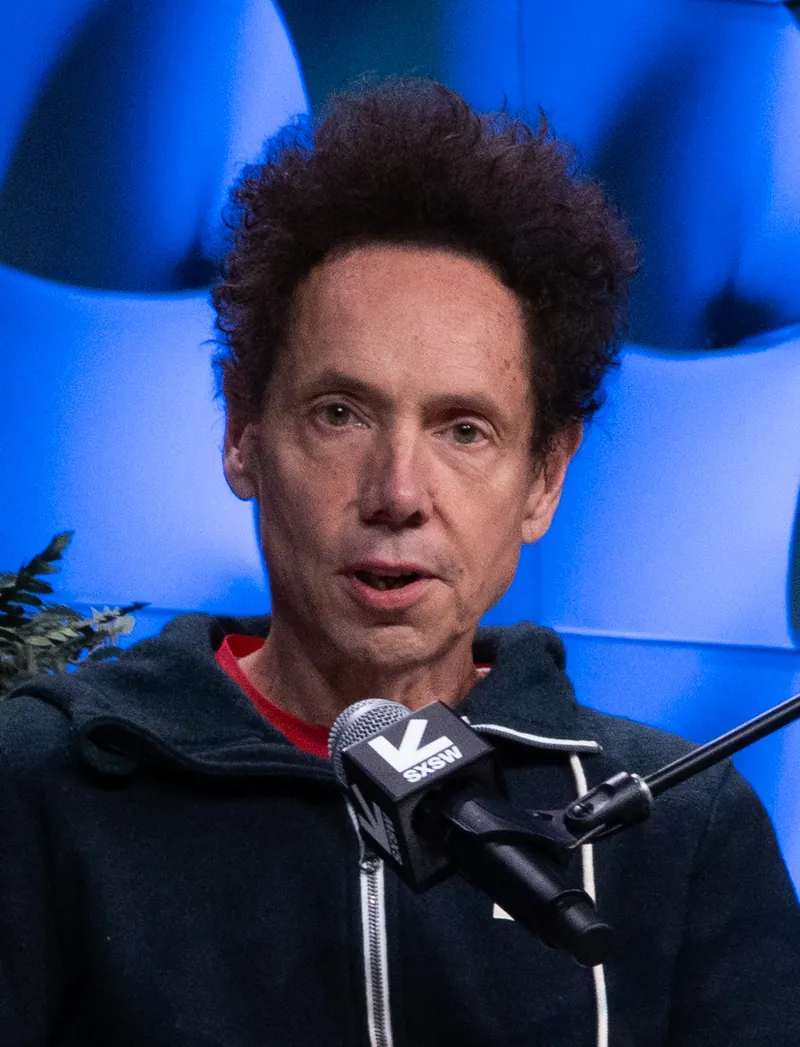
Malcolm Gladwell made back-to-back national television appearances in late September and early October 2026 to promote his new book, The American Way of Killing: The Invention of an Epidemic — and the themes on display will feel unmistakably familiar to anyone who read his landmark debut more than two decades ago.
As Broadway World reported, Gladwell appeared on Real Time with Bill Maher on October 2, 2026, for a one-on-one interview — one of the highest-profile slots in American political and cultural television. Seat42f confirmed that Gladwell joined the program in his capacity as host of the Revisionist History podcast alongside the book promotion.
Days earlier, on September 29, 2026, Gladwell joined TODAY to discuss what he frames as widespread misconceptions around crime and gun violence in the United States — the core terrain of The American Way of Killing.
What The Tipping Point Established — and Why The American Way of Killing Revisits It
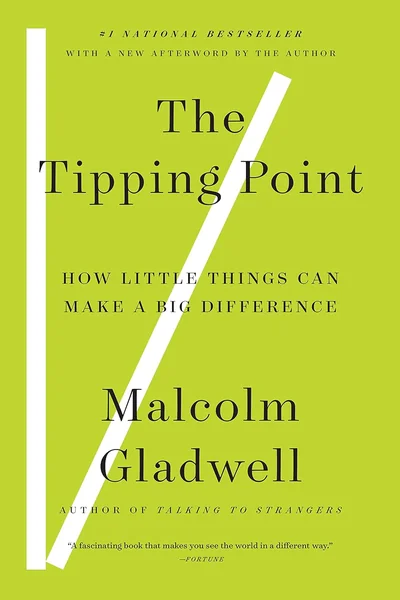
The Tipping Point: How Little Things Can Make a Big Difference, Gladwell's debut published in 2000, introduced a generation of readers to the idea that social epidemics obey identifiable rules — that ideas, behaviors, and products can spread like viruses when the right conditions align.
According to Wikipedia's entry on The Tipping Point, Gladwell built that book around three agents of change: Connectors, Mavens, and Salesmen — and the "Law of the Few," which holds that a small number of people with unusual social gifts drive the success of any social epidemic.
The American Way of Killing appears to carry that intellectual lineage forward into the specific domain of violence and public health — applying the social-contagion framework Gladwell pioneered to what he characterizes as an epidemic of killing in the United States.
This is not the first time Gladwell has returned to that original well. In 2024, he published Revenge of the Tipping Point: Overstories, Superspreaders, and the Rise of Social Engineering, which Hachette Book Group described as an examination of "the dark side of contagious phenomena" — directly revisiting his 2000 ideas through stories about COVID, the opioid crisis, and what he calls a new form of social engineering.
That 2024 book drew pointed critical scrutiny. Wikipedia's summary of Revenge of the Tipping Point notes that The New York Times ran a review titled "Is Malcolm Gladwell Out of Ideas?" by Anand Giridharadas — who called the book a "brand extension" — while the Associated Press described it as "fan service for readers who enjoyed The Tipping Point."
A Pattern of Return — and What It Tells Us About Gladwell's Project
The critical debate around Revenge of the Tipping Point makes the launch of The American Way of Killing particularly interesting to watch. Gladwell is now, by any count, on at least his second major return to the epidemic-as-metaphor framework that made his name — and he is doing so with full command of the national media platform that The Tipping Point itself helped build.
That original book's influence on popular non-fiction is difficult to overstate. It introduced vocabulary — tipping points, connectors, the stickiness factor — that became genuinely embedded in business, public health, and policy conversation for over two decades.
Whether The American Way of Killing advances that framework in a meaningful new direction, or whether it represents another lap around a familiar track, is a question that Gladwell's media appearances are clearly designed to answer on his terms. His TODAY interview focused on challenging conventional assumptions about violence — a rhetorical move consistent with the Gladwell brand of the counterintuitive reveal.
For readers who want to revisit the ideas at the root of all of this — the original argument that launched Gladwell's career — The Tipping Point: How Little Things Can Make a Big Difference remains the essential starting point. Want the full verdict?
Read our review of The Tipping Point to see how the book holds up.
Uplifting
Propulsive
Power & politics
Ambition
Frequently Asked Questions
Is The Tipping Point: How Little Things Can Make a Big Difference worth reading in 2026?
The Tipping Point introduced the concepts of social epidemics and contagion that Gladwell continues to revisit in his newest work, making it as relevant a foundation as ever for understanding his ideas. Our full review breaks down whether it holds up today.
What is the main message of The Tipping Point: How Little Things Can Make a Big Difference?
Gladwell argues that social change — the spread of ideas, behaviors, and products — follows epidemic-like rules governed by a small number of key people and conditions, and that understanding those rules allows anyone to engineer change.
Who should read The Tipping Point: How Little Things Can Make a Big Difference?
The book appeals to readers interested in social science, public health, business strategy, or marketing — anyone curious about why some ideas spread and others don't. It remains a frequent recommendation for those new to popular non-fiction.
How does The Tipping Point relate to Gladwell's new 2026 book The American Way of Killing?
The American Way of Killing applies Gladwell's social-contagion framework — first developed in The Tipping Point — to the specific subject of violence and crime in the United States, continuing a thematic thread he has returned to across multiple books.
Did Malcolm Gladwell appear on TV in 2026 to promote a new book?
Yes — Gladwell appeared on TODAY on September 29, 2026, and on Real Time with Bill Maher on October 2, 2026, promoting The American Way of Killing: The Invention of an Epidemic.


No Discussion Yet
Be the first to share your thoughts on this news article.