
In This Article
- The Lecture and the Book at Its Centre
- Who Is Involved
- Why It Matters in Its Field
- What to Watch
West Texas A&M University (WTAMU) has announced an upcoming Nall Lecture centred on Sanora Babb, a Dust Bowl-era author whose life and scholarship are chronicled in Clare Dunkle's biography Riding Like the Wind: The Life of Sanora Babb, according to a WTAMU news announcement. The event draws fresh attention to a figure who remained largely unknown to mainstream audiences for decades, despite her documented influence on two major cultural works about the 1930s Dust Bowl.
The Lecture and the Book at Its Centre
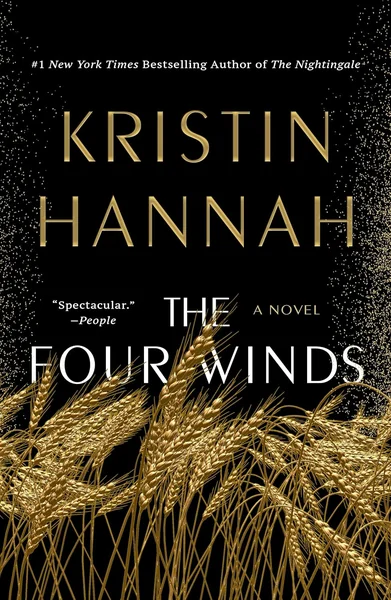
The WTAMU announcement describes Babb's Dust Bowl scholarship as having ultimately reached two significant platforms: it was featured in Ken Burns' documentary on the period, and it helped inspire Kristin Hannah's novel The Four Winds, according to WTAMU. The lecture will draw on Dunkle's biography, which frames Babb's archival and field research as only one chapter in what the university describes as "a long, fascinating life." The event is hosted through WTAMU's Center for the Study of the American West (CSAW), which organises the ongoing Nall Lecture series at the Canyon, Texas campus.
For readers unfamiliar with Hannah's 2021 novel, The Four Winds follows a woman navigating the hardships of the Great Depression and Dust Bowl — for the book's full assessment, see our review.
Who Is Involved
The three principal figures in this story span nearly a century of American letters. Sanora Babb was a writer and activist who conducted first-hand research among displaced migrant workers during the 1930s Dust Bowl; her work eventually reached both documentary filmmakers and contemporary novelists, per WTAMU. Clare Dunkle is the biographer who recovered and presented Babb's full story in Riding Like the Wind. Kristin Hannah, whose novel brought Depression-era migration back into wide readership, is credited by WTAMU as having drawn inspiration from Babb's scholarship. The lecture event itself is staged by WTAMU — an institution founded in 1910 and described as the northernmost senior university in Texas — through its CSAW programme.
The same development was also reported by regional outlet MyHighPlains.com, which noted the same chain of influence connecting Babb's research to Burns' documentary and to Hannah's novel.
Why It Matters in Its Field
The WTAMU announcement frames Babb as an "overlooked" figure — a descriptor that points to a persistent gap in how Dust Bowl history has been publicly remembered. Her research was substantive enough to shape a Ken Burns documentary and, separately, to inform a major work of historical fiction, yet she did not achieve comparable public recognition to those projects, according to WTAMU. Dunkle's biography, now the subject of a university lecture, represents an institutional effort to address that gap — situating Babb's contributions within a broader scholarly and cultural record rather than leaving them as background footnotes to better-known works.
The lecture also reflects CSAW's stated mission of engaging public audiences with the history and culture of the American West, a region whose 1930s hardships remain a touchstone for debates about migration, land use, and economic precarity.
What to Watch
The Nall Lecture at WTAMU will be the most visible public platform yet for Dunkle's biography of Babb, and it may prompt further scholarly or popular interest in Babb's original writings and field research. Readers following the academic ripple effects of The Four Winds can monitor WTAMU's CSAW programming for event dates and details via the university's news page.
Frequently Asked Questions
Is The Four Winds by Kristin Hannah worth buying in 2026?
Yes, especially if you enjoy character-driven historical fiction. The book offers excellent character development and historical accuracy, though it suffers from pacing issues in the middle sections. At 4.0/5 stars, it's a solid choice for readers interested in Depression-era America.
What is the main message of The Four Winds?
The novel explores themes of resilience, sacrifice, and personal transformation during America's Great Depression. It shows how ordinary people can find extraordinary strength when faced with impossible circumstances, particularly focusing on women's experiences during the Dust Bowl era.
Who should read The Four Winds by Kristin Hannah?
Ideal for readers who enjoy historical fiction with strong female protagonists, anyone interested in Great Depression history, and fans of character-driven narratives. However, readers who prefer fast-paced plots may find the middle sections slow.
How historically accurate is The Four Winds?
Very accurate - Hannah conducted extensive research using historical documents and oral histories. The novel's attention to period detail is one of its strongest features, and it's even inspired real academic research into overlooked Dust Bowl authors like Sanora Babb.
Reader Discussion
No comments yet
Be the first to share your thoughts!