
In This Article
- What O'Brien Said and Where He Said It
- O'Brien's Direct Connection to My Lai
- Why the Interview Carries Weight
- What to Watch
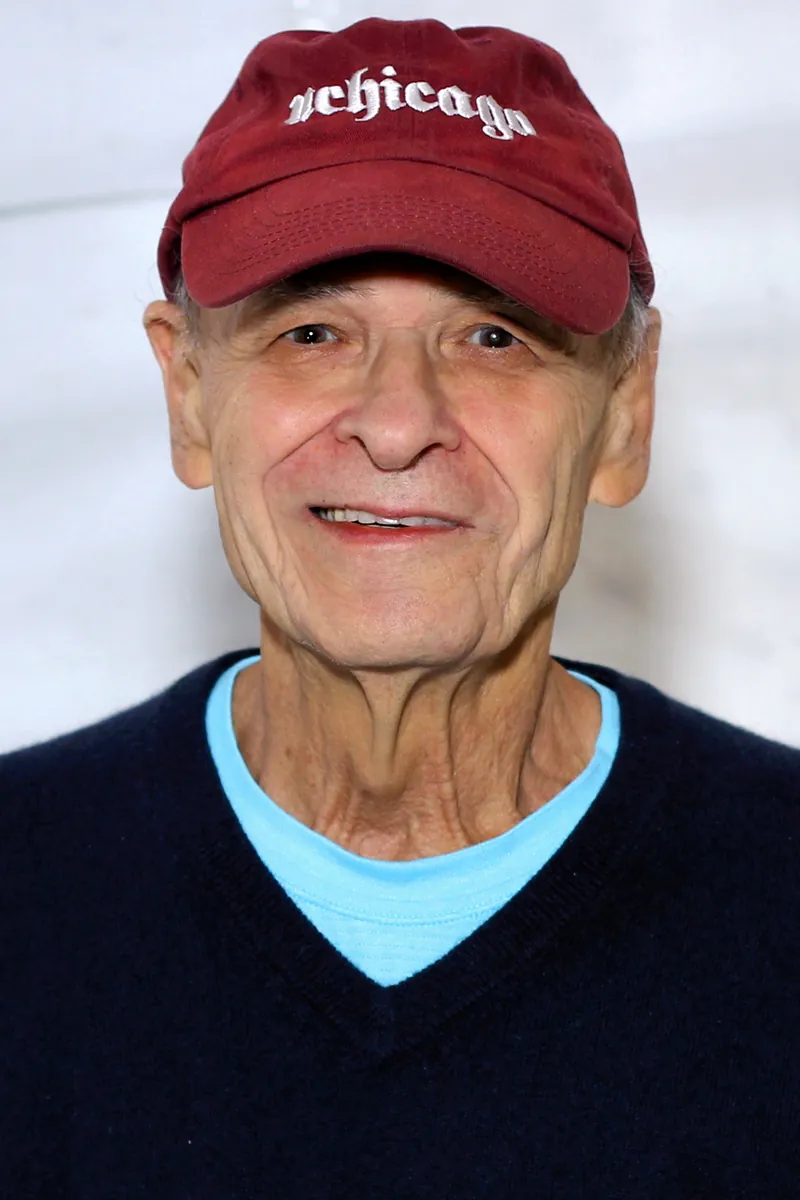
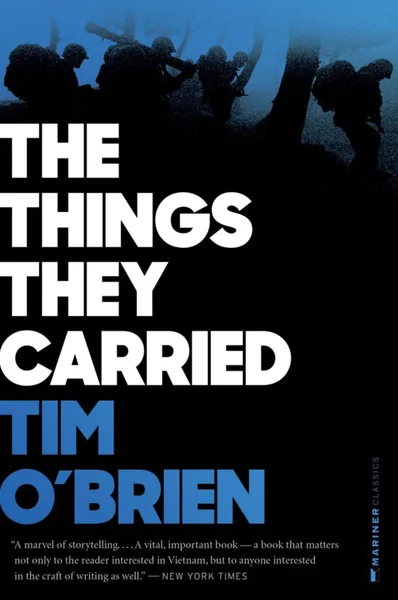
Tim O'Brien, author of The Things They Carried, has given a new interview to PBS in which he reflects on the My Lai Massacre — the 1968 killing of hundreds of unarmed Vietnamese civilians by U.S. soldiers — and its enduring moral weight. The conversation revisits territory that O'Brien has uniquely personal grounds to address: as a soldier, he served in the same area where the massacre occurred, arriving the year after it happened.
What O'Brien Said and Where He Said It
In the PBS interview, O'Brien spoke with characteristic directness about My Lai and the difficulty of keeping its meaning alive in public memory. A PBS feature drawing on O'Brien's words captures his concern that the massacre's name has "lost meaning to so many Americans," even as it continues to haunt the national conscience. The interview adds to a body of public commentary O'Brien has given on the subject over the years — including remarks cited by socbres.com, in which O'Brien noted he had been "thinking lately about My Lai" and raised the massacre in passing during a separate public appearance.
O'Brien's Direct Connection to My Lai
O'Brien's perspective on My Lai is not that of a distant observer. According to his Wikipedia biography, he served from 1969 to 1970 in the 3rd Platoon, Company A, 5th Battalion, 46th Infantry Regiment — part of the 23rd Infantry Division, the same division that contained the unit responsible for the massacre the year before his arrival. He has said that when his unit reached the area U.S. forces called "Pinkville," they were baffled by the intensity of local hostility: "We all wondered why the place was so hostile. We did not know there had been a massacre there a year earlier." As he recounted to CBC Radio, it was roughly nine months into his tour before the story of the massacre broke publicly, and only then did the hostility make sense. O'Brien also told PBS that his own unit had walked a paddy dike near the village adjacent to My Lai following hours of losses to landmines — placing him in close proximity to the very landscape where the atrocity unfolded, according to the NPR transcript of a Terry Gross interview.
He has since reflected on the conditions that made such an event possible. As quoted by davidlouisedelman.com, O'Brien said: "My own unit, we went through the same things they went through. We saw land mines and snipers" — framing the massacre not as an aberration committed by uniquely monstrous individuals, but as an outcome shaped by specific, documented circumstances of the war.
Why the Interview Carries Weight
O'Brien occupies a rare position in American letters: a combat veteran whose fiction has been recognised as a definitive literary record of Vietnam. The New York Times has described The Things They Carried as "a classic of contemporary war fiction," and O'Brien has been awarded the $100,000 Pritzker Military Library Literature Award for Lifetime Achievement in Military Writing. His novel Going After Cacciato won the National Book Award, according to his Wikipedia entry.
That literary standing gives his public statements on My Lai a particular resonance in ongoing American debates about how the war is remembered. The NEA Big Read programme has selected The Things They Carried as a featured title — an indication of its continued use as a vehicle for public engagement with Vietnam's legacy. For readers wanting a full critical assessment of the book itself, LuvemBooks has published its own review here.
What to Watch
O'Brien's renewed public engagement with My Lai — a massacre whose historical record was shaped significantly by journalism, photography, and eventual legal proceedings against Lt. William Calley — comes at a moment when the PBS interview is drawing fresh attention to questions of war, memory, and moral accountability. His central argument, consistent across multiple interviews, is that emotional and moral reckoning with events like My Lai requires active effort: the facts alone do not preserve their own weight. Whether the PBS interview prompts wider institutional or educational response remains to be seen.
Frequently Asked Questions
Is The Things They Carried worth buying in 2026?
Absolutely. O'Brien's masterpiece remains the definitive literary examination of Vietnam War trauma, with themes of memory, truth, and moral complexity that feel increasingly relevant in our current political climate.
What is the main message of The Things They Carried?
The book explores how soldiers carry both physical and emotional burdens of war long after combat ends. O'Brien argues that emotional truth can be more important than factual accuracy when conveying the reality of war.
Who should read The Things They Carried?
Anyone interested in understanding war's psychological impact, readers who appreciate experimental narrative techniques, and those seeking insight into Vietnam War experiences. However, mature readers should be prepared for heavy themes and challenging content.
Should I read The Things They Carried or watch a Vietnam War movie instead?
Read the book. O'Brien's innovative blend of fiction and memoir creates an immersive experience that film cannot replicate. His metafictional approach forces active engagement with questions about truth and memory that visual media typically cannot achieve.
Reader Discussion
No comments yet
Be the first to share your thoughts!