
In This Article
- The Event: What's Screening and When
- Who Is Behind the Return
- Context: A Wider Tolkien Moment
- What to Watch Next
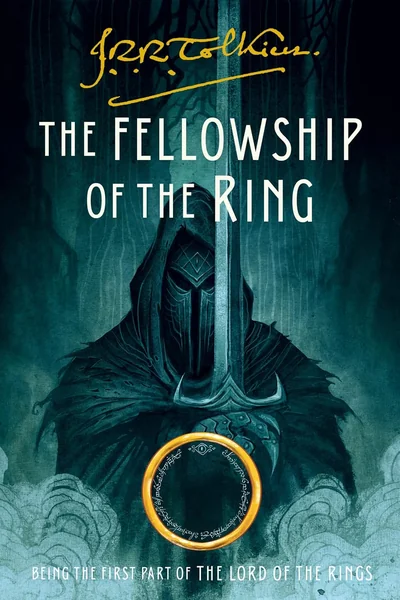
Fathom Entertainment has confirmed that Peter Jackson's extended-edition cuts of The Lord of the Rings trilogy will return to cinemas across two weekends — January 16–18 and January 23–25, 2026 — with The Fellowship of the Ring anchoring the run as the film marks its 25th anniversary. The announcement, published on Fathom Entertainment's news page, was made jointly with Warner Bros.
Pictures. Tickets are already available through AMC Theatres and Fandango.
The Event: What's Screening and When
All three extended editions in Jackson's trilogy are included in the theatrical run, spread across the two January weekends, according to Fathom Entertainment. The Fellowship of the Ring — a 3-hour 28-minute runtime in its theatrical cut, as listed by AMC Theatres — will be screened in its longer extended form.
The Fathom Entertainment release page describes the film's story as centring on Frodo Baggins, a hobbit who inherits a gold ring tied to the fate of Middle-earth, setting in motion the wider events of Tolkien's epic. For the book's full critical treatment, see our review of The Fellowship of the Ring.
Who Is Behind the Return
The event is a partnership between Fathom Entertainment and Warner Bros. Pictures.
In a statement quoted by Fathom Entertainment, Fathom described itself as "proud to join with Warner Bros. to present each of these incredible films, with the extended editions from Peter Jackson." The re-release is explicitly framed around the 25-year milestone of The Fellowship of the Ring, which first reached cinemas in 2001.
Empire Online also reported the January 2026 return, noting the anniversary framing and the involvement of all three Jackson films in the multiplex run.
Context: A Wider Tolkien Moment
The theatrical event sits alongside other reported Tolkien-related developments. According to Fathom Entertainment's release page, Peter Jackson was in early discussions at Cannes in May 2026 regarding the acquisition of rights to The Silmarillion and other Tolkien writings.
The same source also notes that a new Jackson project covering unadapted chapters from The Fellowship of the Ring is in early development. Neither project has been formally announced, and both remain at a preliminary stage based on current sourcing.
What to Watch Next
With tickets now listed at major US theatre chains, the practical next steps for audiences are straightforward: AMC Theatres and Fandango both carry showtime and booking information. Beyond the January screenings, the reported early-stage discussions around The Silmarillion rights and the unannounced Jackson development project are the two threads to follow — though neither has moved beyond the preliminary phase according to current reporting from Fathom Entertainment.
Frequently Asked Questions
Is The Fellowship of the Ring: Being the First Part of The Lord of the Rings worth reading in 2026?
Absolutely, though readers should come prepared for a deliberately paced, formally written novel unlike most contemporary fantasy. At LuvemBooks we rate it 4.7/5 stars — its world-building, moral depth, and character complexity are simply unmatched in the genre. If you can commit to its rhythm, it is one of the most rewarding reading experiences in all of literature.
Should I read The Fellowship of the Ring or just watch the film?
Both are worth your time, but they offer different experiences. The novel provides far greater depth — in history, language, and inner character life — while Peter Jackson's film delivers spectacular visual storytelling and emotional immediacy. If you are new to Tolkien, the film is a wonderful entry point, but the book rewards anyone who wants to understand where it all truly comes from.
What is the main message of The Fellowship of the Ring?
At its core, The Fellowship of the Ring explores the idea that ordinary people — those without great power or status — can be the ones to carry the heaviest burdens and make the most consequential choices. Tolkien weaves themes of hope, sacrifice, friendship, and the dangers of unchecked power throughout the narrative, treating them with genuine moral seriousness rather than simple resolution.
Who should read The Fellowship of the Ring: Being the First Part of The Lord of the Rings?
Anyone seriously interested in fantasy literature, epic storytelling, or world-building should read it. It is particularly rewarding for patient readers who enjoy rich, immersive prose and are comfortable with a slower narrative pace. It may challenge younger readers or those accustomed to fast-paced contemporary YA, but it remains genuinely essential for the genre.
Why is The Fellowship of the Ring returning to cinemas in 2026?
Fathom Entertainment has confirmed a 2026 theatrical event for Peter Jackson's film adaptation. The timing coincides with reported discussions involving Jackson at Cannes 2026 about acquiring rights to The Silmarillion and other Tolkien writings, suggesting a broader renewed interest in expanding the Middle-earth cinematic universe.
Is The Fellowship of the Ring difficult to read?
It can be, particularly for modern readers. The prose is formal and archaic, the opening section moves slowly, and embedded songs and poems interrupt narrative pace. These are features of Tolkien's deliberate literary style rather than flaws, but they are worth knowing about. Most readers who push through the early chapters find the experience deeply rewarding.


No Discussion Yet
Be the first to share your thoughts on this news article.