
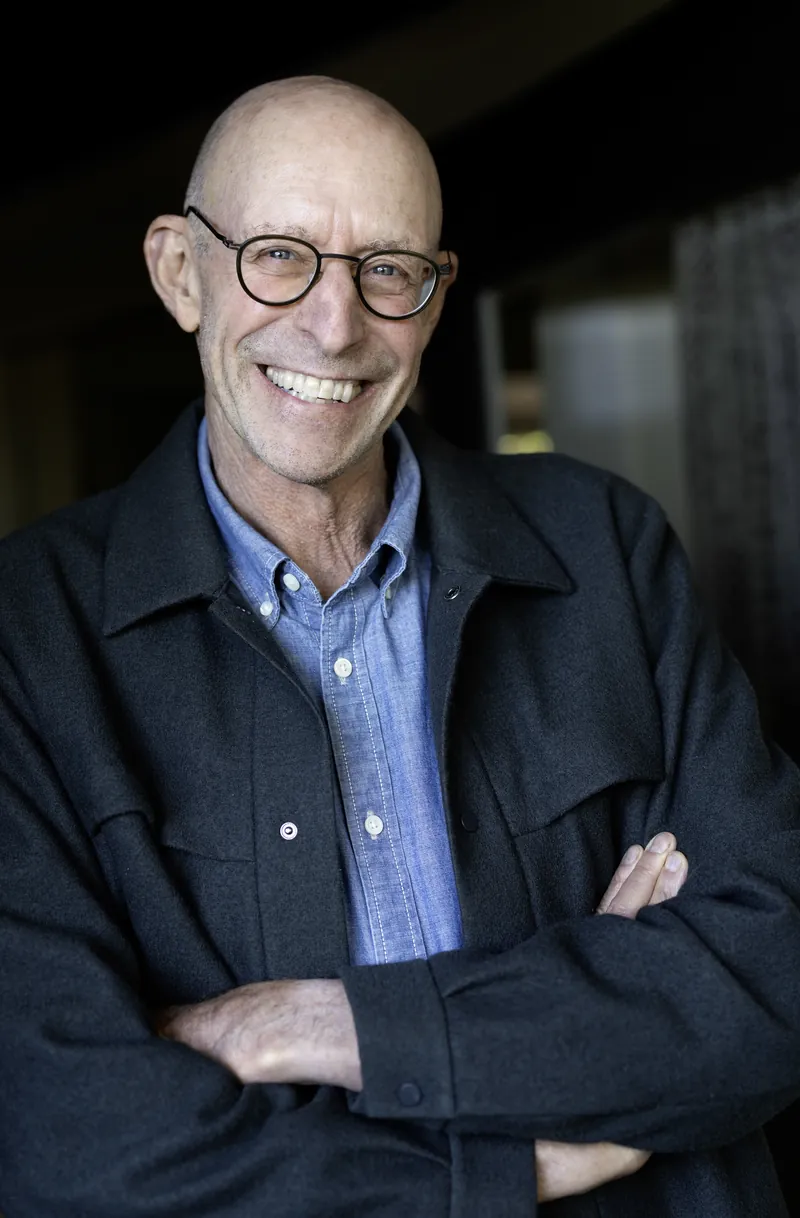
Michael Pollan and neuroscientist Christof Koch held a public conversation at UC Berkeley on 13 October 2026, examining consciousness, psychedelics, and altered states in an event that has since been featured on the Berkeley Talks podcast, as reported by UC Berkeley News.
According to Cal Performances, the evening ran from 7:30 to 9:00 pm and was co-presented by Cal Performances and UC Berkeley's Center for the Science of Psychedelics.
As noted by 48hills.org, the discussion was moderated by Shayla Love and covered the speakers' respective books, consciousness science, and the latest findings in psychedelics research.
How to Change Your Mind Led Here — and What A World Appears Does Next
Pollan's 2018 work How to Change Your Mind: What the New Science of Psychedelics Teaches Us About Consciousness, Dying, Addiction, Depression, and Transcendence established him as the foremost popular chronicler of the psychedelic research revival, and Publishers Weekly described it at the time as a "nuanced and sophisticated exploration" that asked "big questions about meaning-making and spiritual experience."
His new 2026 book, A World Appears: A Journey into Consciousness, builds directly on that framework, according to UC Berkeley News.
As The Guardian explains, the new book broadens the inquiry to ask what consciousness is, who has it, and why — including probing edge cases such as plant sentience alongside the better-known territory of psychedelic experience.
The Guardian notes that A World Appears "neatly marries both strands of Pollan's work: plant life and inner life," suggesting the book is as much a continuation of his earlier food and nature writing as it is a sequel to his psychedelics reporting.
Koch, Consciousness Science, and Why This Pairing Matters
The choice of Christof Koch as Pollan's interlocutor is a significant one: as Pollan himself noted in a Substack post ahead of the event, Koch is "one of the leading neuroscientists working on the problem of consciousness" and features as a central character in the new book.
According to Archyde, the Berkeley event brought both figures together to examine "the intersections of human consciousness" and the enduring difficulty of measuring subjective experience objectively — the so-called hard problem that sits at the heart of both psychedelics research and neuroscience.
As Memesita reports, the wide-ranging discussion examined how psychedelics alter human perception and what that tells us about the nature of experience more broadly.
The Berkeley appearance is not an isolated engagement: a Sydney Morning Herald interview reveals Pollan will also appear at the Sydney Opera House on 4 November and Melbourne's Wheeler Centre on 5 November, suggesting an active international promotional push for A World Appears.
That same interview saw Pollan speak candidly about ego death, psychedelics, and fifty years of marriage — indicating that the personal dimension which made How to Change Your Mind so compelling remains central to his public presence around the new work.
Rolling Stone notes that in A World Appears, Pollan draws on research showing that a psychedelic experience "dramatically increases the likelihood that a person will attribute consciousness to other entities" — a finding that threads neatly through both his nature writing and his ongoing engagement with the science of mind.
A World Appears: A Journey into Consciousness is Pollan's most direct attempt yet to synthesise the plant world and the inner world into a single, unified argument about the nature of experience. The Berkeley Talks episode featuring his conversation with Christof Koch is available now via the UC Berkeley News podcast.
Frequently Asked Questions
What is Michael Pollan's new book in 2026?
Michael Pollan's 2026 book is A World Appears: A Journey into Consciousness, which builds on the framework of How to Change Your Mind and explores what consciousness is, who has it, and why — including edge cases from plant life to psychedelic experience.
Is How to Change Your Mind: What the New Science of Psychedelics Teaches Us About Consciousness, Dying, Addiction, Depression, and Transcendence worth reading in 2026?
Publishers Weekly described it as a "nuanced and sophisticated exploration" of psychedelics, neuroscience, and meaning-making — and with Pollan's 2026 follow-up A World Appears now in circulation, it remains essential background reading for anyone interested in the field.
Who is Christof Koch and why did he appear with Michael Pollan at Berkeley?
Christof Koch is one of the world's leading neuroscientists working on the problem of consciousness, and he features as a central figure in Pollan's new book A World Appears — making him a natural partner for the public conversation held at UC Berkeley on 13 October 2026.
What is the main argument of How to Change Your Mind: What the New Science of Psychedelics Teaches Us About Consciousness, Dying, Addiction, Depression, and Transcendence?
The book traces the history of psychedelics research across cultures and generations, examines the neuroscience of their effects, and chronicles the revival of clinical trials exploring their potential to treat addiction, depression, and end-of-life anxiety — alongside Pollan's own experiences with the substances.
Where can I hear Michael Pollan's UC Berkeley consciousness discussion?
The conversation between Michael Pollan and Christof Koch, moderated by Shayla Love, is available via the Berkeley Talks podcast, featured on UC Berkeley News following the 13 October 2026 event.
Is A World Appears a sequel to How to Change Your Mind?
It builds on the same intellectual territory but broadens the scope considerably: according to [The Guardian](https://www.theguardian.com/books/2026/feb/08/michael-pollan-psychedelics-consciousness), A World Appears asks what consciousness is across all living things — including plants — rather than focusing solely on psychedelic experience.


No Discussion Yet
Be the first to share your thoughts on this news article.