
In This Article
- What's happening
- Who and what is involved
- Context and significance in the field
- What to watch
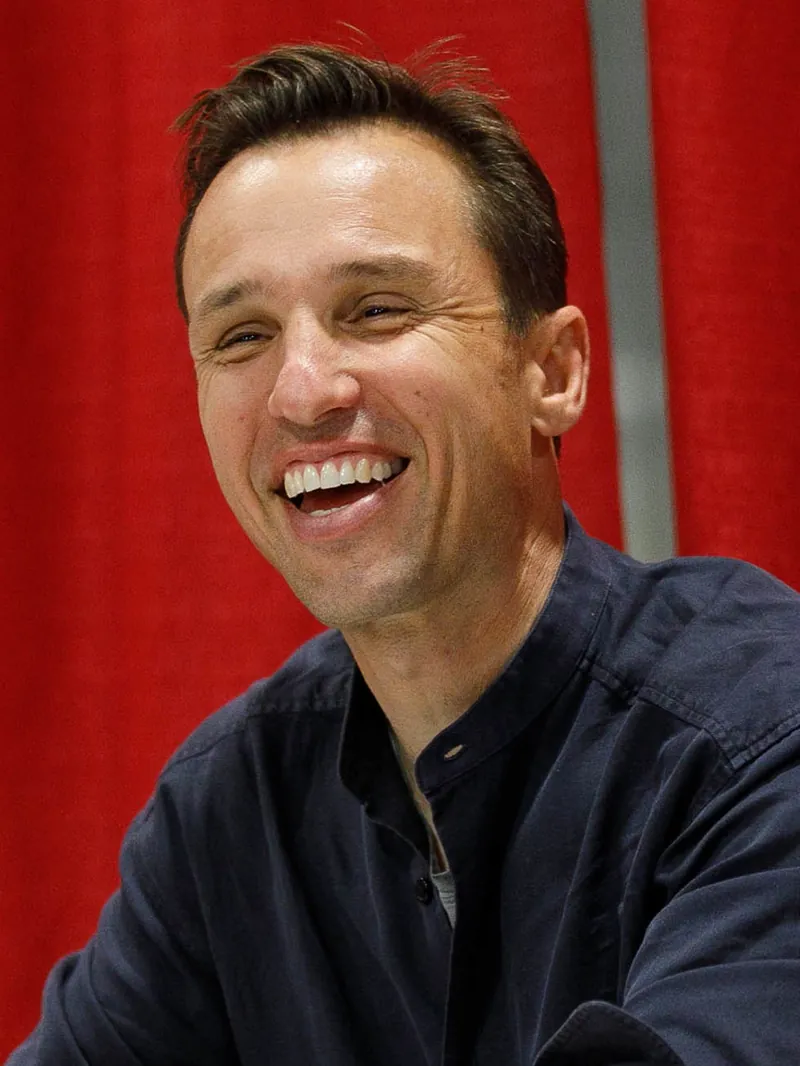
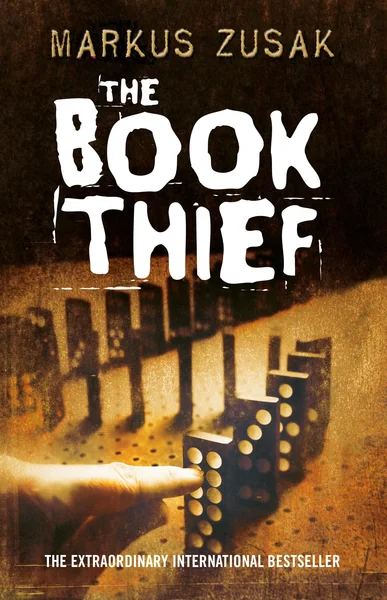
Markus Zusak is marking two decades since the publication of The Book Thief with a run of US public appearances and the release of an anniversary hardback edition that includes previously unpublished material from the book's original drafting process, according to an exclusive feature in People magazine published in March 2026.
What's happening
The anniversary campaign encompasses library stops in Cleveland and Washington, DC, podcast conversations with Book Riot — where senior editor Kelly Jensen interviewed Zusak as the novel turns 20 — and Barnes & Noble, as well as the new hardback edition itself. Washington City Paper reported that Zusak returned to the DC area specifically to celebrate the anniversary edition. The author has used the tour to speak candidly about the book's durability. "Books don't stay alive on their own, so I'm just really…" he told People, characterising his role in keeping the novel in public conversation. In a separate appearance flagged by AOL, Zusak offered a self-deprecating pitch for his own novel: "It's set in Nazi Germany, it's narrated by death, nearly everybody dies, it's 560 pages long — you'll love it."
Who and what is involved
Zusak is an Australian author whose novel, a work of historical fiction set in Nazi Germany during World War II, was first published in 2005. As Wikipedia documents, the book has since been translated into 63 languages and sold 17 million copies worldwide — figures that make it one of the more widely distributed English-language novels of the past two decades. It was also adapted into a feature film in 2013. The anniversary hardback is the publishing vehicle at the centre of the current tour; its inclusion of draft-stage material gives the edition a documentary dimension beyond a standard reissue. The Lagos Review noted that Zusak's tour has also drawn attention to questions of global censorship, a theme Zusak addressed in the wide-ranging interview reported by that outlet.
Context and significance in the field
The Book Thief occupies a specific place in the young-adult and crossover literary market. Publishers Weekly described it at the time of publication as "a challenging book in both length and subject, and best suited to sophisticated older readers," with Death serving as "a companionable if sarcastic" narrator who "travels the globe handing souls." That unusual narrative construction — a named, personalised Death observing civilian suffering in wartime Germany — distinguished the novel structurally from much of its contemporaries. According to Wikipedia, the story follows Liesel Meminger as she lives with foster parents, forms connections through stolen and borrowed books, and ultimately survives a bombing raid because she was writing in a basement. For the book's full critical verdict, see LuvemBooks' review. The 20-year mark is also arriving at a moment when, as The Lagos Review reported, debates about book access and censorship are shaping how titles like this one reach younger readers.
What to watch
The anniversary hardback edition is already in circulation, and Zusak's US tour dates — including the DC appearance covered by Washington City Paper — are ongoing as of the time of publication. Whether the author extends the tour beyond the US or grants further interviews in other markets has not been announced in the sources available. The Book Riot podcast conversation is available for listeners wanting to hear Zusak discuss the novel's two-decade arc in his own words.
Frequently Asked Questions
Is The Book Thief worth buying in 2026?
Yes, especially the new 20th anniversary edition with unpublished material. The book remains a powerful and unique take on WWII fiction that has aged well over two decades.
What is the main message of The Book Thief?
The book explores how literature and storytelling can serve as acts of resistance and hope during humanity's darkest moments, while showing the complexity of ordinary people living under extraordinary circumstances.
Who should read The Book Thief?
The book is best suited for high school readers or emotionally mature middle schoolers with guidance. Adults will also find it rewarding, but younger readers may struggle with the heavy themes and abstract narrative voice.
Should I read The Book Thief or watch the movie adaptation?
The book offers a much richer experience with its unique Death-as-narrator perspective and deeper character development. The 2013 film adaptation, while well-made, cannot capture the full complexity of Zusak's narrative voice.
Reader Discussion
No comments yet
Be the first to share your thoughts!