
In This Article
- What Happened
- Who and What Is Involved
- Critical Reception: Extraordinary, but Not for Every Reason
- What to Watch
A new television adaptation of Alexandre Dumas' The Count of Monte Cristo began airing on PBS Masterpiece on Sunday, March 22, 2026, with Sam Claflin in the lead role of Edmond Dantès and Jeremy Irons as the Abbé Faria, according to PBS and TV Insider. The series runs to eight episodes and had already debuted in Europe before crossing to American screens.
What Happened
The series arrived on PBS as part of the network's Masterpiece strand, with new episodes airing on Sundays. TV Insider notes that the complete season was made available ahead of the broadcast schedule for subscribers to PBS Passport, while the show is also streaming on the free PBS App across a wide range of platforms — including Roku, Amazon Fire TV, Apple TV, and Samsung Smart TV — as well as through PBS Masterpiece on Prime Video, according to PBS.
Who and What Is Involved
Sam Claflin leads the cast as Dantès, the young sailor wrongfully imprisoned who re-emerges as the wealthy and vengeful Count of Monte Cristo — the central figure of Dumas' 1844 novel. Jeremy Irons co-stars as the imprisoned priest whose relationship with Dantès drives a pivotal section of the story. Behind the camera, the adaptation was written by Alexandre de La Patellière and Matthieu Delaporte, the screenwriting duo previously known for their work on The Three Musketeers, according to The Guardian, who describe the pair as bringing "verve" to Dumas' swashbuckling tale of revenge. PBS describes the production as "lushly lensed."
Critical Reception: Extraordinary, but Not for Every Reason
Not all critics greeted the series with straightforward praise. The Guardian called it an "extraordinary adaptation" while simultaneously noting that viewers "will have to pause every 45 seconds to shake their head at its daftness." The review describes the series as containing "howlers, wooden acting and terrible dialogue" — and concedes that "at points it's so bad it's fun." The Guardian's framing positions the show as a genuinely entertaining spectacle, though not necessarily in the way its makers may have intended, rooted as it is in Dumas' own "ludicrous" source novel. That range of critical response — from admiration of the visual ambition to amusement at its excesses — appears to be a defining feature of the show's early reception.
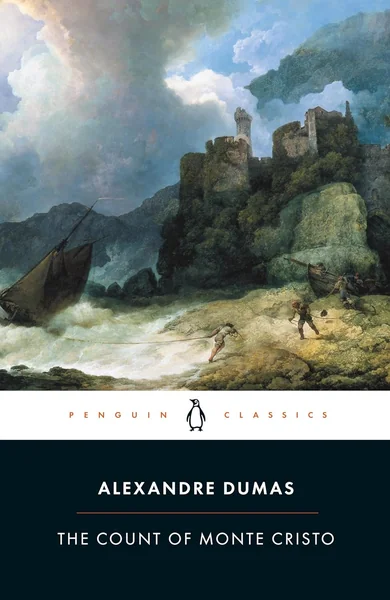
For a dedicated assessment of Dumas' original novel itself, readers can consult our review of The Count of Monte Cristo.
What to Watch
Town & Country confirms the series comprises eight episodes in total, with the weekly Sunday broadcast schedule on PBS continuing through the run. For viewers who prefer not to wait, the full season remains available via PBS Passport. Whether the production's divisive critical reception translates into audience numbers or awards attention remains to be reported as the series continues its American run.
Frequently Asked Questions
Is The Count of Monte Cristo by Alexandre Dumas worth buying in 2026?
Yes, especially with the new PBS adaptation bringing renewed attention to this classic. The novel offers intricate plotting and psychological depth that rewards patient readers, though its considerable length requires commitment.
Should I read The Count of Monte Cristo or watch the PBS adaptation?
Both have merit, but the novel provides far greater depth and character development. The PBS series serves as an excellent introduction, but serious readers will want to experience Dumas' full literary achievement.
What is the main message of The Count of Monte Cristo?
The novel explores the complex relationship between justice and revenge, examining how suffering can transform us and questioning whether elaborate vengeance truly serves justice or merely satisfies personal desires for retribution.
Who should read The Count of Monte Cristo?
Readers who enjoy complex plotting, character-driven narratives, and moral complexity will find much to appreciate. However, those preferring faster-paced modern fiction may struggle with its 19th-century pacing and considerable length.
Reader Discussion
No comments yet
Be the first to share your thoughts!