

In This Article
- What the book contains
- The people and publishers involved
- Context: Discworld's creature mythology and Rincewind's role
- What to watch for
Publishers Transworld and Ten Speed Press jointly announced the forthcoming publication of The Discworld Bestiary, a comprehensive illustrated guide to the creatures of Terry Pratchett's Discworld series. According to the official Terry Pratchett website, the book is illustrated by Discworld artist Paul Kidby and is scheduled to arrive on 15 October 2026 as a four-colour gift edition hardback.
What the book contains
According to the Discworld.com press release, the volume catalogues the weird and wonderful creatures of Pratchett's fantasy world through entirely brand-new artwork created specifically for this edition. The book's framing device places cowardly wizard Rincewind at its centre: as Paul Kidby's official shop describes it, the text is "packed with extra advice from Rincewind, Unseen University's latest (and reluctant) adjunct professor of Perplexing Beasts and curator of its curiobiological museum." Entries span a wide range of Discworld fauna — Discworld.com lists examples including the Terrible Man-Eating Sloth and the .303 Bookworm.
The people and publishers involved
Paul Kidby is the principal creative force behind the volume's visual identity. He has served as the established illustrator of the Discworld series, and the bestiary represents a new original commission rather than a collection of previously published work. On the publishing side, the announcement names both Transworld — a UK imprint — and Ten Speed Press as co-publishers, indicating a simultaneous international release. The book will be available for pre-order ahead of the October hardback publication, according to Discworld.com.
Context: Discworld's creature mythology and Rincewind's role
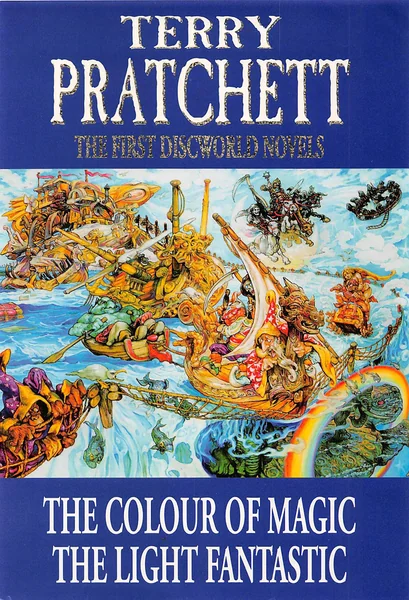
Many of the creatures likely to feature in the bestiary have roots in the earliest Discworld novels. Wikipedia notes that The Colour of Magic (1983) — the first book in the series, which Pratchett described as "an attempt to do for the classical fantasy universe what Blazing Saddles did for Westerns" — introduced readers to the Discworld's foundational geography and inhabitants, including the enchanted, sentient chest known as the Luggage, mountain trolls, and entities such as Bel-Shamharoth, the Chthonic god of the Dungeon Dimensions. Rincewind, now the bestiary's reluctant narrator, debuted in that same novel as an incompetent wizard hired to guide a tourist through Ankh-Morpork. His through-line from those early books to this new reference work gives the project an in-universe continuity grounded in series history. For a critical perspective on those opening novels, see our review of The Colour of Magic and The Light Fantastic.
What to watch for
The 15 October 2026 publication date is confirmed across multiple official sources, including terrypratchett.com and Discworld.com. Pre-orders for the deluxe hardcover edition are already open. The release marks a posthumous addition to the Discworld publishing programme — Pratchett died in 2015 — and the first major illustrated creature compendium for the series under the current publishing arrangement. No pricing or page-count details have been confirmed in available sources at the time of writing.
Frequently Asked Questions
Is The Colour of Magic and The Light Fantastic worth buying before the Discworld Bestiary?
These early books provide essential context for many creatures that will appear in the bestiary. While they're not Pratchett's strongest work, they establish the foundational world-building and introduce iconic beings like the Luggage. Consider them valuable preparation for the comprehensive creature guide.
What is the main appeal of The Colour of Magic and The Light Fantastic?
The main draw is witnessing Pratchett's creative genesis and meeting legendary characters like Rincewind, Twoflower, and the Luggage. These books showcase the author developing his voice and establishing the Discworld mythology that would span 41 novels. They're essential for understanding how the series evolved.
Who should read The Colour of Magic and The Light Fantastic?
Discworld completists, fantasy readers interested in seeing how a master developed his craft, and anyone who enjoys episodic adventure stories with clever humor. However, newcomers to Pratchett might find later books like Guards! Guards! more accessible starting points.
Should I read The Colour of Magic and The Light Fantastic or wait for the Discworld Bestiary?
Read both if you're a serious Pratchett fan. The novels provide narrative context for the creatures, while the bestiary will offer comprehensive reference material. The books give you the stories behind the beings that the bestiary will catalog and illustrate.
Reader Discussion
No comments yet
Be the first to share your thoughts!