8 min read
4.2
· 1,176 Amazon ratingsShare This Review

Our review
Noah Can't Even
Noah Can't Even by Simon James Green Review: A Riotously Funny YA Debut
Noah Can't Even is Simon James Green's award-winning YA debut following the spectacularly unlucky Noah Grimes, whose already chaotic life — absent father, Beyoncé-tribute-act mother, ailing gran, and a single friend — tips into full-blown pandemonium when that one friend, Harry, kisses him at a party. Critics called it "side-splitting comedy... A riotous, real-feeling YA debut," and the novel has earned a devoted following for its relentless comedic momentum and its surprisingly sincere treatment of identity, friendship, and self-discovery.
LuvemBooks Verdict
Best for
Readers who want a loud, chaotic, laugh-out-loud YA comedy with genuine emotional stakes beneath the mayhem — particularly those who enjoy awkward, endearing British protagonists navigating identity, family chaos, and the horrors of adolescence.
Worth it if
You want a relentlessly propulsive comic novel that earns its laughs while quietly dealing with real adolescent pain — absent parents, shifting friendships, and the messy business of figuring out who you are.
Skip if
You prefer slow-burn, introspective coming-of-age stories with deep secondary characterisation — the pace here is unrelenting and the supporting cast mostly exists to heap further disaster onto Noah.
What readers & critics say
Simon James Green's debut is cited on his official site (simonjamesgreen.com) as award-winning, carrying The Guardian's endorsement of "side-splitting comedy... A riotous, real-feeling YA debut." Blog reviewers at Awfully Big Reviews (awfullybigreviews.blogspot.com) declared outright love for the novel, praising it as "all heart," while Rena Freefall Reviews (renafreefallreviews.wordpress.com) noted that the blurb genuinely fails to prepare readers for the level of chaos the book actually delivers.
Sources: simonjamesgreen.com, awfullybigreviews.blogspot.com, renafreefallreviews.wordpress.com, johnthecaptainryan.blogspot.comAsk LuvemBooks
Was this helpful?
- Is it worth reading?
- For the right reader, absolutely. Noah Can't Even delivers exactly what its critical praise promises — relentless comedic momentum, a memorably awkward and genuinely funny protagonist in Noah Grimes, and enough emotional grounding to make the comedy matter. The caveat is equally clear: this is emphatically a plot-driven, high-energy novel, not a quiet character study, and readers expecting slower introspective pacing may find the accumulation of disasters more demanding than they anticipated. For fans of high-energy British YA comedy, it stands as a genuinely notable debut.
- Similar books
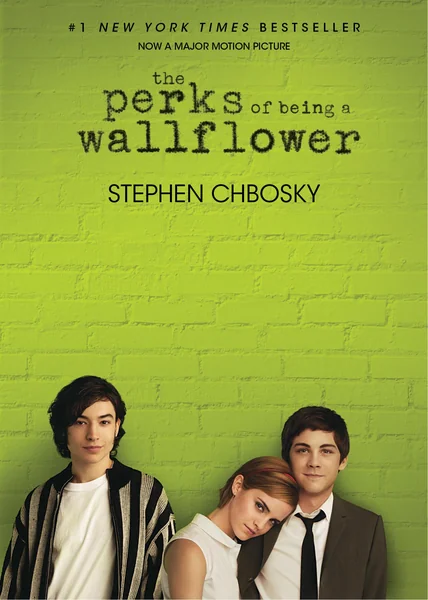
- Readers who enjoy Noah Can't Even's blend of awkward self-discovery, identity questions, and emotional honesty are well served by the curated titles alongside this review. Stephen Chbosky's The Perks of Being a Wallflower shares the outsider-protagonist, coming-of-age emotional core, though with a quieter and more introspective tone. Becky Albertalli's Simon vs. the Homo Sapiens Agenda is perhaps the closest companion read — a witty, warmhearted YA novel in which a teenager navigates questions of identity and friendship with humour and sincerity, much as Noah Grimes does. Benjamin Alire Sáenz's Aristotle and Dante Discover the Secrets of the Universe rounds out the set with its own deeply felt portrait of adolescent identity and unexpected connection.
- Who should read this?
- Noah Can't Even is squarely aimed at fans of high-energy, plot-driven British YA comedy — readers who want to laugh loudly at a very clever, very stupid protagonist working through something real. It rewards those comfortable with relentless forward momentum, escalating disasters, and comedy used as a lens for genuine adolescent difficulties like absent parents, shifting friendships, and questions of identity. It is not the book for readers seeking slow-burn introspection or deep secondary-character development.
- What age is it for?
- Best for ages 13 and up. Noah Can't Even is a YA novel whose humour and themes — identity, a same-sex kiss that upends the protagonist's world, absent parents, and an ailing grandparent — are calibrated for a confident teenage readership and older. The novel's relentless plotting and layered emotional content suit readers who can engage with both comedy and genuine adolescent difficulty simultaneously.
- About Simon James Green
- Simon James Green is a Young Adult author known for Noah Can't Even, a contemporary coming-of-age novel that follows a teenage boy navigating identity, relationships, and self-acceptance. The book showcases Green's ability to blend humour with heartfelt storytelling — a quality that has defined his reputation in YA fiction.
- What are the main themes?
- Beneath its comedic surface, Noah Can't Even engages seriously with identity, self-acceptance, and the complexity of teenage feeling. The strain of Noah's family secrets — his absent father and his gran's decline — weaves through the plot alongside his shifting relationship with Harry, giving the book genuine emotional stakes. Themes of belonging, friendship, and the difficulty of knowing who you are run throughout, and some readers have noted encountering thematic depth they weren't fully expecting from the breezy premise.
- What should I expect going in?
- As one reviewer put it, 'the blurb does not prepare you for the madness in this book.' Noah Can't Even is structured around escalating disaster — one thing after another, each worse than the last — and demands a reader ready for relentless forward momentum rather than quiet, contemplative pacing. The comedy is genuine and sharp, but so are the emotional undercurrents; the novel has more tonal range than its breezy premise implies, and readers should be ready to both laugh loudly and feel the occasional pang.
Summarize this book
Follow up
Synthesized from verified book data & published reviews · How we review
What would you like to know about Noah Can't Even?
Answers come from our editorial notes on this book. If we haven't covered something, we'll say so.
Readers often ask
Our Review
What the Book Is Actually About
Significance and Place in YA
What It Does Exceptionally Well
Themes Beneath the Comedy
Who This Book Is For (and Who Should Know What They're Getting)
Sources & Further Reading
The key facts and claims in this review are grounded in the retrieved, verified sources listed below.
- Cited in this review
- 1
- 2
johnthecaptainryan.blogspot.com
- Further reading
- 3
Simon James Green, Wikipedia
- 4
- 5
simonjamesgreen.com
Age & Reading Level
Recommended age
Ages 12–18
Reading level
Young adult
Heat level
No sex scenes · YA novel with no sexual content indicated; characters go from friends to boyfriends with no heat
Tropes
From how readers and romance sites describe it, not our own reading.
3 content notes · who it suits
Content to know about
Best for: Ages 13+ — YA-level reading demands and layered emotional content suit confident teen readers and up
Skip if you want slow-burn introspective character development rather than relentless plot-driven comedy
Reader reviews
Be one of the first readers to answer.
Read it? Was it right for you?
Books like Noah Can't Even
Curated picks for readers who enjoyed Noah Can't Even, with our reasoning for each match.
More by Simon James Green


If you liked Noah Can't Even