6 min read
Share This Review
Our review
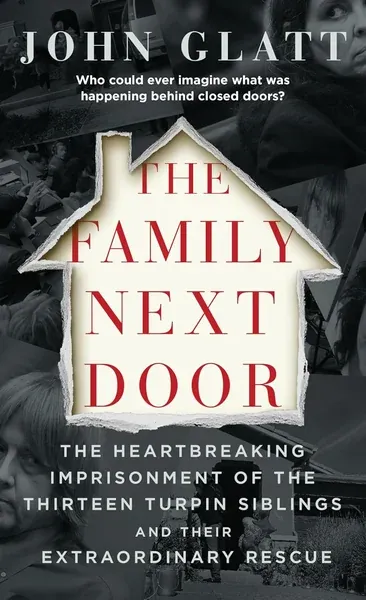
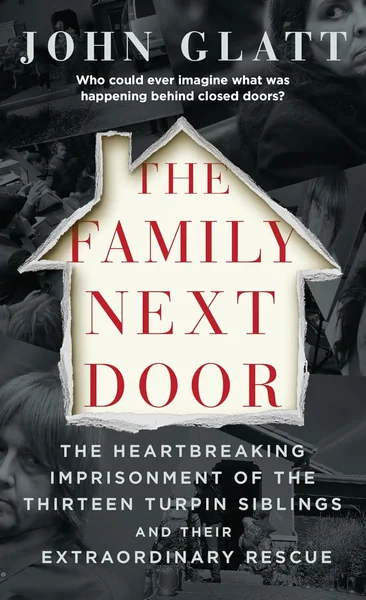
The Family Next Door
The Family Next Door by John Glatt Review: A Meticulous Chronicle of Systemic Abuse
John Glatt’s definitive account of the Turpin family case delivers a meticulous chronicle of systemic abuse. The book relies on rigorous documentation to reconstruct the parents' secret cruelty, making it essential for dedicated true crime readers who can handle its grim, unflinching tone.
LuvemBooks Verdict
Best for
True crime readers seeking a meticulously researched, clinical account of the Turpin family case that prioritizes factual chronology over psychological speculation.
Worth it if
Worth reading if you want a definitive, unflinching chronicle of how the parents maintained a public facade of normalcy while systematically abusing their children behind closed doors.
Skip if
Skip it if you prefer narratives that focus on psychological profiling, as the book's relentless focus on documented abuse and clinical tone may prove difficult to finish.
What readers & critics say
Critics and readers highlight the book's rigorous documentation and unflinching tone, with Kirkus Reviews noting its appeal to devoted fans despite finding it longer than necessary, while Publishers Weekly commends Glatt’s candid, unemotional prose style.
“devotees of true crime will be drawn to this narrative”
— Kirkus Reviews“Writing in a candid, unemotional prose style”
— Publishers WeeklyAsk LuvemBooks
Was this helpful?
- Is it worth reading?
- It is worth reading for dedicated true crime enthusiasts who want a definitive, unflinching chronicle of the case. The book’s methodical structure and detached style offer a grounded alternative to sensationalized storytelling, making it compelling for those interested in high-profile criminal matters. However, the constant emphasis on recorded cruelty and lack of emotional resolution may challenge some readers to finish it.
- Similar books
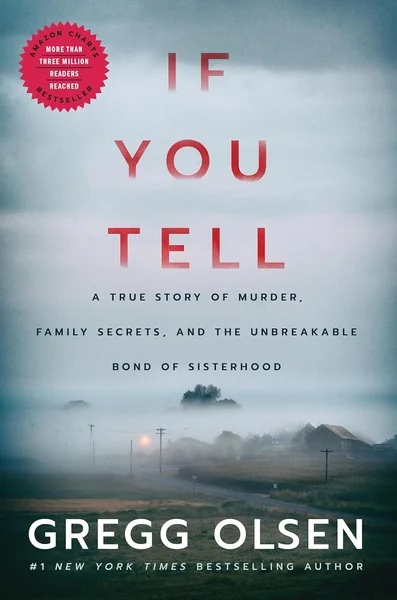
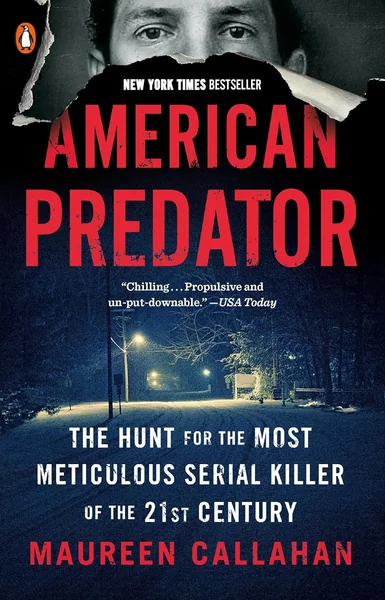
- Readers interested in this case may also want to explore Gregg Olsen’s If You Tell, which examines another family grappling with hidden abuse and public facades, or David Grann’s Killers of the Flower Moon for its meticulous reconstruction of systemic crimes masked by community trust. For those drawn to Maureen Callahan’s American Predator, the focus on meticulous documentation of real-world crimes and the mechanics of control will resonate similarly.
- Who should read this?
- This volume is best suited for readers seeking a meticulously researched, clinical account that prioritizes recorded events over mental analysis. It appeals to those interested in the intersection of organized cruelty, court matters, and the contrast between outward appearances and private reality. Readers who prefer lighter tones or speculative psychology may find the material too dense or detached.
- What age is it for?
- Best for adults 18+ due to graphic descriptions of child abuse, neglect, and systemic cruelty. The detached style and extensive legal documentation also assume a mature reading level and tolerance for grim subject matter. It is strictly intended for adult audiences due to the nature of the documented crimes and their impact.
- What are the main themes?
- The narrative centers on the stark contrast between curated public normalcy and private brutality, highlighting how organized cruelty can operate undetected for years. It explores the mechanics of psychological control, the failure of community and institutional oversight, and the weight of documented evidence in unraveling long-held secrets. The book also examines the tension between recorded events and the human desire for emotional resolution.
- How long does it take to read?
- The book is a substantial volume that typically requires around 10 to 12 hours to read at an average pace, depending on the reader's tolerance for the dense, chronological pacing. Audiobook listeners can expect a similarly lengthy experience, as the author methodically walks through official records. The steady, archive-based structure means the experience is more about sustained engagement than rapid consumption.
Summarize this book
Follow up
Synthesized from verified book data & published reviews · How we review
What would you like to know about The Family Next Door?
Answers come from our editorial notes on this book. If we haven't covered something, we'll say so.
Readers often ask
Our Review
We review the evidence: published reviews and reader verdicts, gathered and weighed with AI assistance and edited by LuvemBooks, rather than one reader's first-hand take.
The Premise and the Crime
Glatt’s Approach and Prose
Critical Reception and Strengths
Practical Limitations and Who It Is For
Is It Worth Reading?
Sources & Further Reading
The key facts and claims in this review are grounded in the retrieved, verified sources listed below.
- Cited in this review
- 1
- Further reading
- 2
criminalelement.com
- 3
- 4
- 5
us.macmillan.com
- 6
- 7
- 8
kirkusreviews.com
Age & Reading Level
Our age band
Adult
Our age band groups books for browsing; it isn't an age a review gave.
4 content notes · who it suits
Content to know about
Best for: Adults 18+ — graphic descriptions of child abuse, neglect, and systemic cruelty
Skip if you prefer true crime narratives that focus on psychological profiling or personal recovery
Reader reviews
No LuvemBooks readers have answered yet.
Read it? Was it right for you?
Books like The Family Next Door
Curated picks for readers who enjoyed The Family Next Door, with our reasoning for each match.
If you liked The Family Next Door