8 min read
4.4
· 6,034 Amazon ratings, as of Oct 2026Share This Review
Our review
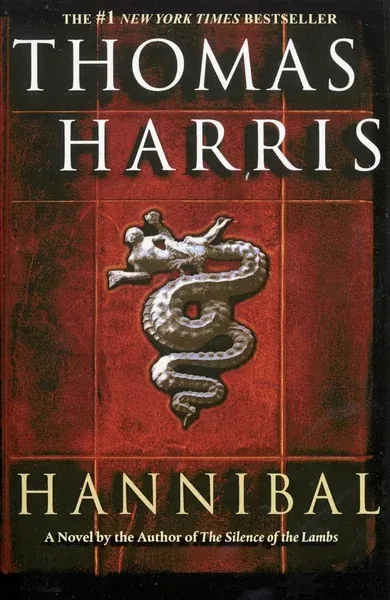
Hannibal
Hannibal by Thomas Harris Review: A Divisive, Baroque Thriller Sequel
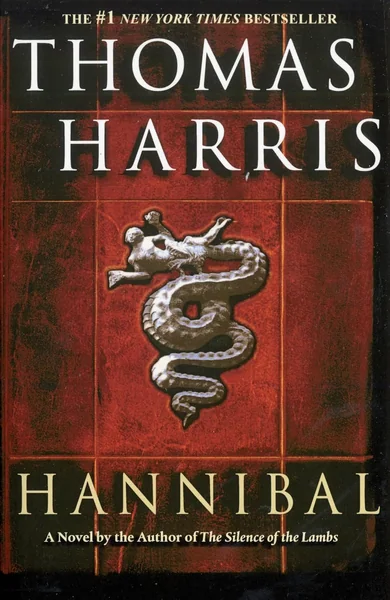
Hannibal is Thomas Harris's psychological horror crime thriller — the third novel in his Hannibal Lecter series — in which fugitive cannibal Dr. Hannibal Lecter and FBI agent Clarice Starling are reunited, while disfigured survivor Mason Verger plots a gruesome revenge. It arrives trailing massive commercial anticipation and fiercely divided critical opinion, making it one of the most contested entries in modern crime fiction.
LuvemBooks Verdict
Best for
Readers who are already invested in the Lecter trilogy and want to follow Thomas Harris into deliberately darker, more operatic territory — even when that means a deeply unsettling destination for Clarice Starling.
Worth it if
Worth reading if you are willing to meet Harris on his own strange terms, accepting that the novel's baroque ambition and controversial ending are inseparable from what makes it the most discussed entry in the series.
Skip if
Skip it if you come to it expecting a faithful continuation of Clarice Starling's character as established in The Silence of the Lambs, or if you have not read the earlier Lecter novels — the emotional stakes will not land without that foundation.
Where reviewers agree and split
Readers rate it 4.4 on Amazon. The reviews we read that discuss it in depth agree:
Both reviews we read that discuss its characters find Starling's arc gives deeper understanding.
Who says what
Characters
“We see the doctor take form slowly, advancing from a minor, almost incidental character in "Red Dragon" to a major player”
— nytimes.com · Trade reviewWhat readers & critics say
Audible's overview notes that critical reception was "mixed, with some praising it as a great melodrama and others criticizing the ending and portrayal of the characters," while Kirkus Reviews — though ultimately critical — acknowledged Harris's "baroque new approach to the genre is always provocative" and credited the epilogue as a genuinely challenging reframing of the saga.
Sources: Audible, Kirkus ReviewsAsk LuvemBooks
Was this helpful?
- Is it worth reading?
- Hannibal delivers on its ambition for readers willing to meet Harris on his own strange terms: the interlocking plot machinery of Verger's revenge scheme, Starling's institutional persecution, and Lecter's European fugitive life is elaborate and cinematic, and the novel carries enormous cultural weight as an eleven-years-in-the-making return for one of fiction's most iconic characters. The serious caveat is that the dissents are not minor — Martin Amis wrote that Harris had become a serial murderer of English sentences, and Charles de Lint's charge that Starling's arc is twisted out of character purely for shock value reflects a genuine critical divide, not a fringe opinion. Readers who prize Clarice Starling's integrity as established in The Silence of the Lambs, or who value clean, precise prose, are likely to share those reservations.
- Similar books
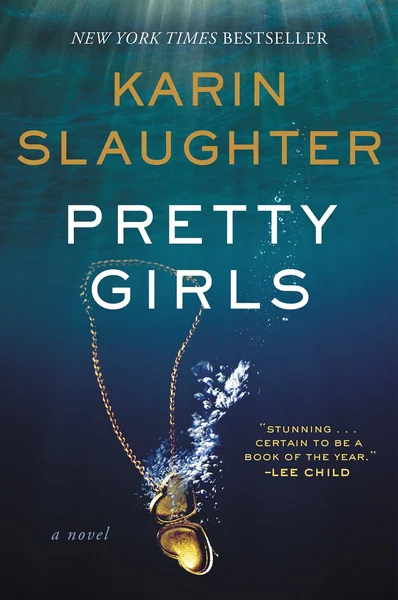
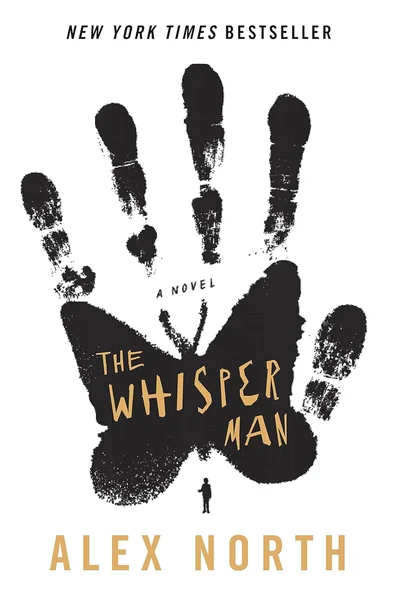
- Readers drawn to Hannibal's psychological menace and dark character studies may find similar ground in Pretty Girls by Karin Slaughter, a deeply disturbing thriller built around secrets, family trauma, and unflinching violence. For a slower-burn psychological thriller with a literary edge, The Whisper Man by Alex North offers an atmospheric, emotionally weighted story that shares the Lecter series' interest in the minds of killers and investigators alike. Thomas Harris fans who haven't explored his earlier work might also consider Hannibal Rising (Harris's prequel) or Black Sunday for a different register of his writing, though neither is currently in the LuvemBooks catalogue.
- Who should read this?
- Hannibal is best suited to readers already invested in the Lecter trilogy who want to follow Harris into deliberately darker, more operatic territory — even when that means a deeply unsettling destination for Clarice Starling. Readers primarily fascinated by Lecter as a character are better positioned than those who came to the series for Starling; the novel tilts its sympathy in ways that some will find provocative and others will find a miscalculation. It is not a book for thriller newcomers or for anyone without the emotional grounding of Red Dragon and The Silence of the Lambs.
- About Thomas Harris
- William Thomas Harris III is an American writer.
- Tell me about the adaptations
- Hannibal's plot has reached audiences through two major screen adaptations. Ridley Scott directed the 2001 film adaptation, a major Hollywood production reflecting the enormous commercial anticipation that surrounded the novel's 1999 publication — including a reported $10 million pre-publication sale to producer Dino de Laurentiis. The novel's plot also formed the backbone of the third season of NBC's television series Hannibal, demonstrating the durability of its material across more than two decades.
- What are the main themes?
- Hannibal is preoccupied with institutional corruption and the persecution of competence — Clarice Starling's career is dismantled not by her failures but by Paul Krendler's resentment and political maneuvering. Beneath that runs a darker theme about the limits of the serial-killer genre itself: some reviewers suggested Harris felt the form had grown so jaded that he was compelled to literalize the psychological horrors that Red Dragon and The Silence of the Lambs had kept implied. The novel also poses uncomfortable questions about sympathy and monstrousness, positioning Lecter in ways that some readers find provocative and others find a step too far.
Summarize this book
Follow up
Synthesized from verified book data & published reviews · How we review
What would you like to know about Hannibal?
Answers come from our editorial notes on this book. If we haven't covered something, we'll say so.
Readers often ask
Our Review
We review the evidence: published critics, reader verdicts and BookTube reviews, gathered and weighed with AI assistance and edited by LuvemBooks, rather than one reader's first-hand take.
What the Novel Actually Contains
Cultural Weight and Commercial Arrival
Where the Novel Succeeds
Where Critics Push Back
Who This Book Is For
Sources & Further Reading
The key facts and claims in this review are grounded in the retrieved, verified sources listed below.
- Cited in this review
- 1
kirkusreviews.com
- 2
en.wikipedia.org
- Further reading
- 3
Thomas Harris, LuvemBooks
- 4
nytimes.com
- 5
- 6
newbookrecommendation.com
- 7
Age & Reading Level
Recommended age
Adult
5 content notes · who it suits
Content to know about
Best for: Adults only — graphic violence, cannibalism, torture, and child sexual abuse in the backstory make this unsuitable for younger readers.
Skip if you expect a faithful continuation of Clarice Starling's character arc from The Silence of the Lambs, or prefer psychologically restrained thrillers over graphic, operatic horror.
Reader reviews
Be one of the first readers to answer.
Read it? Was it right for you?
Books like Hannibal
Curated picks for readers who enjoyed Hannibal, with our reasoning for each match.

More by Thomas Harris

If you liked Hannibal