Innerverse: Your Inner World Creates Your Daily Reality by Jason Hayward Review: A Concise Christian Self-Examination
Jason Hayward's Innerverse is a compact Christian non-fiction title arguing that the "Innerverse" — the depth of God within — shapes daily reality, explored through exegetical study of scripture. A focused, theology-first read best suited to devotional audiences.
LuvemBooks Verdict
Best for
Christian readers seeking a structured, scripture-first examination of spiritual identity and daily life, suited to personal devotional study or small-group discussion.
Worth it if
You already accept the Bible as your operative authority and want a compact, thesis-driven work that grounds the inner-world/outer-reality idea in exegesis rather than manifestation language.
Skip if
You are outside the Christian framework or expect narrative testimony, practical exercises, psychology-backed frameworks, or a general-audience self-help toolkit.
Skip if you want a secular self-help toolkit, psychology-backed habit frameworks, or interfaith spirituality — the approach presumes a reader who accepts the Bible as the operative authority.
In This Review
What Works & What Doesn't
What the Book Actually Argues
Format and Reading Experience
Where Its Strengths Lie
Where It Will Frustrate
Who It Is For
What Works & What Doesn't
What Works
Clear, upfront thesis: defines the 'Innerverse' as the depth of God within and states exactly what readers will learn
Grounds the inner-world/outer-reality idea in biblical exegesis rather than generic manifestation language
Compact scope at roughly 199 pages — a disciplined single-volume argument
Kindle edition supports screen readers, Word Wise, and enhanced typesetting for accessible reading
Well suited to personal devotional study or small-group discussion
What Doesn't
Exegetical, scripture-first approach presumes a Christian reader; little entry point for secular or interfaith audiences
Self-help-styled subtitle sets broader expectations than the theological instructional content delivers
Shares its title with unrelated podcasts and wellness brands, complicating search and discovery
A compact work of Christian non-fiction that promises an exegetical route to self-knowledge, Innerverse will satisfy devotional readers seeking scriptural grounding for personal transformation — and frustrate anyone expecting a conventional self-help program.
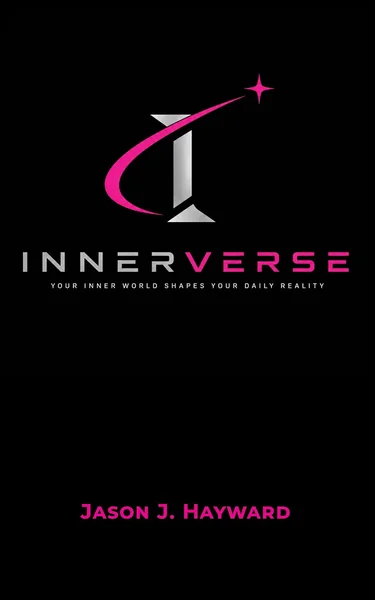
Innerverse: Your inner world creates your daily reality by Jason Hayward front cover
What the Book Actually Argues
Innerverse: Your inner world creates your daily reality, by Jason Hayward, is a work of Christian spiritual instruction rather than narrative or memoir. Its central coinage — the "Innerverse" — is defined in the book's description as "The Depth of God Within," and the entire project flows from that definition. The premise is that a reader's external, everyday life is shaped by the condition of this interior spiritual reality, and that understanding that interior world requires disciplined engagement with scripture.
“exegetical and biblical examination of the Word of God”
The method is explicit: the book promises that readers will use "exegetical and biblical examination of the Word of God" to understand their spiritual makeup and what it calls the supernatural sustenance of their lives. Its stated end goal is equally explicit — that by the final page, readers will understand what it truly means to be made in God's image and likeness. That through-line, from inner examination to a theology of the imago Dei, gives the book a clearer argumentative spine than the "inner world creates daily reality" tagline alone suggests. This is a book about identity in a theological sense first, and a self-improvement book second.
Format and Reading Experience
The book is a compact read: the print-length equivalent runs to roughly 199 pages, published in English as a Kindle edition with a listed publication date of August 11, 2026. On the technical side, the digital edition supports screen readers, Word Wise, Page Flip, and enhanced typesetting, which makes it accessible to readers who rely on those tools — a practical point in its favor for a devotional title likely to be revisited in short sittings.
The framing of the book's description is didactic and second-person throughout — "You will understand," "You will use" — which signals a guided, instructional register rather than a memoir-driven or anecdotal one. Readers who prefer their spiritual reading built around personal testimony or storytelling should calibrate expectations accordingly: the stated architecture here is examination and teaching, with the reader positioned as a student working toward a defined understanding.
Where Its Strengths Lie
The book's clearest strength is focus. Many titles straddling the spirituality/self-help line hedge their commitments; this one names its terms up front. A reader knows within the description exactly what the book believes, what method it uses, and what it claims the reader will take away. That directness is valuable in a crowded category.
Second, the subtitle's promise — that the inner world creates daily reality — is a genuinely cross-audience hook. The idea that interior states shape external experience has secular and sacred expressions alike, and anchoring that idea in biblical exegesis gives Christian readers a version of it that speaks their language rather than borrowing the vocabulary of manifestation culture. For its intended audience, that synthesis of devotional theology and practical self-concept is the book's reason to exist.
Finally, at under 200 pages, the scope is disciplined. A focused argument about spiritual identity, made in a single compact volume, is more inviting than the sprawling, padded volumes the inspirational market often produces.
Where It Will Frustrate
The book's defining commitment is also its ceiling. An exegetical, scripture-examination approach presumes a reader who already accepts the Bible as the operative authority; readers looking for psychology-backed habit frameworks, secular mindfulness, or interfaith spirituality will find little entry point here. The self-help-flavored subtitle sets a broader expectation than the theological content described is built to serve.
There is also a discoverability wrinkle worth flagging for buyers: "Innerverse" is a term in use by unrelated properties, including a long-running podcast on consciousness and alternative health and various wellness brands. Search results for the title mingle these, so prospective readers should confirm they have Jason Hayward's book — ASIN B0HDSDJ84C — rather than an unrelated product sharing the name.
Who It Is For
Innerverse is for Christian readers who want a structured, scripture-first examination of identity and daily life, and who respond to direct instructional framing. It suits personal devotional study and would fit naturally into small-group or study contexts where a short, thesis-driven text is an asset. Readers outside that faith framework, or those expecting narrative testimony, practical exercises, or a general-audience self-help toolkit, should look elsewhere — the book makes no claim to be those things, and its honesty about its own scope is, in the end, one of its better qualities.
Reader Comments
0
No comments yet
Be the first to share your thoughts!
Frequently Asked Questions
Who is Innerverse by Jason Hayward actually written for?
The review identifies the book's core audience as Christian readers who want a structured, scripture-first examination of identity and daily life and who respond to direct instructional framing. LuvemBooks notes it suits personal devotional study and would fit naturally into small-group or study contexts where a short, thesis-driven text is an asset. Readers outside that faith framework are advised to look elsewhere.
Is Innerverse a self-help book or a Christian devotional?
The review is clear that Innerverse is a work of Christian spiritual instruction rather than a conventional self-help program. LuvemBooks describes it as a book about identity in a theological sense first, and a self-improvement book second, cautioning that the self-help-flavored subtitle sets a broader expectation than the theological content is built to serve.
What does the term Innerverse mean in the book?
According to the review, the book's central coinage — the Innerverse — is defined in its own description as The Depth of God Within. The entire project flows from that definition, with the premise that a reader's external, everyday life is shaped by the condition of this interior spiritual reality.
What is the central argument or thesis of Innerverse?
The book argues that understanding one's interior spiritual world requires disciplined engagement with scripture, and that this inner examination leads to a theology of the imago Dei — what it truly means to be made in God's image and likeness. LuvemBooks notes this through-line gives the book a clearer argumentative spine than the tagline alone suggests.
What method does Jason Hayward use to make his argument?
The review explains that the book's stated method is exegetical and biblical examination of the Word of God. This approach presumes a reader who already accepts the Bible as the operative authority, which LuvemBooks identifies as both the book's defining commitment and its ceiling for broader audiences.
How long is Innerverse and is the length appropriate for the subject?
The print-length equivalent runs to roughly 199 pages, and the review views this scope as a genuine strength. LuvemBooks argues that a focused argument about spiritual identity made in a single compact volume is more inviting than the sprawling, padded volumes the inspirational market often produces.
What is the writing style and tone of Innerverse?
The review describes the book's framing as didactic and second-person throughout, with phrasing like You will understand and You will use, signaling a guided, instructional register. LuvemBooks notes this means readers who prefer spiritual reading built around personal testimony or storytelling should calibrate their expectations accordingly.
Does Innerverse include personal stories or narrative testimony?
According to the review, the stated architecture of the book is examination and teaching, with the reader positioned as a student working toward a defined understanding. LuvemBooks explicitly flags that the book is not memoir-driven or anecdotal, and readers who prefer that style should look elsewhere.
What are the biggest strengths of Innerverse?
The review identifies three main strengths: the book's focus and directness in naming its terms up front, its synthesis of devotional theology and the practical idea that interior states shape external experience, and its disciplined scope at under 200 pages. LuvemBooks notes that this directness is valuable in a crowded spirituality and self-help category.
What are the main limitations or frustrations of Innerverse?
The review's primary caveat is that the exegetical approach presumes a reader who already accepts the Bible as authoritative, leaving little entry point for those seeking psychology-backed frameworks, secular mindfulness, or interfaith spirituality. LuvemBooks also flags that the self-help-flavored subtitle raises expectations the theological content is not designed to meet.
Sources & Further Reading
The key facts and claims in this review are grounded in the retrieved, verified sources listed below.


Reader Comments
No comments yet
Be the first to share your thoughts!