7 min read
4.0
· 291 Amazon ratingsShare This Review
Our review
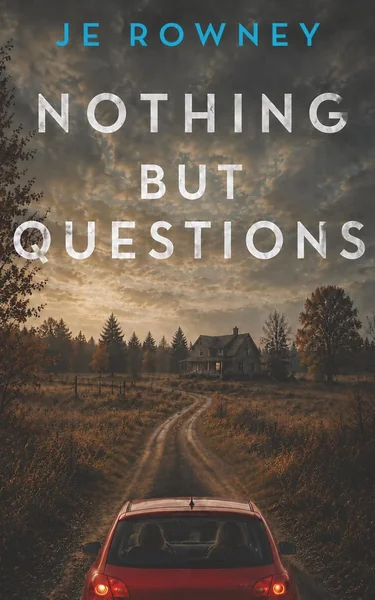
Nothing But Questions by J.E. Rowney
Nothing But Questions by J.E. Rowney Review: A Slow-Burn Thriller of Grief and Sisterhood
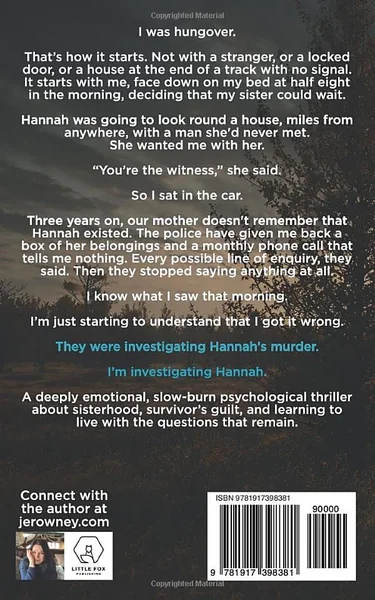
Nothing But Questions is a psychological thriller by J.E. Rowney in which a woman investigates the life — and murder — of her sister Hannah after police inquiries go cold. Built around survivor's guilt and the bond between sisters, it is a standalone novel designed for readers who want emotional depth alongside suspense.
LuvemBooks Verdict
Best for
Readers drawn to emotionally driven psychological thrillers centred on female relationships and grief that refuses to resolve neatly, who want an investigation that is as much a portrait of the victim as it is a hunt for the truth.
Worth it if
Worth reading if you want a slow-burn thriller that foregrounds survivor's guilt and sisterhood, using the crime as a lens to examine what we get wrong about the people closest to us.
Skip if
Skip it if you want fast-paced plotting, procedural detail, or a puzzle-box mystery built around incident and shock revelations.
What readers & critics say
Bookshop.org's listing describes the novel as "a deeply emotional, slow-burn psychological thriller about sisterhood, survivor's guilt, and learning to live with the questions that remain," framing it squarely as a character-driven rather than plot-driven work. No independent critical reviews from major outlets were retrievable from the sources returned.
Sources: Bookshop.orgAsk LuvemBooks
Was this helpful?
- Is it worth reading?
- For readers drawn to emotionally driven psychological thrillers — particularly those centred on female relationships and grief that refuses to resolve tidily — Nothing But Questions offers a genuinely distinctive premise. Survivor's guilt is rarely the explicit subject of psychological thrillers; here it is foregrounded, shaped by the narrator's own choice the morning Hannah died. The key caveat is pacing: the book is explicitly slow-burn, and those who prefer fast-moving incident or procedural detail are the audience this book is not built for.
- Similar books
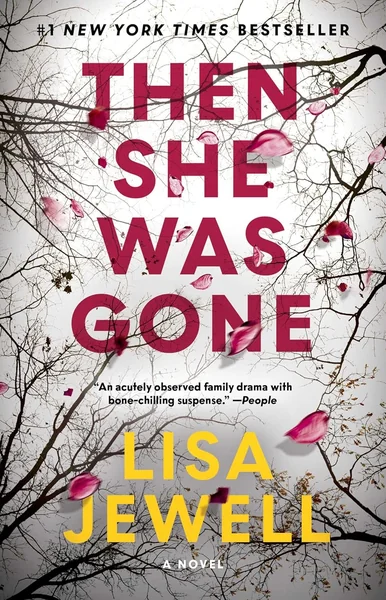
- Readers who connect with Nothing But Questions's focus on a sister's disappearance and the grief left behind will find strong companion reads in the curated titles below. Lisa Jewell's Then She Was Gone shares the emotionally driven investigation into a missing woman and the family fractured in her absence. For a similar sisterhood-centred mystery, Rosamund Lupton's Sister and Robert Dugoni's My Sister's Grave both follow protagonists investigating a sister's death when official inquiries fall short. Diane Chamberlain's The Silent Sister and Freida McFadden's The Housemaid round out the psychological thriller shelf for readers who want female-centred suspense with emotional depth.
- Who should read this?
- Nothing But Questions is built for readers who want emotional depth alongside suspense — specifically those drawn to female relationships, grief that refuses easy resolution, and the psychological question of what we actually know about the people closest to us. It will resonate most with fans of literary-leaning psychological thrillers who are comfortable with deliberate, accumulative pacing. Readers who prefer fast-moving incident, procedural detail, or puzzle-box plotting should approach with caution.
- About J.E. Rowney
- J.E. Rowney is a female author known for her psychological and survival thrillers, which explore the hidden secrets of ordinary lives. Her works, including Gaslight, have earned her a following for gripping, page-turning storytelling. She can be found at jerowney.com and on social media as @jerowneywriter, and as @jerowney on TikTok.
- What editions are available?
- Nothing But Questions is available in paperback, hardback, large print, and Kindle ebook. The large print edition is set in 16pt type and carries the same text as the standard edition — a practical option for visually impaired readers or those who prefer larger type. A collectible sprayed-edge edition, in which the page edges are printed in a custom design, is sold exclusively through J.E. Rowney's own website and is not available in shops or on Amazon. The ebook is exclusive to Amazon Kindle and is free with Kindle Unlimited, which limits access for readers on other e-reading platforms.
- How does this compare to Where No One Can Hear You?
- LuvemBooks has reviewed both Nothing But Questions and Where No One Can Hear You by J.E. Rowney, and both sit within her established mode of psychological and survival thrillers that probe the hidden secrets of ordinary lives. Nothing But Questions distinguishes itself through its foregrounded focus on sisterhood and survivor's guilt, and its explicitly character-study approach — the narrator's investigation pivots from the crime outward to the person. Readers drawn to the emotional interior of J.E. Rowney's work will find that emphasis more pronounced here than in a plot-driven survival thriller.
Summarize this book
Follow up
Synthesized from verified book data & published reviews · How we review
Press Enter to ask. Answers come from our editorial Q&A — start typing to see related questions.
Our Review
What the Book Is and What It Does
The Emotional Core: Survivor's Guilt and Sisterhood
Pacing and Structure: The Slow-Burn Design
Format and Availability
Who It Is For
Sources & Further Reading
The key facts and claims in this review are grounded in the retrieved, verified sources listed below.
- 1
jerowney.com
- 2
fantasticfiction.com
- 3
Age & Reading Level
Recommended age
Adult
Reading level
Adult
Tropes
From how readers and romance sites describe it, not our own reading.
2 content notes · who it suits
Content to know about
Skip if you want fast-paced procedural action or a puzzle-box mystery with rapid twists.
Reader reviews
Be one of the first readers to answer.
Read it? Was it right for you?
Books like Nothing But Questions
Curated picks for readers who enjoyed Nothing But Questions, with our reasoning for each match.
If you liked Nothing But Questions