Agatha Christie's mystery strands ten guests on a Devon island where they die according to a nursery rhyme. Reviewers praise its suspense and plotting; one finds the premise contrived and the craft overrated.
Readers who want a standalone closed-circle puzzle with no series detective, where paranoia among the stranded guests drives the tension and the fun is guessing who and how.
Worth it if
Worth reading if you enjoy a tightly constructed whodunit where clues look unimportant until the reveal, and you can accept a contrived setup in exchange for suspense and an original plot.
Skip if
Skip it if you need strict realism or a charismatic detective to follow: one reviewer finds the premise implausible and the amateur sleuths a step down, and another felt several steps ahead of the characters.
What readers & critics say
Kirkus Reviews called it 'grand suspense, a unique trick, expertly handled,' and some reviewers praised the suspense that grows once the guests suspect each other. Kara Reviews is the clearest dissenter, calling its technical achievement overrated and its premise unrealistic while granting the suspense.
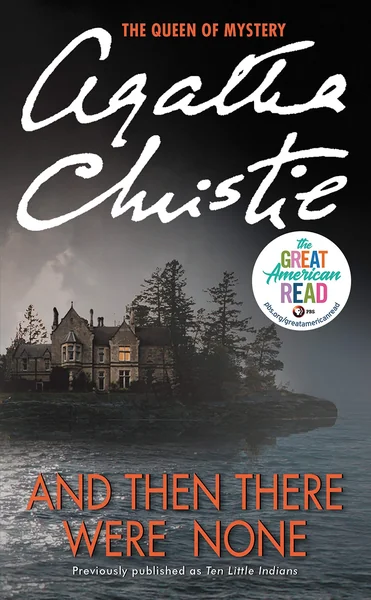
And Then There Were None strands ten guests, each accused of a past crime, on a Devon island where they die by the lines of a nursery rhyme. Reviewers largely praise the suspense, but the contrived setup and the absence of a series detective divide opinion. It is a puzzle-first, standalone closed-circle mystery best suited to readers who value plotting over realism.
Is it worth reading?
For most readers of classic mystery, yes: the plotting is its main draw, with clues that look trivial until the reveal. The caveat is that reviewers disagree on the craft. The Montclarion's reviewer found the construction brilliant, while Kara Reviews considers it overrated and finds the premise strained, so expectations about plausibility matter.
Similar books
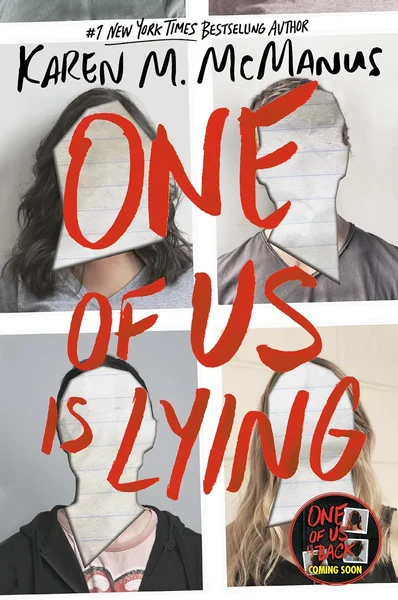
The closest match on the shelves is Christie's own Murder on the Orient Express, another closed-circle puzzle, though it brings back a detective. The Guest List by Lucy Foley updates the isolated-gathering formula with modern suspects, while Magpie Murders by Anthony Horowitz layers a classic puzzle into a story-within-a-story. For a younger audience, One of Us Is Lying by Karen M. McManus swaps the island for a high-school detention room, and Ellen Raskin's The Westing Game offers a playful puzzle for middle-grade readers.
Who should read this?
Readers who want a standalone puzzle with no series baggage and who enjoy watching paranoia build among stranded suspects. It also suits newcomers to Christie, since no prior knowledge is needed. Those who prize a charismatic detective may side with the dissenting reviewer.
About Agatha Christie
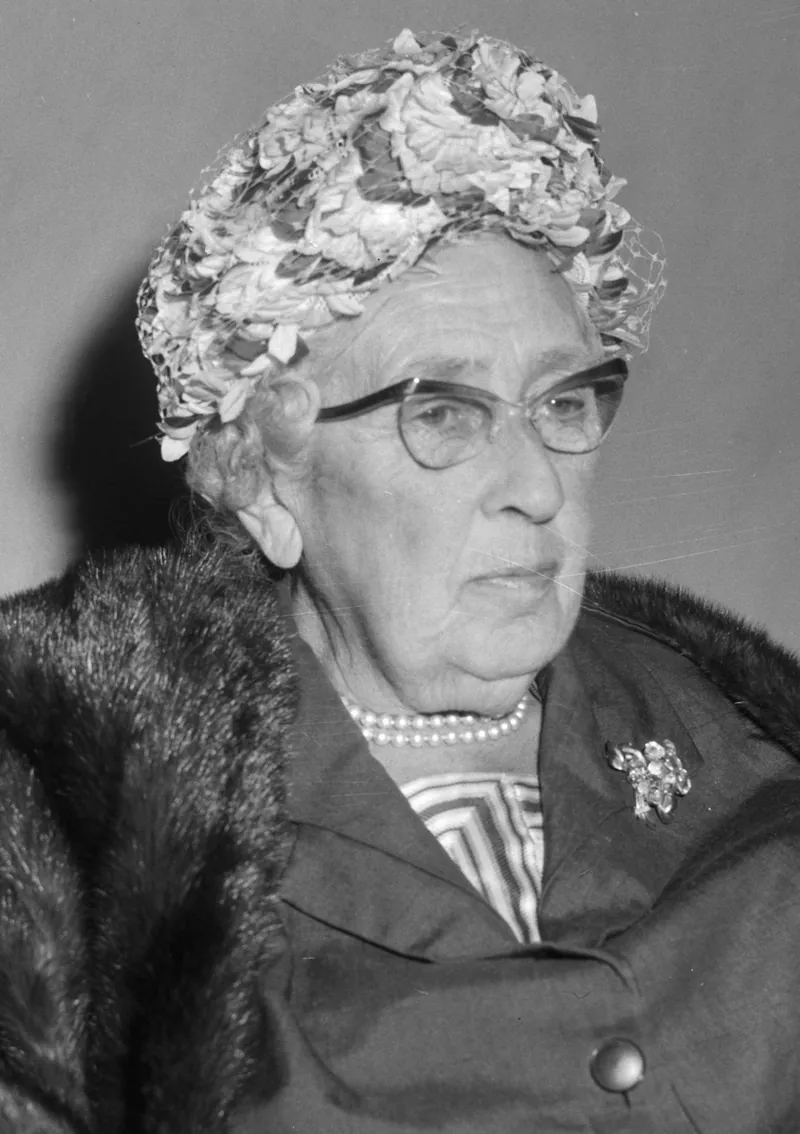
Dame Agatha Mary Clarissa Mallowan, Lady Mallowan, usually known by her first married name, Agatha Christie, was an English author.
Why do some editions have different titles and rhymes?
The novel was first published in the UK in 1939 under a racist title drawn from an 1869 minstrel song, and the rhyme at its core carried similar language. The first American edition in 1940 used the current title, and later editions revised the text and rhyme. Kara Reviews flags the original title and the rhyme as racist, so check which edition you are buying.
How does it compare to other Christie novels?
It differs from the Poirot books in having no detective at all, which Kara Reviews counts against it, while others see that as the point. She rates Christie's plotting here below The Murder of Roger Ackroyd. Christie herself reportedly regarded it as her best-crafted work and the hardest to write.
Summarize this book
Is it worth reading?
Who should read this?
About Agatha Christie
Why do some editions have different titles and rhymes?
How does it compare to other Christie novels?
Summarize this book
Ten strangers, among them the retired judge Mr. Justice Wargrave and Dr. Armstrong, are lured to Soldier Island off the Devon coast. A script framed in every room is enacted as the guests are killed one by one. With no detective and no way off the island, suspicion turns inward as the survivors try to work out what is happening.
Follow up
Does this summary spoil the ending?
Is it a long read?
Synthesized from verified book data & published reviews · How we review
Ask LuvemBooks
What would you like to know about And Then There Were None?
Answers come from our editorial notes on this book. If we haven't covered something, we'll say so.
Readers often ask
Our Review
We review the evidence: published critics, reader verdicts and BookTube reviews, gathered and weighed with AI assistance and edited by LuvemBooks, rather than one reader's first-hand take.
A tightly built, atmospheric mystery whose fame rests on a famously ingenious plot, though at least one reviewer finds its craft overrated.
What Happens on the Island
Eight guests are invited to a small, isolated island off the Devon coast. The butler and housekeeper, Thomas and Ethel Rogers, explain that their hosts, Mr and Mrs U.N. Owen, have not yet arrived, and a framed copy of an old rhyme hangs in every guest's room.
Ten people in all, each accused of a past crime, are then killed one by one according to the lines of that rhyme. Among them are the retired judge Mr. Justice Wargrave and the practising Dr. Armstrong, with Tony Marston, Mr. Blore and the Rogerses rounding out the cast.
There is no detective on the scene, and no one can leave.
Why It Matters
Britannica calls it one of the best-selling novels of all time and says it played a key role in shaping the crime and mystery genres. Wikipedia records more than 100 million copies sold by 2007, a 2015 global vote that named it the World's Favourite Christie, and more adaptations than any other Christie work.
Critics praised the ingenuity of its plot on first publication, per Wikipedia, and the Crime Writers' Association (1990) and Mystery Writers of America (1995) both placed it high on lists of the best crime novels. Christie said it was the hardest of her novels to write, and she regarded it as better craftsmanship than anything else she had written.
BookBrowse's reviewer, Alicia Calvo Hernández, places it in the Golden Age of Detective Fiction and calls it "perhaps one of Christie's best works." The same review notes that it does not feature Poirot or Miss Marple.
Mara from bookslikewhoa reviews And Then There Were None
Mara delivers an in-depth, spoiler-free review of Agatha Christie's mystery novel And Then There Were None.
Their views, not ours. The points are our AI summary of what they say, each playing from where they say it.
Psychological study of guilt and evil
Mara highlights how the book explores the effects of guilt and terror on the human mind as the characters slowly unravel under escalating paranoia.
Dated racism and offensive original titles
Mara addresses the problematic history of the novel's original titles and discusses the casual racism and xenophobia of the era reflected in certain characters.
Juxtaposition of setting and modern architecture
Mara examines the contrast between the primal, isolated island landscape and the stark, sterile modern house, noting how it heightens the eerie atmosphere.
Propulsive pacing and ratcheting suspense
Mara praises the novel's accelerating tempo and claustrophobic tension, which make it nearly impossible to put down once started.
Where Reviewers Find It Strongest
Luke Harkness, writing on his own site, praised the suspense, saying it starts out slower but becomes a fascinating game of mutual distrust once the guests realise the killer is among them. He also liked that the killings happen off the page, which keeps readers working out who and how.
The reviewer at Vocal singled out the setting, saying Soldier Island and its ominous mansion heighten the sense of isolation. That reviewer also credited the nursery rhyme with building a sense of inevitability and described the pacing as expertly managed, with misdirection and red herrings.
The Montclarion's student reviewer found the construction brilliant, with clues that seem unimportant until the end, and called the reveal satisfying and worth the wait. The book is a closed circle: no one can leave or enter, which is a different thing from an impossible-crime puzzle.
Where It Draws Dissent
Kara Reviews is the clearest dissenter. She does not call it a bad mystery, but says Christie's technical achievement is overrated next to The Murder of Roger Ackroyd, and that the premise is mind-boggling in its unreality.
She also misses a Poirot-style detective, saying the amateur sleuths feel like a step down, and concludes that as a Christie mystery it leaves much to be desired. Her complaint is about plausibility and detective interest rather than pace, and she still grants the suspense and original plot.
The Montclarion reviewer felt several steps ahead of the characters, though she allowed that this may reflect familiarity with the trope, and found some characters stubborn.
The Title History and Who It Suits
The novel was first published in the UK in 1939 under a racist title taken from an 1869 minstrel song; the first American edition, in 1940, used the current title. Later editions revised the text and rhyme, and Kara Reviews flags the original title and the rhyme the book is built around as racist.
It is a standalone, so it works as an entry point to Christie. Readers who want a puzzle without a series detective, a closed-circle setup and steadily rising paranoia are the natural audience; those who prize a charismatic sleuth or strict realism may side with the dissenters.
Sources & Further Reading
The key facts and claims in this review are grounded in the retrieved, verified sources listed below.