

3 min read
4.5
· 21 Amazon ratingsShare This Review
The Wrench by Primo Levi Review: A Joyful Ode to Work and Storytelling
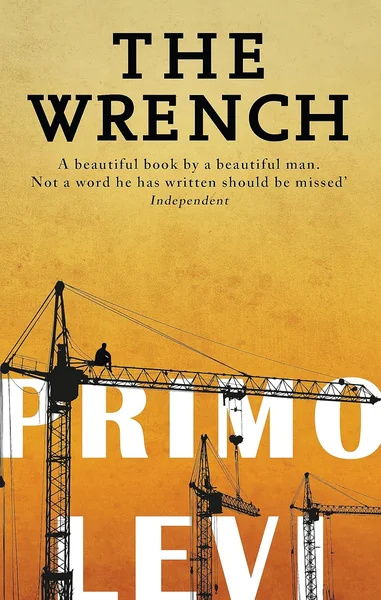
The Wrench (published in the U.S. As The Monkey's Wrench) is Primo Levi's most light-hearted novel — a celebration of skilled labour, human ingenuity, and the art of the tale, told through the unlikely friendship of a globe-trotting rigger and a chemist narrator. First published in Italian as La Chiave a Stella in 1978, it stands as a warmly comic departure from Levi's better-known Holocaust testimony, and remains one of his most distinctive and underappreciated works.
LuvemBooks Verdict
Best for
Readers drawn to literary fiction that takes skilled work seriously as a subject in its own right — particularly those already in Levi's orbit who want to encounter him at his most humorous and life-affirming, away from the shadow of Auschwitz.
Worth it if
You're willing to follow an episodic, anecdote-led structure in which the pleasures of craft, competence, and storytelling are the entire point — rather than a conventional plot.
Skip if
You come to Levi specifically for moral gravity and searching complexity; the novel's sustained warmth and optimism about industrial labour may feel one-note if that is what you are looking for.
What readers & critics say
Wikipedia's entry on the novel notes that commentators broadly agree it is the happiest and most humorous of Levi's works. The Independent, reviewing a reissue, describes it as having "acquired the reputation of being something of an oddity in Levi's oeuvre, especially given its more life-affirming properties," while acknowledging "real beauty in the moments of revelation."
“The stories have an honesty and humility that appeal to the chemist, who sees himself and chemists in general as riggers as well — admittedly bad ones.”
— Kirkus ReviewsIn This Review
- What Works & What Doesn't
- What the Book Actually Is
- Levi's Place in His Own Canon
- The Semi-Autobiographical Texture
- Reception and Genuine Tensions
- Who This Book Is For
What Works & What Doesn't
What Works
- Widely regarded as Primo Levi's most joyful and humorous work, offering a genuinely distinct experience within his canon
- Its semi-autobiographical grounding — including real incidents from Levi's time at the chemical firm SIVA — gives the industrial episodes unusual specificity and authority
- The episodic, linked-story structure makes it highly readable while still building a coherent portrait of its central character, Libertino Faussone
- Engages seriously and affectionately with skilled manual and technical labour as a subject, a rare quality in literary fiction
What Doesn't
- Its tone of sustained warmth and optimism about industrial work drew sharp criticism from Italian leftist critics at the time of publication, and readers seeking Levi's more morally searching register may find the novel's brightness one-note
- The episodic, anecdote-driven format — Faussone narrating tale after tale — means the book offers little in the way of conventional dramatic tension or plot arc
What the Book Actually Is
Levi's Place in His Own Canon
The Semi-Autobiographical Texture
Reception and Genuine Tensions
Who This Book Is For
Frequently Asked Questions
Sources & Further Reading
The key facts and claims in this review are grounded in the retrieved, verified sources listed below.
- 1
Primo Levi, Wikipedia
Related Reviews
Reviews of books we picked for readers who enjoyed The Wrench.

Reader Comments
No comments yet
Be the first to share your thoughts!