At a glance
About the Author
Paul Yoon1 book reviewed
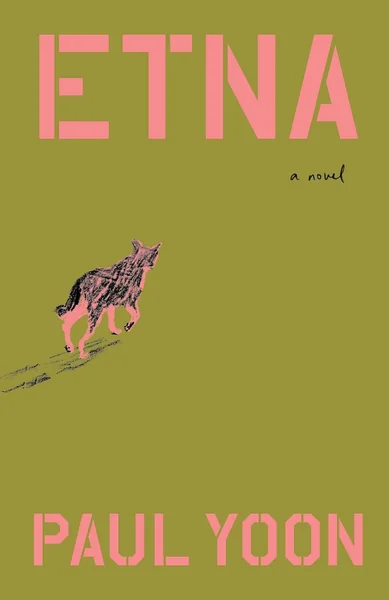
Etna
A Novel
by Paul Yoon
LuvemBooks Verdict
Best for: Readers of literary war fiction who trust Yoon's restrained, elegiac register — especially those who responded to Snow Hunters or Run Me to Earth — and book clubs drawn to a fable-inflected odyssey about home, loss, and trust, told through a canine veteran's eyes.
Worth it? Skip it? Read the full verdict →Ask LuvemBooks
Was this helpful?
- Is it worth reading?
- For the right reader, emphatically yes. Early critical reception is unusually strong: starred reviews from Booklist, Library Journal, and Shelf Awareness, praise from the New York Times (whose reviewer admitted to weeping freely by the close of the first part), and Time calling it 'hypnotic.' Critics converge on Yoon's refusal of schmaltz — the hopeful ending is earned rather than imposed. The caveat is real, though: the animal-narrator premise, the unnamed conflict, and the heavy grief won't work for everyone.
- Similar books
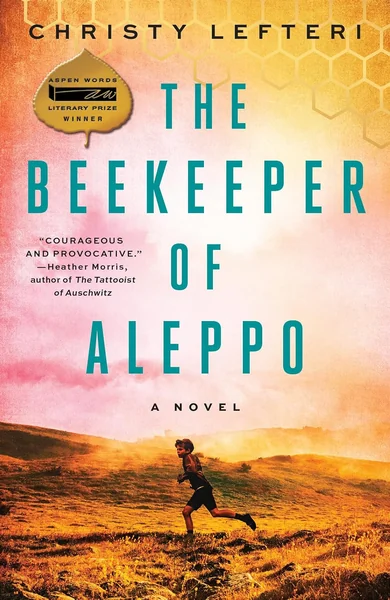
- Readers who respond to Yoon's register should start with his own earlier novels of conflict and displacement, Run Me to Earth and Snow Hunters, which Etna extends into bolder, fable-like territory. For animal-perspective fiction with teeth, Richard Adams' The Plague Dogs is the darker classic, while Garth Stein's The Art of Racing in the Rain and Shelby Van Pelt's Remarkably Bright Creatures offer warmer animal narration. For the refugee-aftermath dimension, Christy Lefteri's The Beekeeper of Aleppo pairs well with Etna's unnamed-war universality.
- Who should read this?
- Etna is for readers of literary fiction who trust Paul Yoon's restrained, elegiac register — those who responded to Run Me to Earth or Snow Hunters will find the same preoccupations in a bolder form. It also suits anyone drawn to war fiction approached from an oblique, fable-inflected angle. Readers who need conventional realism, a named conflict, or a light emotional load are better served elsewhere.
- Is it a good book club pick?
- Yes — it's a natural fit. Scribner provides a publisher reading guide that connects Etna to Yoon's earlier novels and to John Berger's King, giving groups ready-made threads on home, loss, trust, and the ethics of telling war through an animal's eyes. At 208 pages it's an accessible commitment, and the unnamed-war choice alone will fuel debate about universality versus specificity.
- Does Etna have a hopeful ending?
- Hopeful, but earned rather than imposed — and the path there runs through wreckage and ubiquitous loss. Per the publisher's quoted reviews, Yoon sidesteps the sentimentality of typical animal stories, resting his ending on the idea that endurance and new life are possible even in ruins, if one can accept what has occurred and move forward. Readers should expect to grieve before they hope: the New York Times' reviewer wept freely by the close of the first part.
- Where should I start with Paul Yoon?
- Start with Snow Hunters or Run Me to Earth, the novels that established Yoon's signature interest in the aftermath of conflict and displacement — Run Me to Earth in particular shares Etna's elegiac register most directly. Etna then reads as the boldest extension of that through-line, pushing it into fable territory with its canine veteran narrator. His earlier collection The Hive and the Honey rounds out the same thematic territory for readers who want more.
Summarize this book
Follow up
Synthesized from verified book data & published reviews · How we review
Press Enter to ask. Answers come from our editorial Q&A — start typing to see related questions.
Age & Reading Level
Recommended age
Adult
Reading level
Adult
4 content notes · who it suits
Content to know about
Best for: Adults — wartime violence, killing, and pervasive grief rendered in a restrained literary register
Skip if you want a conventional heartwarming dog story, a named historical conflict, or a light emotional load.
Editorial Review
Etna, Paul Yoon's novel from Scribner, follows an ex-military dog crossing a war-torn, unnamed country in search of the coastal farm he calls home. Critical coverage found it devastating and gorgeous; readers averse to animal narrators or heavy grief should know what they're in for.
Read the Full ReviewBooks like Etna
Curated picks for readers who enjoyed Etna, with our reasoning for each match.